
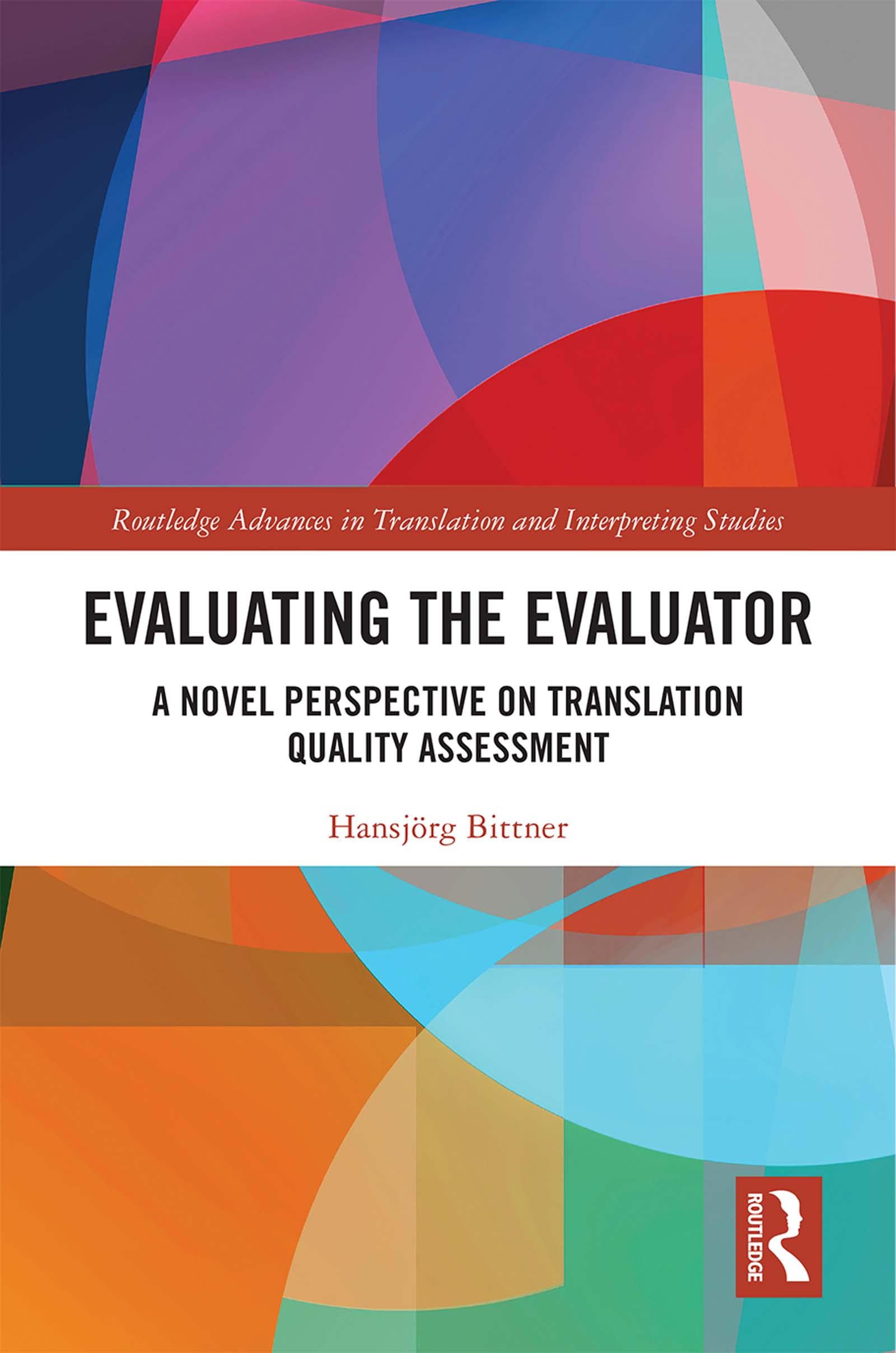
This book offers a theoretical framework for assessing translation quality grounded in supportive argumentation. The volume outlines a systematic framework for translators and translation critics to substantiate their decisions and judgments on a translation’s quality and in the case of negative criticism, put forward a more effective translation solution. The book traces the decision-making process underpinning translation practice, considering the different factors surrounding a particular translation to inform the most appropriate translation strategy, such as the temporal and geographical relationship between source and target texts, special provisions required by clients, timeframe, qualifications, and sociocultural and political issues. The framework posits that such factors should underpin any arguments used by the translator in adopting a given strategy and in turn, that any criticism of a translation’s quality must be in line with the same argumentative structure. Applied to a corpus of translation examiners’ reports of translation, the book demonstrates how this framework can act as a tool to be scaled to fit the needs of the different actors of a translation – translators, critics, and scholars. This book will be of interest to scholars in translation studies and practicing translators.
Betaal eenvoudig met kaart, Klarna, Apple Pay of Google Pay. Niet tevreden? Je hebt altijd 14 dagen bedenktijd. Lees meer in onze voorwaarden. Heb je vragen, mail ons dan via hello@memmo.org.
Memmo maakt studeren makkelijker – waar je ook bent ter wereld. Wij brengen je cursusboeken en slimme studietools samen op één plek: samenvattingen, quizzen, podcasts en flashcards. En Ted, je studievriend die antwoord geeft op alles wat je je afvraagt. Meer dan 50.000 studenten studeren hier al – gebouwd om je sneller te laten leren en minder stress te geven.
Misschien vind je dit ook leuk
Koop het boek0