
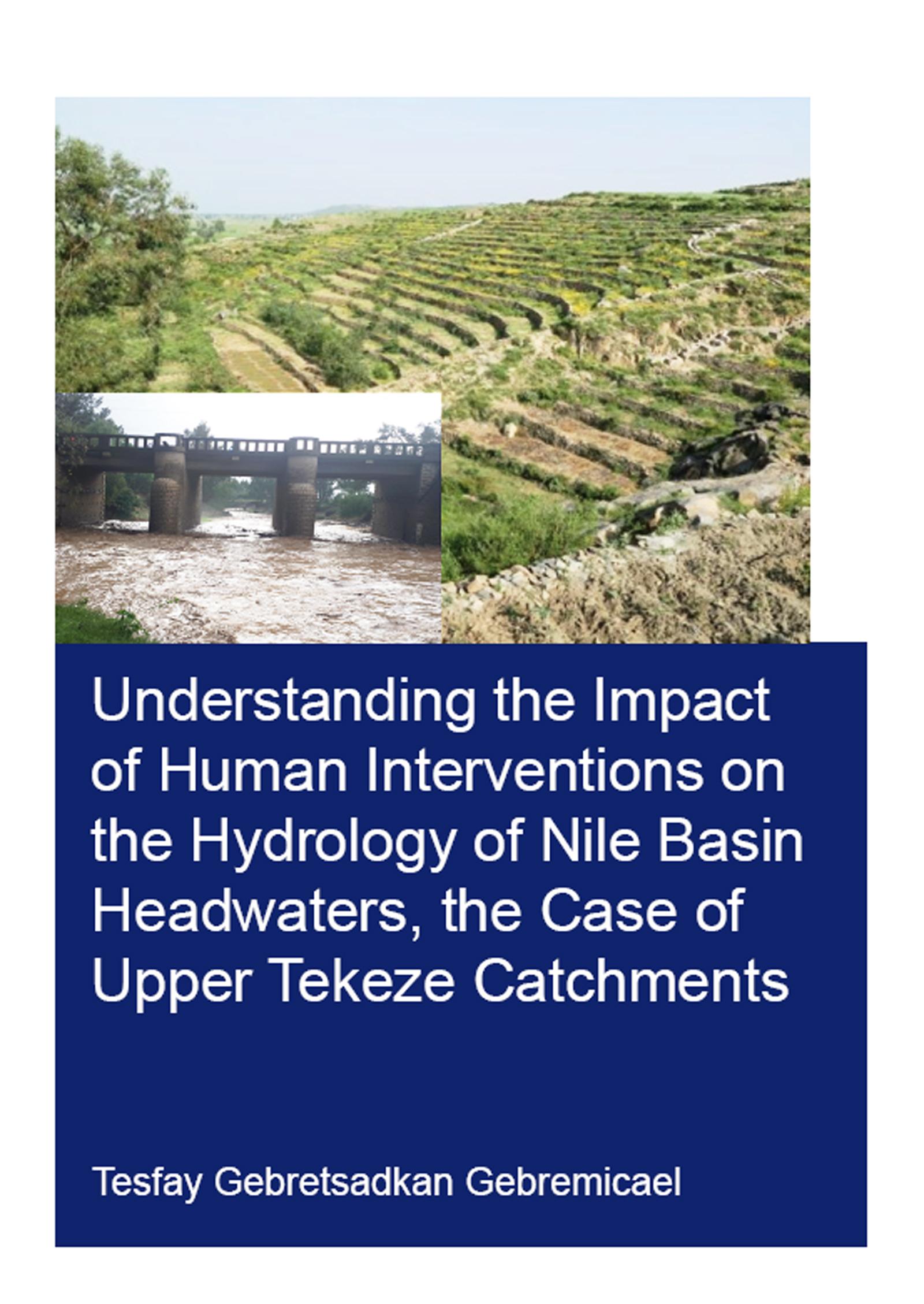
The availability and distribution of water resources in catchments are influenced by various natural and anthropogenic factors. Human-induced environmental changes are key factors controlling the hydrological flows of semi-arid catchments. Land degradation, water scarcity and inefficient utilization of available water resources continue to be important constraints for socio-economic development in the headwater catchments of the Nile river basin in particular over the Ethiopian Catchments. This research investigates the impact of landscape anthropogenic changes on the hydrological processes in the Upper Tekeze basin (A tributary of the Nile). The hydrology of the basin is investigated through analysis of hydro-climatic data, remote sensing techniques, new field measurements and parsimonious hydrological models.
The empirical evidence provided in this book confirms that human-induced environmental changes can significantly change the hydrology of catchments, both in negative (degradation) and in positive (restoration) ways. This book also shows that rainfall-runoff relationships in semi-arid catchments are non-uniform and hence the application of hydrological models in such catchments need special attention. Moreover, parsimonious dynamic hydrological model improves our understanding of the hydrological response to dynamic environmental changes.
Betaal eenvoudig met kaart, Klarna, Apple Pay of Google Pay. Niet tevreden? Je hebt altijd 14 dagen bedenktijd. Lees meer in onze voorwaarden. Heb je vragen, mail ons dan via hello@memmo.org.
Memmo maakt studeren makkelijker – waar je ook bent ter wereld. Wij brengen je cursusboeken en slimme studietools samen op één plek: samenvattingen, quizzen, podcasts en flashcards. En Ted, je studievriend die antwoord geeft op alles wat je je afvraagt. Meer dan 50.000 studenten studeren hier al – gebouwd om je sneller te laten leren en minder stress te geven.