
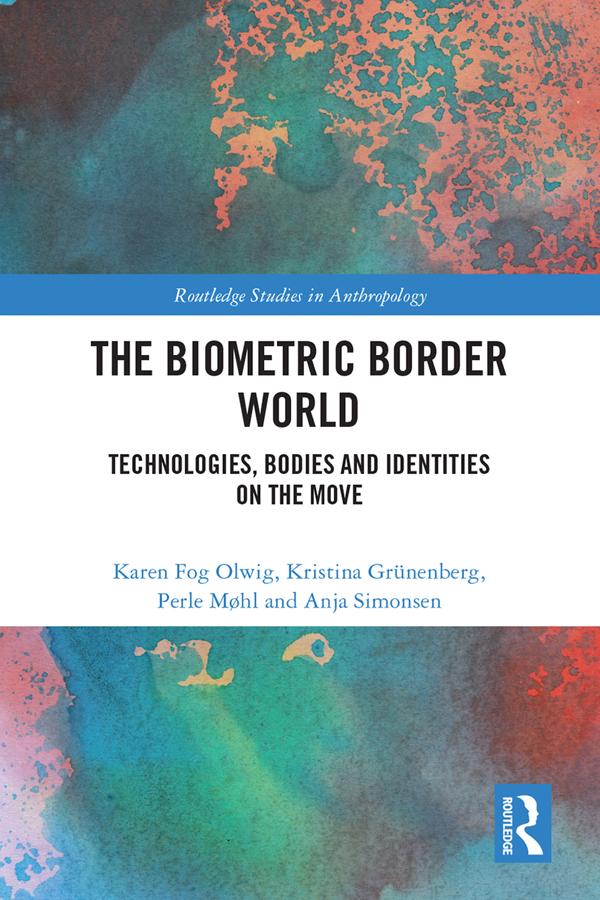
Since the 1990s, biometric border control has attained key importance throughout Europe. Employing digital images of, for example, fingerprints, DNA, bones, faces or irises, biometric technologies use bodies to identify, categorize and regulate individuals’ cross-border movements.
Based on innovative collaborative fieldwork, this book examines how biometrics are developed, put to use and negotiated in key European border sites. It analyses the disparate ways in which the technologies are applied, perceived and experienced by border control agents and others managing the cross-border flow of people, by scientists and developers engaged in making the technologies, and by migrants and non-government organizations attempting to manoeuvre in the complicated and often-unpredictable systems of technological control.
Biometric technologies are promoted by national and supranational authorities and industry as scientifically exact and neutral methods of identification and verification, and as an infallible solution to security threats. The ethnographic case studies in this volume demonstrate, however, that the technologies are, in fact, characterized by considerable ambiguity and uncertainty and subject to substantial subjective interpretation, translation and brokering with different implications for migrants, border guards, researchers and other actors engaged in the border world.
Betaal eenvoudig met kaart, Klarna, Apple Pay of Google Pay. Niet tevreden? Je hebt altijd 14 dagen bedenktijd. Lees meer in onze voorwaarden. Heb je vragen, mail ons dan via hello@memmo.org.
Memmo maakt studeren makkelijker – waar je ook bent ter wereld. Wij brengen je cursusboeken en slimme studietools samen op één plek: samenvattingen, quizzen, podcasts en flashcards. En Ted, je studievriend die antwoord geeft op alles wat je je afvraagt. Meer dan 50.000 studenten studeren hier al – gebouwd om je sneller te laten leren en minder stress te geven.