
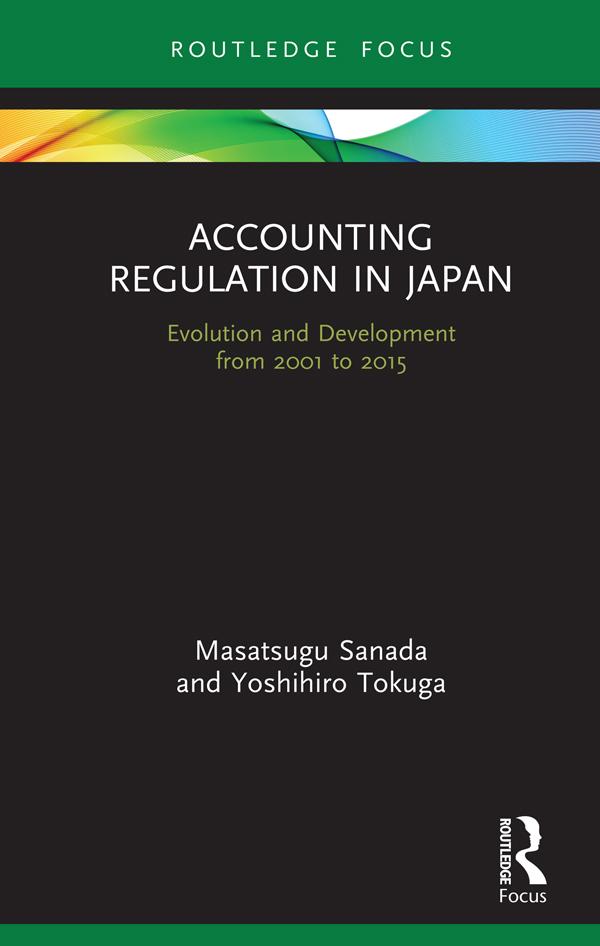
Little has been published on accounting standards in Japan and how they have developed. The purpose of this study is to construct a historical narrative of the interplay between accounting standards in Japan and theories of regulation.
The authors demonstrate that delegation of the authority for accounting standard setting to the private sector in Japan is incomplete, and thus, the role of the public sector remains important. In the discussion about IFRS implementation in Japan, the movement in the United States, industry opinions, and ideological conflict between fair value versus historical cost play important roles. These elements combined led to the ambiguous coexistence of four sets of accounting standards in Japan. First, by using an explaining-outcome process-tracing method, the authors examine how these sets of standards occurred and explore the significance of each. Second, they deliver an explanation of this unique coexistence through the lens of theories of regulation. In doing so, they provide an overview of the history of the recent development of accounting regulation in Japan and offer an up-to-date response to current affairs or policy debates in Japan that have been rapidly changing.
Providing a rare insight into accounting regulation in Japan, an IFRS non-application country, this concise text will be of great interest to researchers and advanced students in international accounting and accounting regulation.
Betaal eenvoudig met kaart, Klarna, Apple Pay of Google Pay. Niet tevreden? Je hebt altijd 14 dagen bedenktijd. Lees meer in onze voorwaarden. Heb je vragen, mail ons dan via hello@memmo.org.
Memmo maakt studeren makkelijker – waar je ook bent ter wereld. Wij brengen je cursusboeken en slimme studietools samen op één plek: samenvattingen, quizzen, podcasts en flashcards. En Ted, je studievriend die antwoord geeft op alles wat je je afvraagt. Meer dan 50.000 studenten studeren hier al – gebouwd om je sneller te laten leren en minder stress te geven.