
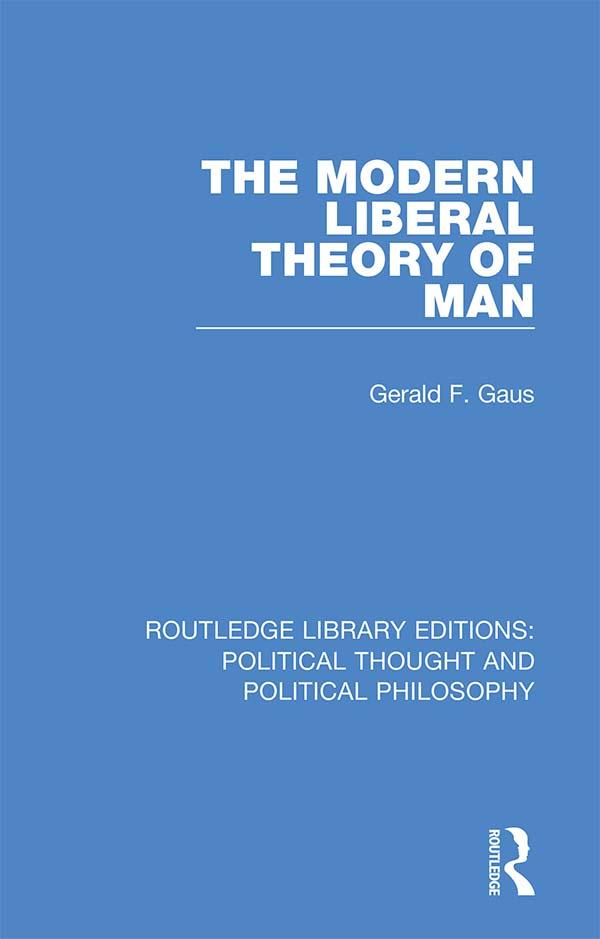
First published in 1983. The primary argument of this book is that there is a coherent tradition of liberal thinking that extends from L. S. Mill, through liberals like T. H. Green, Bernard Bosanquet, L. T. Hobhouse and John Dewey to John Rawls. The author places Rawls within a longstanding tradition of liberal thinking, while also arguing that Green and Hobhouse are not simply of historical interest but represent genuine and interesting attempts to develop a modern liberal theory.
It is argued that modern liberal theory centres on a conception of human nature; that modern liberals have sought to harmonise the pursuit of individuality with participation in social and communal life. Although the book focuses on six modern liberals, the discussion proceeds topically rather than according to author, thus highlighting similarities and disagreements and providing a comprehensive study of modern liberalism.
Betaal eenvoudig met kaart, Klarna, Apple Pay of Google Pay. Niet tevreden? Je hebt altijd 14 dagen bedenktijd. Lees meer in onze voorwaarden. Heb je vragen, mail ons dan via hello@memmo.org.
Memmo maakt studeren makkelijker – waar je ook bent ter wereld. Wij brengen je cursusboeken en slimme studietools samen op één plek: samenvattingen, quizzen, podcasts en flashcards. En Ted, je studievriend die antwoord geeft op alles wat je je afvraagt. Meer dan 50.000 studenten studeren hier al – gebouwd om je sneller te laten leren en minder stress te geven.