
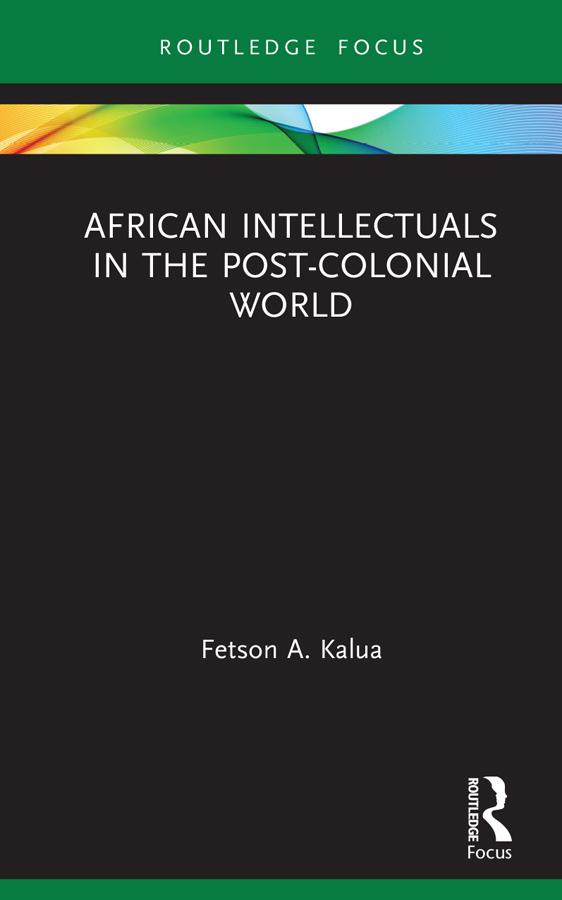
This book examines the role of African intellectuals in the years since the end of colonialism, studying the contribution that has been made by such individuals, both to political causes and to development within Africa.
Studying the concept of the "intellectual" within an African context, this book explores the responses of such individuals to crucial issues, such as cultural identity and knowledge production. The author argues that since the end of colonialism in Africa, various, often intertwining, factors, such as nationalism and co-option, have been used by black politicians or the political elites to muddle the roles and functions of black African intellectuals. Focusing on these confused roles and functions, the book posits that, over the years, most intellectuals in Africa have found the practice of "cheerleading" for a political cause more productive than making valuable contributions towards dynamic and progressive leadership in their countries.
This book will be of interest to students and scholars of African studies, politics, and development studies.
Betaal eenvoudig met kaart, Klarna, Apple Pay of Google Pay. Niet tevreden? Je hebt altijd 14 dagen bedenktijd. Lees meer in onze voorwaarden. Heb je vragen, mail ons dan via hello@memmo.org.
Memmo maakt studeren makkelijker – waar je ook bent ter wereld. Wij brengen je cursusboeken en slimme studietools samen op één plek: samenvattingen, quizzen, podcasts en flashcards. En Ted, je studievriend die antwoord geeft op alles wat je je afvraagt. Meer dan 50.000 studenten studeren hier al – gebouwd om je sneller te laten leren en minder stress te geven.