
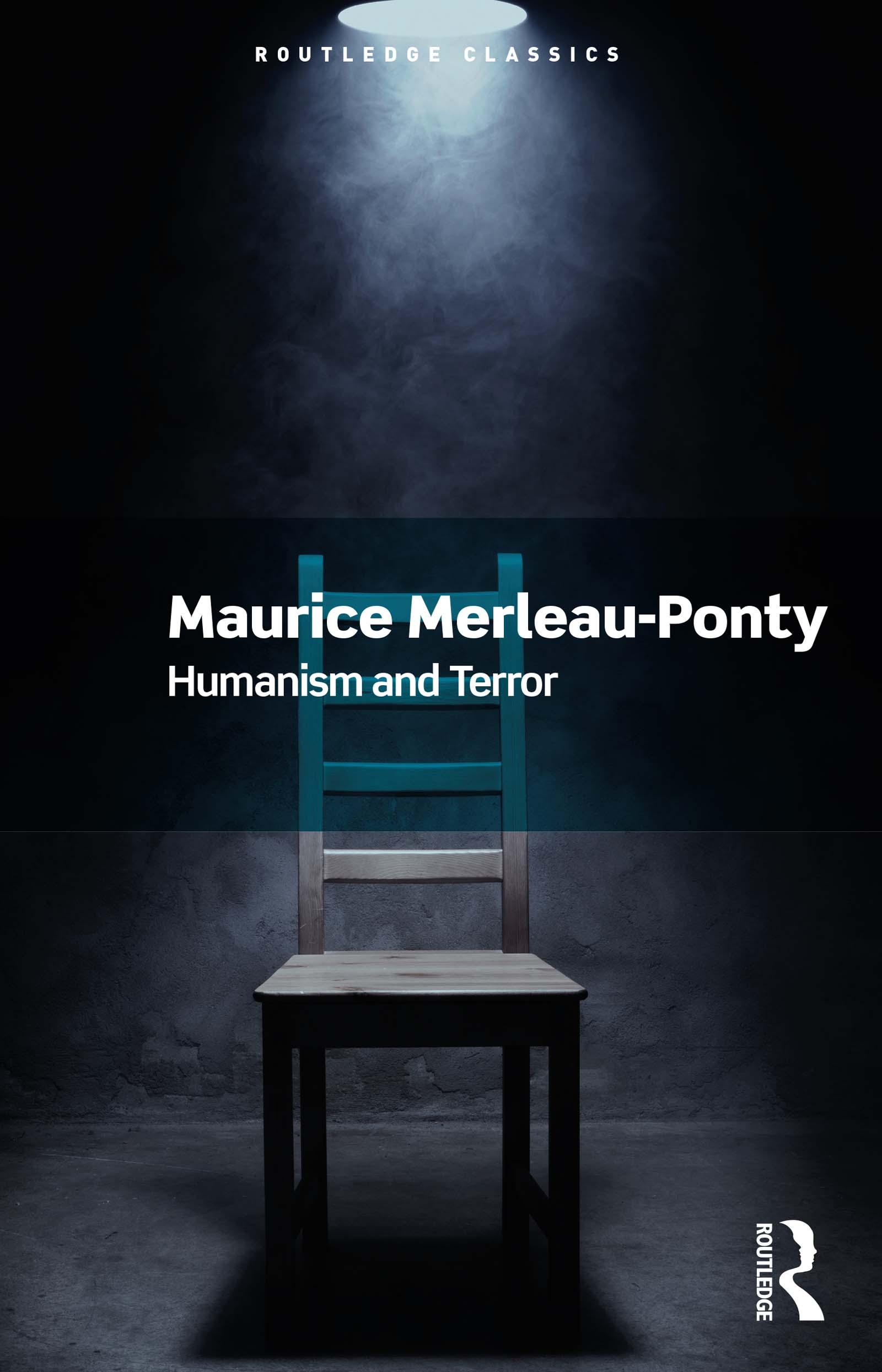
First published in France in 1947, Humanism and Terror is a vital work of political philosophy by one of the leading French philosophers of the twentieth century. Attempting to understand what he called the "dislocated world" that followed immediately after the Second World War—including his own, divided France—Merleau-Ponty asks a fundamental question: how did Marxism and humanism come apart?
Through a fascinating reading of Arthur Koestler's famous novel, Darkness at Noon, an allegory of the Stalinist show trials and purges of the 1930s, Merleau-Ponty weighs up the costs of a regime of permanent revolution and false confessions. His profound and controversial point, however, is that the purges were the inevitable outcome of abandoning crucial subjective elements of Marx’s theory of history, with the result that "humanism is suspended and government is terror."
As we again confront the reality of authoritarianism, political polarisation and curtailing of human freedom, the dislocated world brilliantly depicted by Merleau-Ponty in Humanism and Terror sends a powerful and articulate message that continues to resonate today.
This Routledge Classics edition includes a new Foreword by William McBride.
Betaal eenvoudig met kaart, Klarna, Apple Pay of Google Pay. Niet tevreden? Je hebt altijd 14 dagen bedenktijd. Lees meer in onze voorwaarden. Heb je vragen, mail ons dan via hello@memmo.org.
Memmo maakt studeren makkelijker – waar je ook bent ter wereld. Wij brengen je cursusboeken en slimme studietools samen op één plek: samenvattingen, quizzen, podcasts en flashcards. En Ted, je studievriend die antwoord geeft op alles wat je je afvraagt. Meer dan 50.000 studenten studeren hier al – gebouwd om je sneller te laten leren en minder stress te geven.