
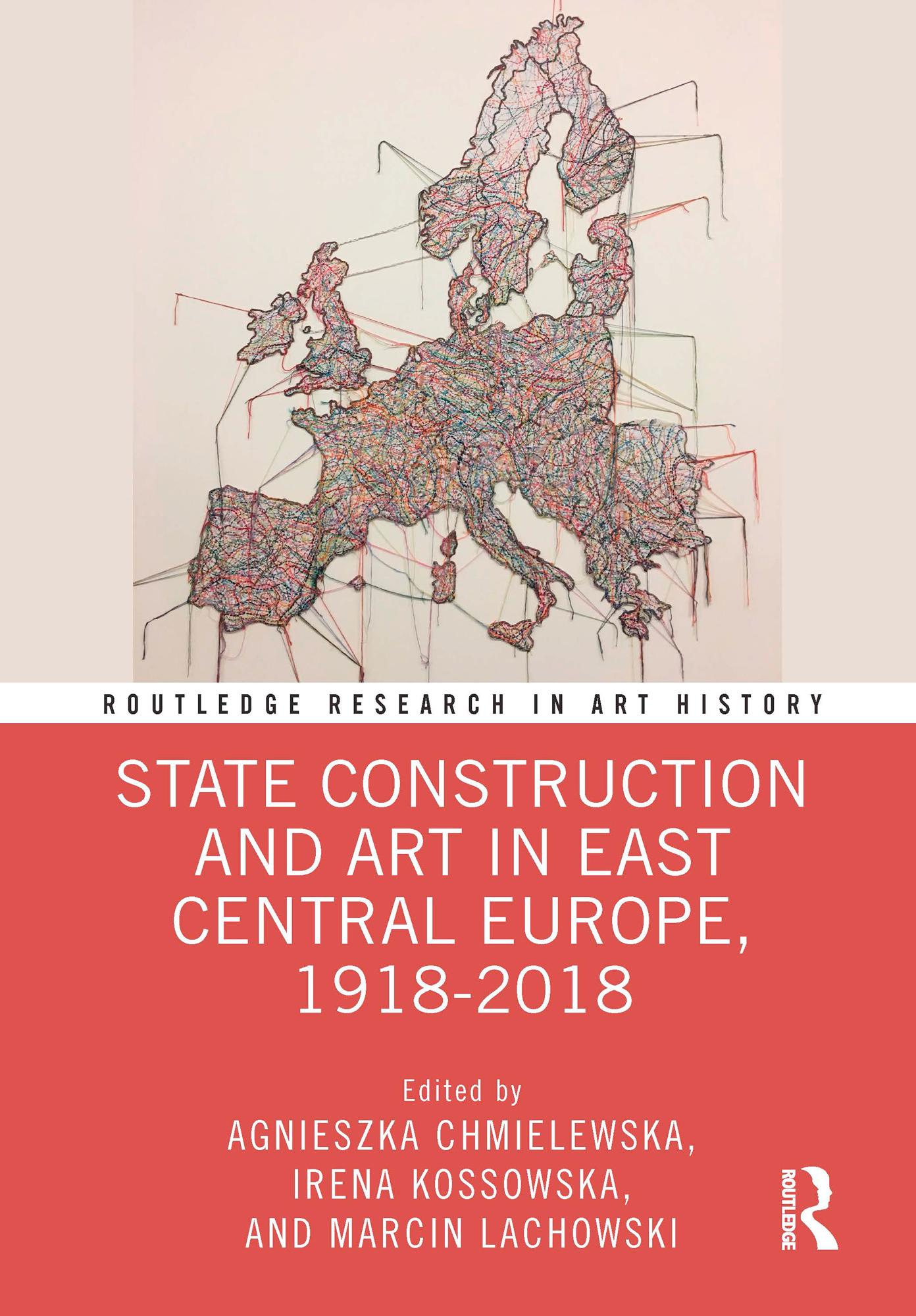
This volume offers a comprehensive perspective on the relationship between the art scene and agencies of the state in countries of the region, throughout four consecutive yet highly diverse historical periods: from the period of state integration after World War I, through the communist era post 1945 and the time of political transformation after 1989, to the present-day globalisation (including counter-reactions to westernisation and cultural homogenisation).
With twenty-three theoretically and/or empirically oriented articles by authors from sixteen countries (East Central Europe and beyond, including the United States and Australia), the book discusses interconnections between state policies and artistic institutions, trends and the art market from diverse research perspectives. The contributors explore subjects such as the impact of war on the formation of national identities, the role of artists in image-building for the new national states emerging after 1918, the impact of political systems on artists’ attitudes, the discourses of art history, museum studies, monument conservation and exhibition practices.
The book will be of interest to scholars working in art history, cultural politics, cultural history, and East Central European studies and history.
Betaal eenvoudig met kaart, Klarna, Apple Pay of Google Pay. Niet tevreden? Je hebt altijd 14 dagen bedenktijd. Lees meer in onze voorwaarden. Heb je vragen, mail ons dan via hello@memmo.org.
Memmo maakt studeren makkelijker – waar je ook bent ter wereld. Wij brengen je cursusboeken en slimme studietools samen op één plek: samenvattingen, quizzen, podcasts en flashcards. En Ted, je studievriend die antwoord geeft op alles wat je je afvraagt. Meer dan 50.000 studenten studeren hier al – gebouwd om je sneller te laten leren en minder stress te geven.