
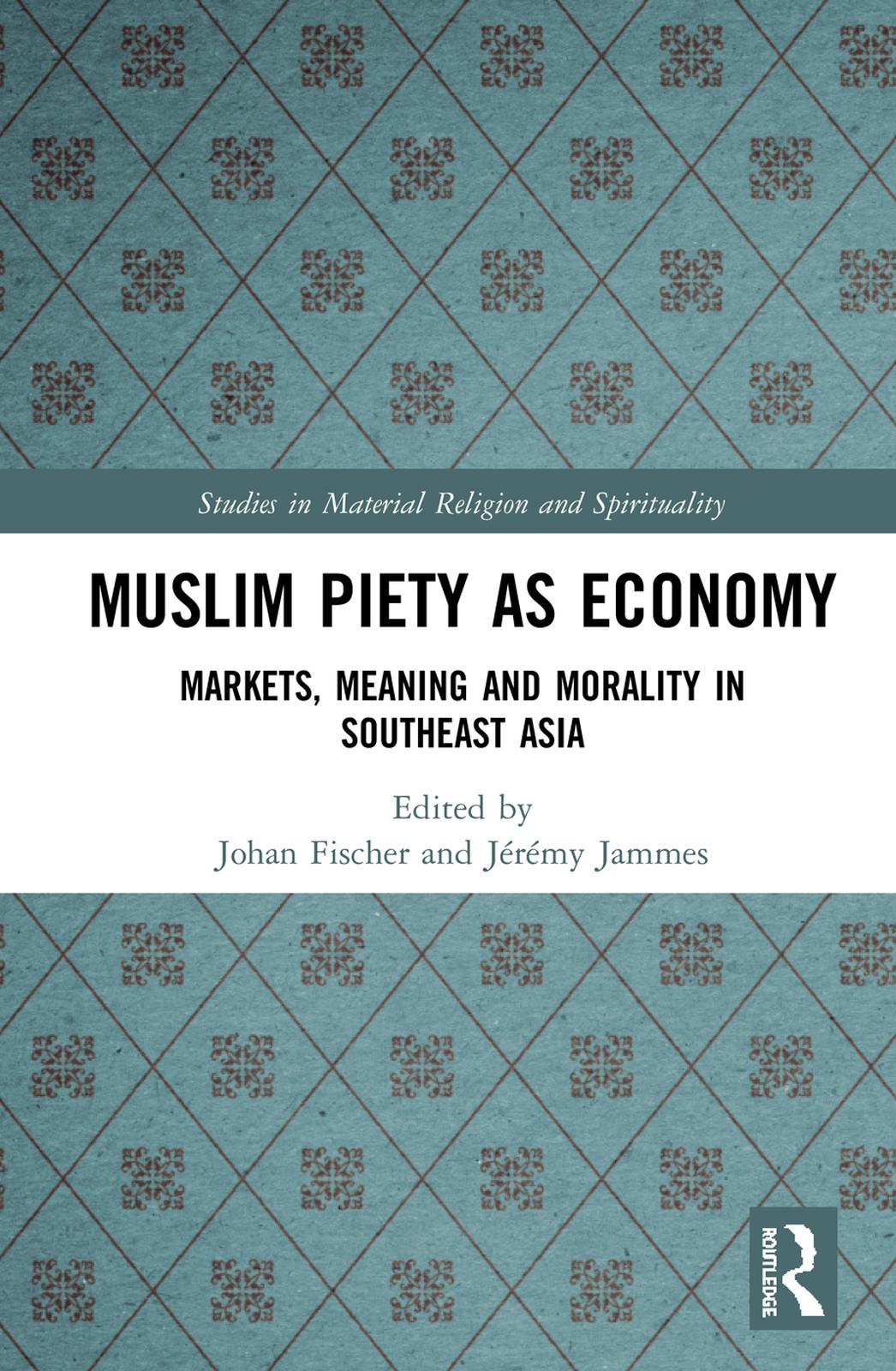
The first volume to explore Muslim piety as a form of economy, this book examines specific forms of production, trade, regulation, consumption, entrepreneurship and science that condition – and are themselves conditioned by – Islamic values, logics and politics. With a focus on Southeast Asia as a site of significant and diverse integration of Islam and the economy – as well as the incompatibilities that can occur between the two – it reveals the production of a Muslim piety as an economy in its own right. Interdisciplinary in nature and based on in-depth empirical studies, the book considers issues such as the Qur’anic prohibition of corruption and anti-corruption reforms; the emergence of the Islamic economy under colonialism; ‘halal’ or ‘lawful’ production, trade, regulation and consumption; modesty in Islamic fashion marketing communications; and financialisation, consumerism and housing. As such, it will appeal to scholars of sociology, anthropology and religious studies with interests in Islam and Southeast Asia.
Betaal eenvoudig met kaart, Klarna, Apple Pay of Google Pay. Niet tevreden? Je hebt altijd 14 dagen bedenktijd. Lees meer in onze voorwaarden. Heb je vragen, mail ons dan via hello@memmo.org.
Memmo maakt studeren makkelijker – waar je ook bent ter wereld. Wij brengen je cursusboeken en slimme studietools samen op één plek: samenvattingen, quizzen, podcasts en flashcards. En Ted, je studievriend die antwoord geeft op alles wat je je afvraagt. Meer dan 50.000 studenten studeren hier al – gebouwd om je sneller te laten leren en minder stress te geven.