
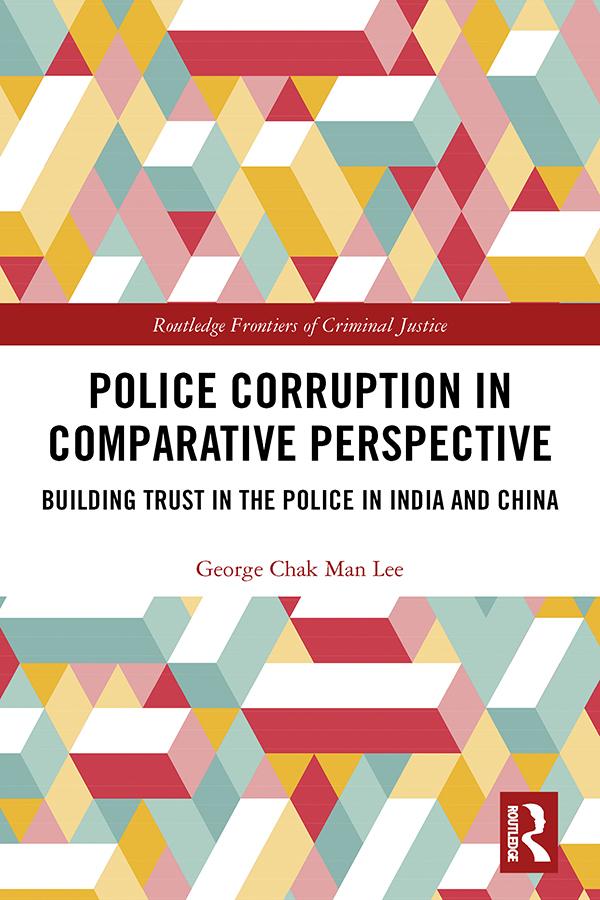
How has rapid economic modernization in China and India impacted upon policing? To what extent are the two police forces trusted by its citizens? Do the police carry out their duties in a fair and unbiased fashion? What does police corruption look like and why does it persist? And what are the influencing factors in decision-making at the moments-of-truth? Filling the lacuna of research into the police in China and India, this book offers a unique comparative study of the prevalence, nature and organization of police corruption in these countries.
This book provides key insights into the relationships between rapid economic modernisation, urbanisation and crime, and its effects on police organisational culture and behaviour as well as on ethical decision making. Moreover, this book performs an audit on which country is better placed to tackle corruption and professionalise their police service.
It offers a major contribution to comparative research on criminal justice. It is essential reading for all policing scholars and will be of interest to students of criminology, social and political sciences, development studies, Asian studies, and post-colonial studies.
Betaal eenvoudig met kaart, Klarna, Apple Pay of Google Pay. Niet tevreden? Je hebt altijd 14 dagen bedenktijd. Lees meer in onze voorwaarden. Heb je vragen, mail ons dan via hello@memmo.org.
Memmo maakt studeren makkelijker – waar je ook bent ter wereld. Wij brengen je cursusboeken en slimme studietools samen op één plek: samenvattingen, quizzen, podcasts en flashcards. En Ted, je studievriend die antwoord geeft op alles wat je je afvraagt. Meer dan 50.000 studenten studeren hier al – gebouwd om je sneller te laten leren en minder stress te geven.