
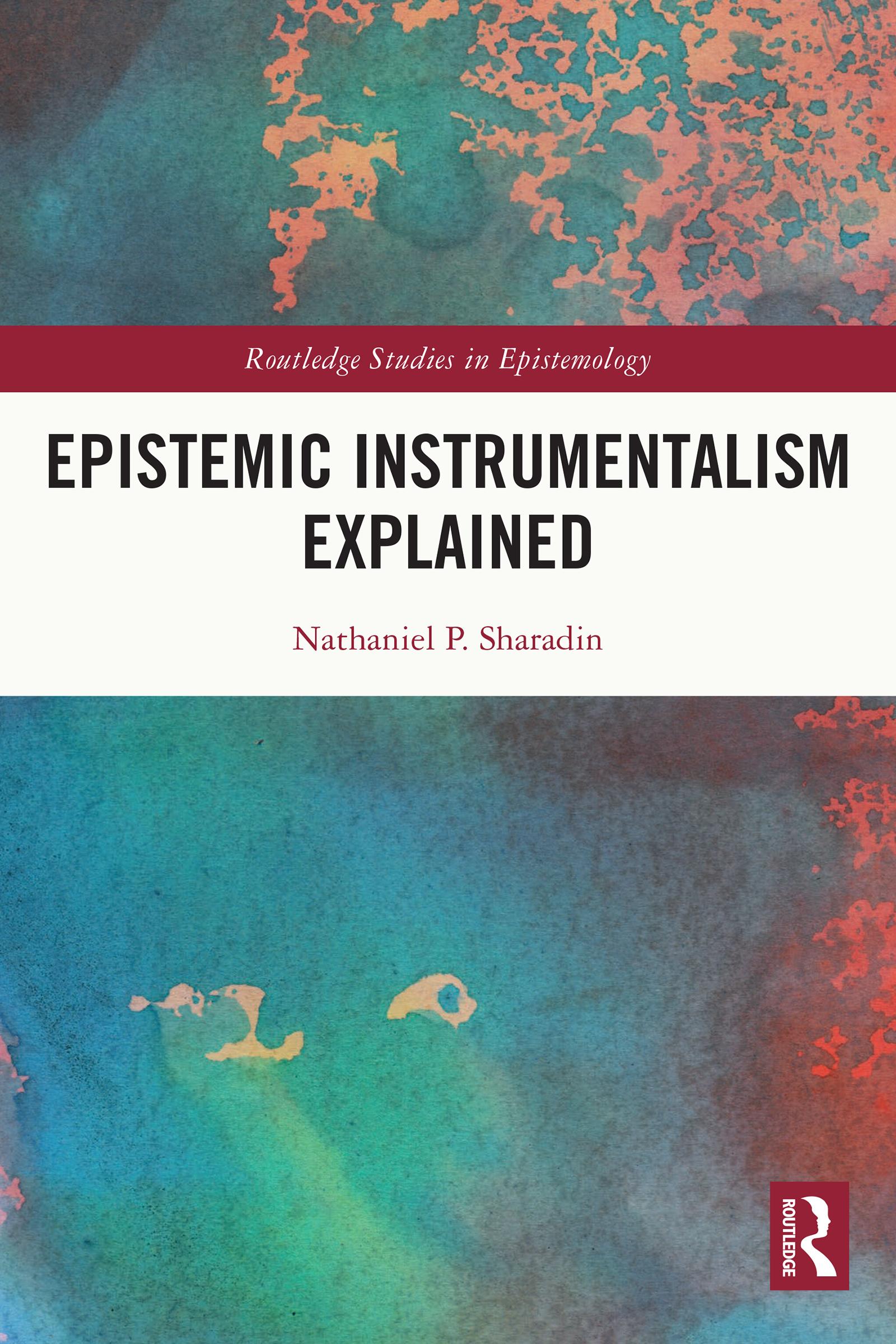
Do epistemic requirements vary along with facts about what promotes agents' well-being? Epistemic instrumentalists say 'yes', and thereby earn a lot of contempt. This contempt is a mistake on two counts. First, it is incorrectly based: the reasons typically given for it are misguided. Second, it fails to distinguish between first- and second-order epistemic instrumentalism; and, it happens, only the former is contemptible.
In this book, Nathaniel P. Sharadin argues for rejecting epistemic instrumentalism as a first-order view not because it suffers extensional failures, but because it suffers explanatory ones. By contrast, he argues that epistemic instrumentalism offers a natural, straightforward explanation of why being epistemically correct matters. What emerges is a second-order instrumentalist explanation for epistemic authority that is neutral between competing first-order epistemic theories. This neutrality is an advantage. But, drawing on work from cognitive science and psychology, Sharadin argues that instrumentalists can abandon that neutrality in order to adopt a view he calls epistemic ecologism.
Epistemic Instrumentalism Explained will be of interest to researchers and advanced students working in epistemology, ethics, and philosophy of mind.
Betaal eenvoudig met kaart, Klarna, Apple Pay of Google Pay. Niet tevreden? Je hebt altijd 14 dagen bedenktijd. Lees meer in onze voorwaarden. Heb je vragen, mail ons dan via hello@memmo.org.
Memmo maakt studeren makkelijker – waar je ook bent ter wereld. Wij brengen je cursusboeken en slimme studietools samen op één plek: samenvattingen, quizzen, podcasts en flashcards. En Ted, je studievriend die antwoord geeft op alles wat je je afvraagt. Meer dan 50.000 studenten studeren hier al – gebouwd om je sneller te laten leren en minder stress te geven.