
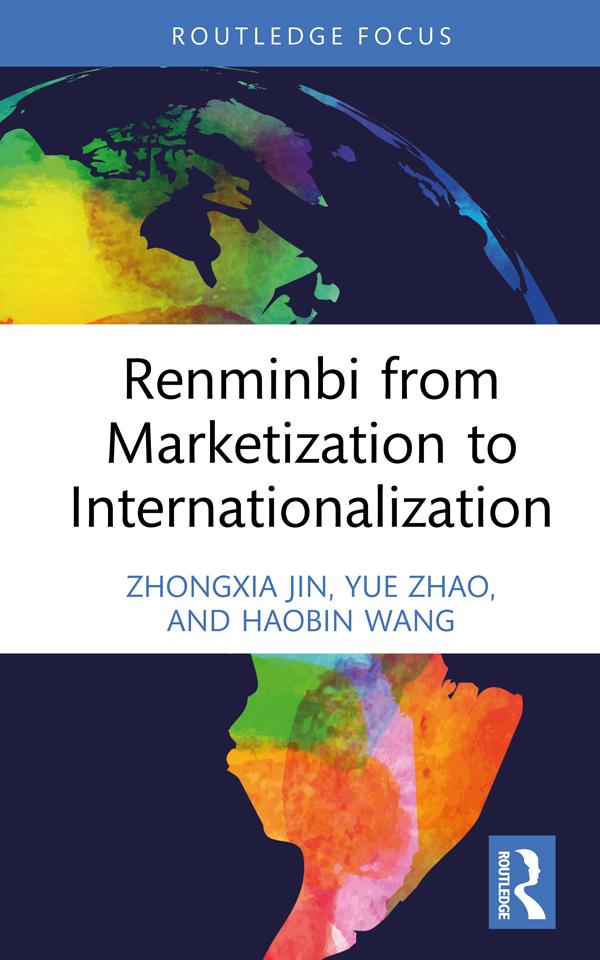
This study looks into the significance of a floating exchange rate regime, further development of the foreign exchange derivatives market, and concurrent internationalization of the Renminbi (RMB) for a resilient, open, and growing Chinese economy.
The first chapter analyzes the macroeconomic impact of foreign exchange intervention based on empirical studies on 26 economies, explaining why most countries favor a floating exchange rate regime under the existing international monetary system. The second chapter discusses the macroeconomic and microeconomic conditions that would facilitate a successful transition to a floating exchange rate. The final two chapters discuss the importance of further developing the foreign exchange derivatives market in China and explores paths toward further opening-up of the capital market and internationalization of the RMB under a floating exchange rate. Based on the authors’ decades of reflections and systematic analysis on real cases both in China and abroad, the title sheds lights on China’s exchange rate issues and research on exchange rate policy.
This book will be an essential reference for scholars, students, professionals, and policymakers interested in exchange rate, currency internationalization, the financial market, especially the derivatives market, and the Chinese economy.
Betaal eenvoudig met kaart, Klarna, Apple Pay of Google Pay. Niet tevreden? Je hebt altijd 14 dagen bedenktijd. Lees meer in onze voorwaarden. Heb je vragen, mail ons dan via hello@memmo.org.
Memmo maakt studeren makkelijker – waar je ook bent ter wereld. Wij brengen je cursusboeken en slimme studietools samen op één plek: samenvattingen, quizzen, podcasts en flashcards. En Ted, je studievriend die antwoord geeft op alles wat je je afvraagt. Meer dan 50.000 studenten studeren hier al – gebouwd om je sneller te laten leren en minder stress te geven.