
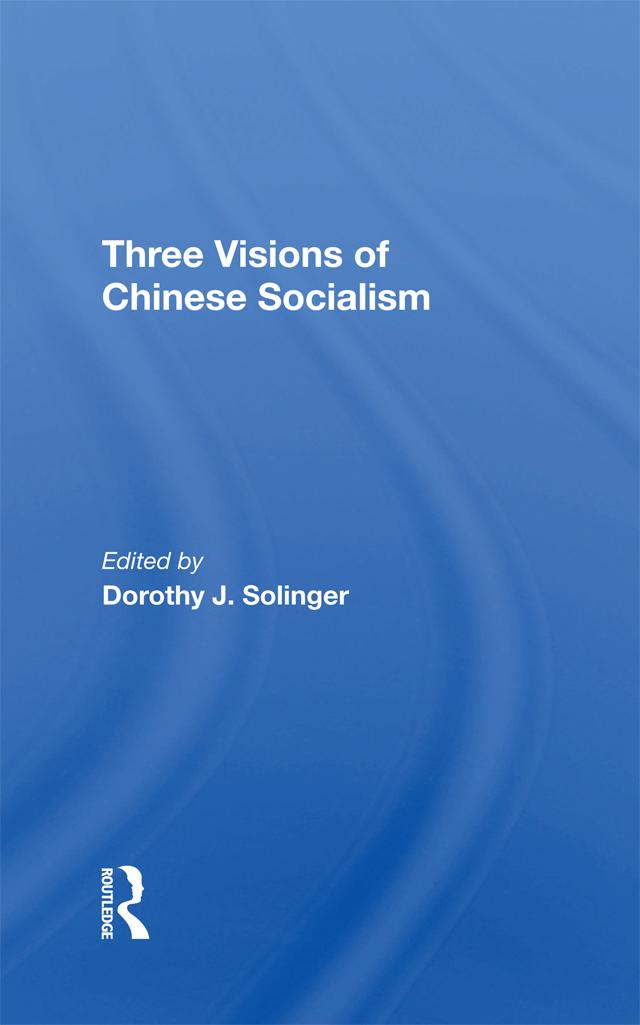
For many years, most scholarly and journalistic intepretation of Chinese politics has followed the practice of the media in the People's Republic, analyzing conflict among the leadership in terms of a dichotomy between two lines, R or the two-line struggle. The adherents of· this model refer to the two lines as -ideologues'" or -radicals· on the one hand, versus pragmatists- or moderates on the other. In this book the authors propose that Chinese politics can more fruitfully be. assessed in light of a clash among three, rather than two, competing ·visions.- Policy conflicts, they conclude, occur because of disagreements over the relative priorities to set among three competing va1ues--productivity, mass participation and mobilization, and order. Each author analyzes debates over market, mobilization, and bureaucratic approaches in a particular policy sector, demonstrating how differing visions have influenced policy formation.
Betaal eenvoudig met kaart, Klarna, Apple Pay of Google Pay. Niet tevreden? Je hebt altijd 14 dagen bedenktijd. Lees meer in onze voorwaarden. Heb je vragen, mail ons dan via hello@memmo.org.
Memmo maakt studeren makkelijker – waar je ook bent ter wereld. Wij brengen je cursusboeken en slimme studietools samen op één plek: samenvattingen, quizzen, podcasts en flashcards. En Ted, je studievriend die antwoord geeft op alles wat je je afvraagt. Meer dan 50.000 studenten studeren hier al – gebouwd om je sneller te laten leren en minder stress te geven.