
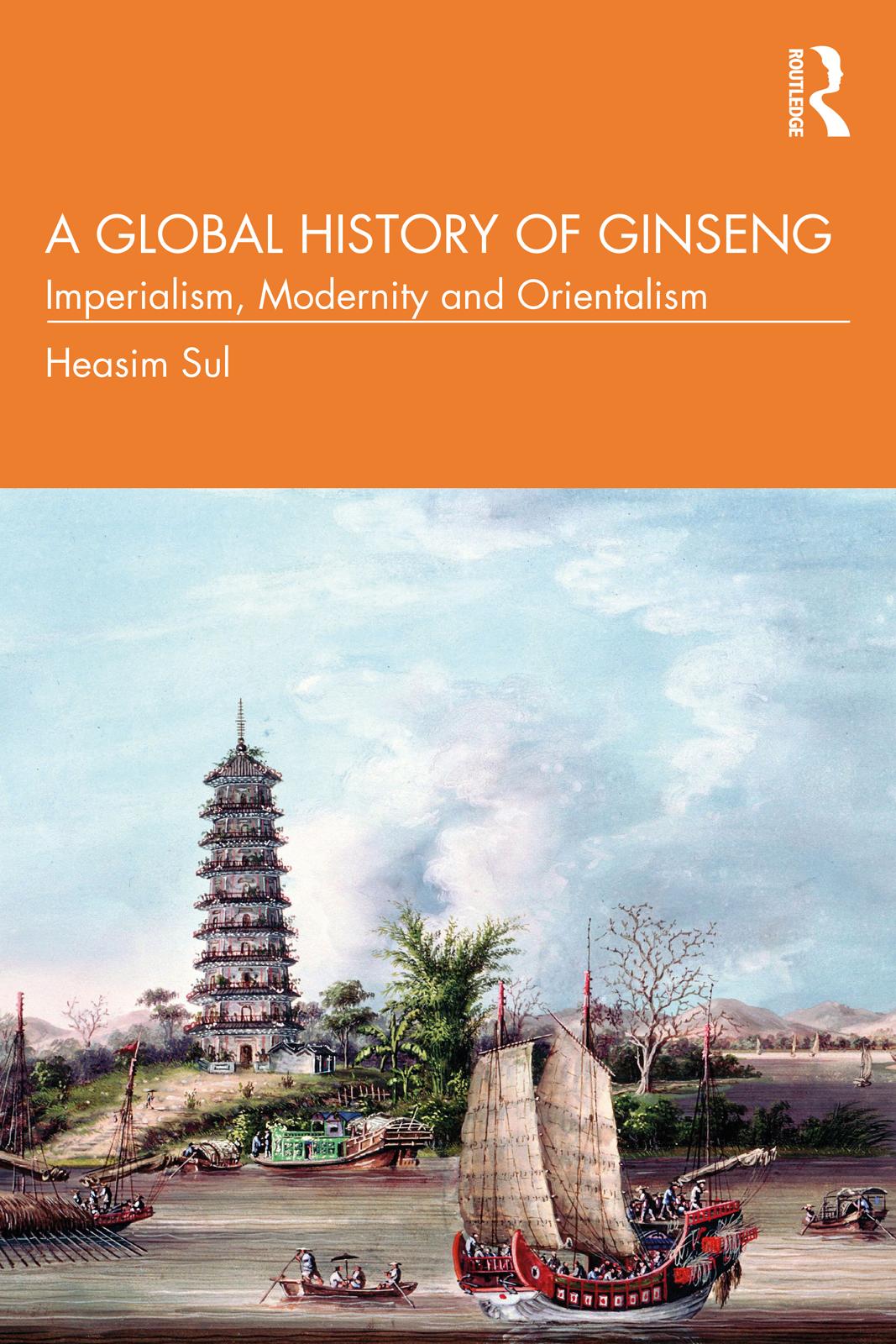
Sul’s history of the international ginseng trade reveals the cultural aspects of international capitalism and the impact of this single commodity on relations between the East and the West.
Ginseng emerged as a major international commodity in the seventeenth century, when the East India Company began trading it westward. Europeans were drawn to the plant’s efficacy as a medicine, but their attempts to transplant it for mass production were unsuccessful. Also, due to a failure of extracting its active ingredients, Western pharmacology disparaged ginseng in the process of modernization. In the meantime, ginseng was discovered on the American continent and became one of the United States’ key exports to Asia and particularly China, but never cultivated a significant domestic market. As such, historicizing the ginseng trade provides a unique perspective on the impact of both culture and economics on international trade.
A compelling interdisciplinary history of over five centuries of East–West trade and cultural exchange, this book will be invaluable to students and scholars of transnational history and a fascinating read for anyone interested in the history of international trade.
Betaal eenvoudig met kaart, Klarna, Apple Pay of Google Pay. Niet tevreden? Je hebt altijd 14 dagen bedenktijd. Lees meer in onze voorwaarden. Heb je vragen, mail ons dan via hello@memmo.org.
Memmo maakt studeren makkelijker – waar je ook bent ter wereld. Wij brengen je cursusboeken en slimme studietools samen op één plek: samenvattingen, quizzen, podcasts en flashcards. En Ted, je studievriend die antwoord geeft op alles wat je je afvraagt. Meer dan 50.000 studenten studeren hier al – gebouwd om je sneller te laten leren en minder stress te geven.