
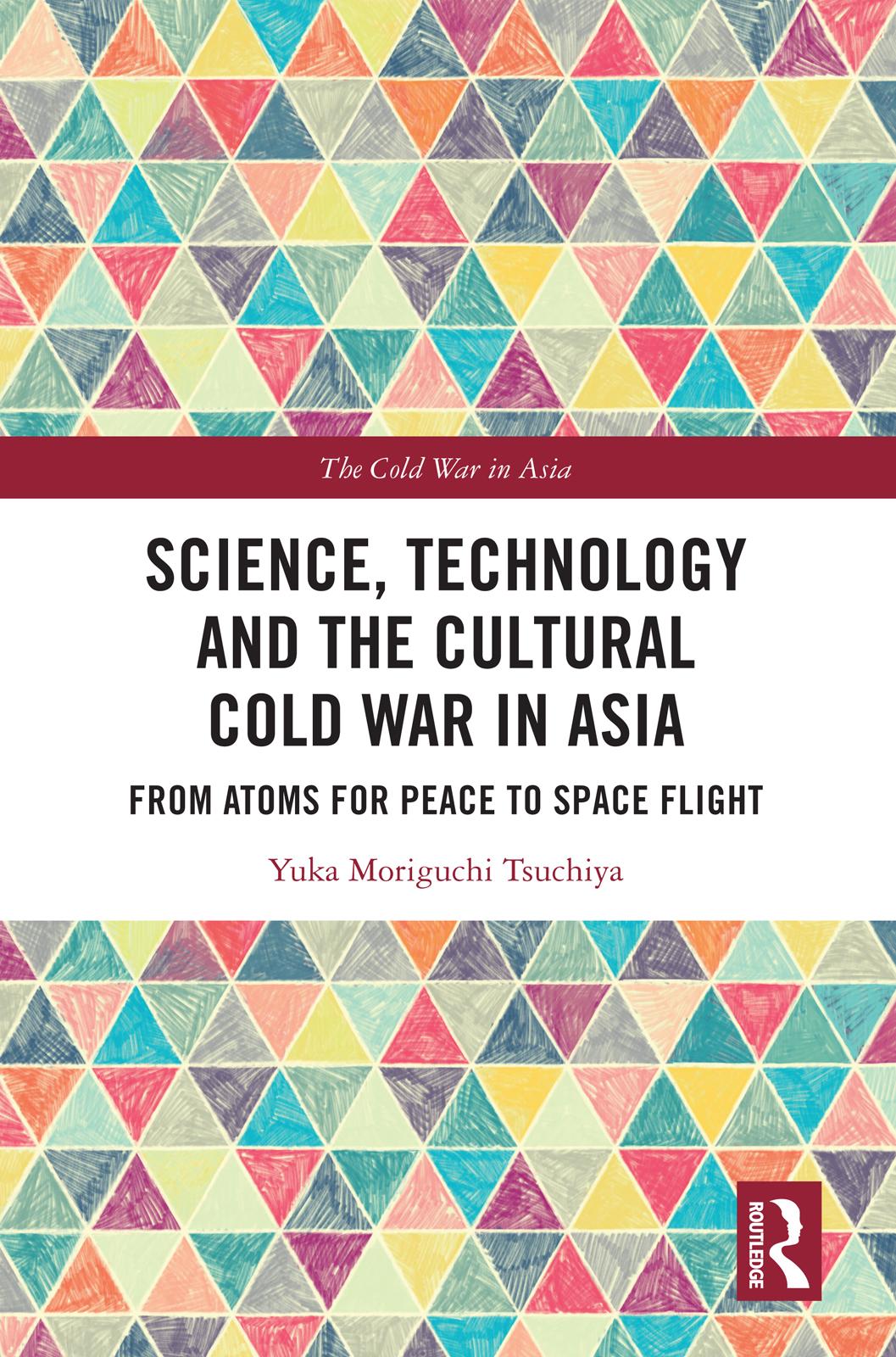
Tsuchiya presents a new insight into the political roles of science and technology during the Cold War era in Asia.
The Cold War was not only a battle of conflicting ideologies and economic systems, but also a competition of cultures and lifestyles, and a battle to win the hearts and minds of people in developing countries. Tsuchiya argues that science and technology were an integral part of how culture was deployed strategically. She discusses the 1950s and early 1960s: the Eisenhower and Kennedy presidencies in the U.S., and the decolonization and nation-building efforts in Japan, South Vietnam, Burma, and Indonesia. She also sheds light on the way U.S. technological aid programs such as Foreign Atoms for Peace, and the overseas information program were received by Asian leaders, technocrats, and scientists.
Provides valuable insight for scholars of Cold War History in Asia and US Foreign Policy.
Betaal eenvoudig met kaart, Klarna, Apple Pay of Google Pay. Niet tevreden? Je hebt altijd 14 dagen bedenktijd. Lees meer in onze voorwaarden. Heb je vragen, mail ons dan via hello@memmo.org.
Memmo maakt studeren makkelijker – waar je ook bent ter wereld. Wij brengen je cursusboeken en slimme studietools samen op één plek: samenvattingen, quizzen, podcasts en flashcards. En Ted, je studievriend die antwoord geeft op alles wat je je afvraagt. Meer dan 50.000 studenten studeren hier al – gebouwd om je sneller te laten leren en minder stress te geven.