
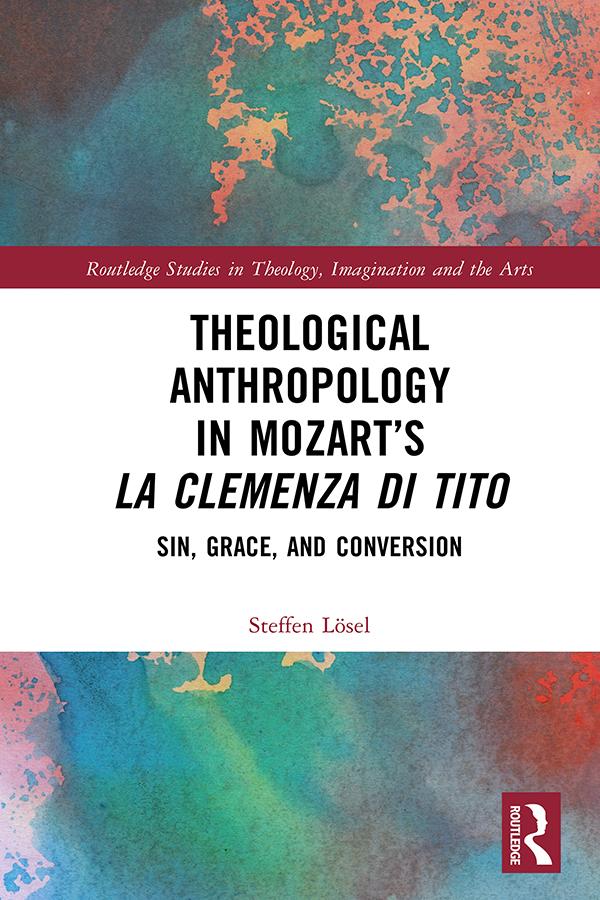
This book asks what theological messages theologically educated Catholics in late-eighteenth-century Prague might have perceived in Mozart’s late opera seria La clemenza di Tito. The book’s thesis is two-fold: first, that Catholics might have heard the opera’s advocacy of enlightened absolutism as a celebration of a distinctly Catholic understanding of political governance; and second, that they might have found in the opera a metaphor for the relationship between a gracious God and humanity caught up in sin, expressed as sexual concupiscence, pride, and lust for power. The book develops its interpretation of the opera through narrative character analyses of the main protagonists, an examination of their dramatic development, and by paying attention to the biblical and theological associations they may have evoked in a Catholic audience. The book is geared towards academic readers interested in opera, theologians, historians, and those who work at the intersection of theology and the arts. It contributes to a better understanding of the theological implications of Mozart’s operatic work.
Betaal eenvoudig met kaart, Klarna, Apple Pay of Google Pay. Niet tevreden? Je hebt altijd 14 dagen bedenktijd. Lees meer in onze voorwaarden. Heb je vragen, mail ons dan via hello@memmo.org.
Memmo maakt studeren makkelijker – waar je ook bent ter wereld. Wij brengen je cursusboeken en slimme studietools samen op één plek: samenvattingen, quizzen, podcasts en flashcards. En Ted, je studievriend die antwoord geeft op alles wat je je afvraagt. Meer dan 50.000 studenten studeren hier al – gebouwd om je sneller te laten leren en minder stress te geven.