
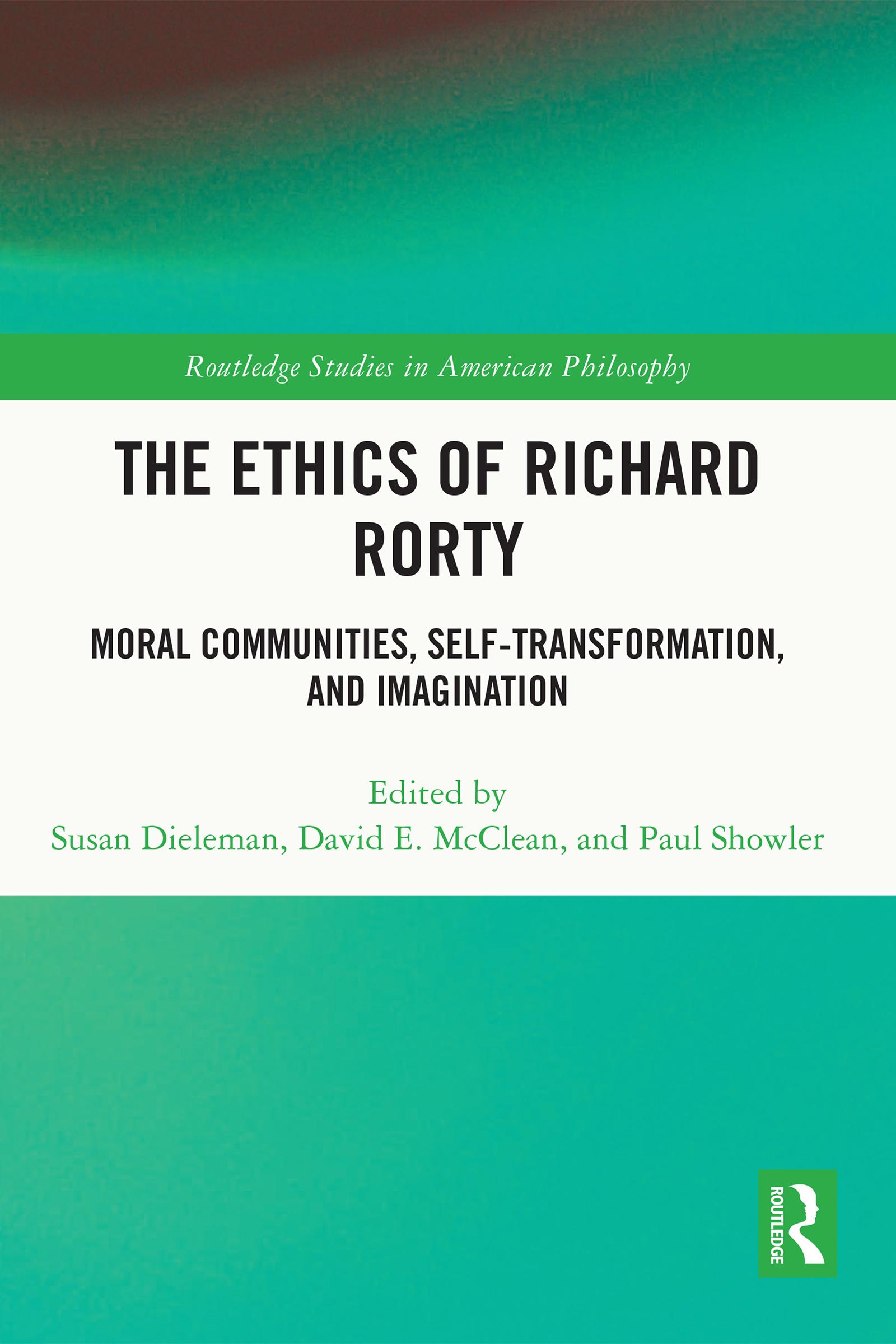
This book contains diverse and critical reflections on Richard Rorty’s contributions to ethics, an aspect of his thought that has been relatively neglected. Together, they demonstrate that Rorty offers a compelling and coherent ethical vision. The book's chapters, grouped thematically, explore Rorty’s emphasis on the importance of moral imagination, social relations, language, and literature as instrumental for ethical self-transformation, as well as for strengthening what Rorty called "social hope," which entails constant work toward a more democratic, inclusive, and cosmopolitan society and world.
Several contributors address the ethical implications of Rorty’s commitment to a vision of political liberalism without philosophical foundations. Others offer critical examinations of Rorty’s claim that our private or individual projects of self-creation can or should be held apart from our public goals of ameliorating social conditions and reducing cruelty and suffering. Some contributors explore hurdles that impede the practical applications of certain of Rorty's ideas.
The Ethics of Richard Rorty will appeal to scholars and advanced students interested in American philosophy and ethics.
Betaal eenvoudig met kaart, Klarna, Apple Pay of Google Pay. Niet tevreden? Je hebt altijd 14 dagen bedenktijd. Lees meer in onze voorwaarden. Heb je vragen, mail ons dan via hello@memmo.org.
Memmo maakt studeren makkelijker – waar je ook bent ter wereld. Wij brengen je cursusboeken en slimme studietools samen op één plek: samenvattingen, quizzen, podcasts en flashcards. En Ted, je studievriend die antwoord geeft op alles wat je je afvraagt. Meer dan 50.000 studenten studeren hier al – gebouwd om je sneller te laten leren en minder stress te geven.