
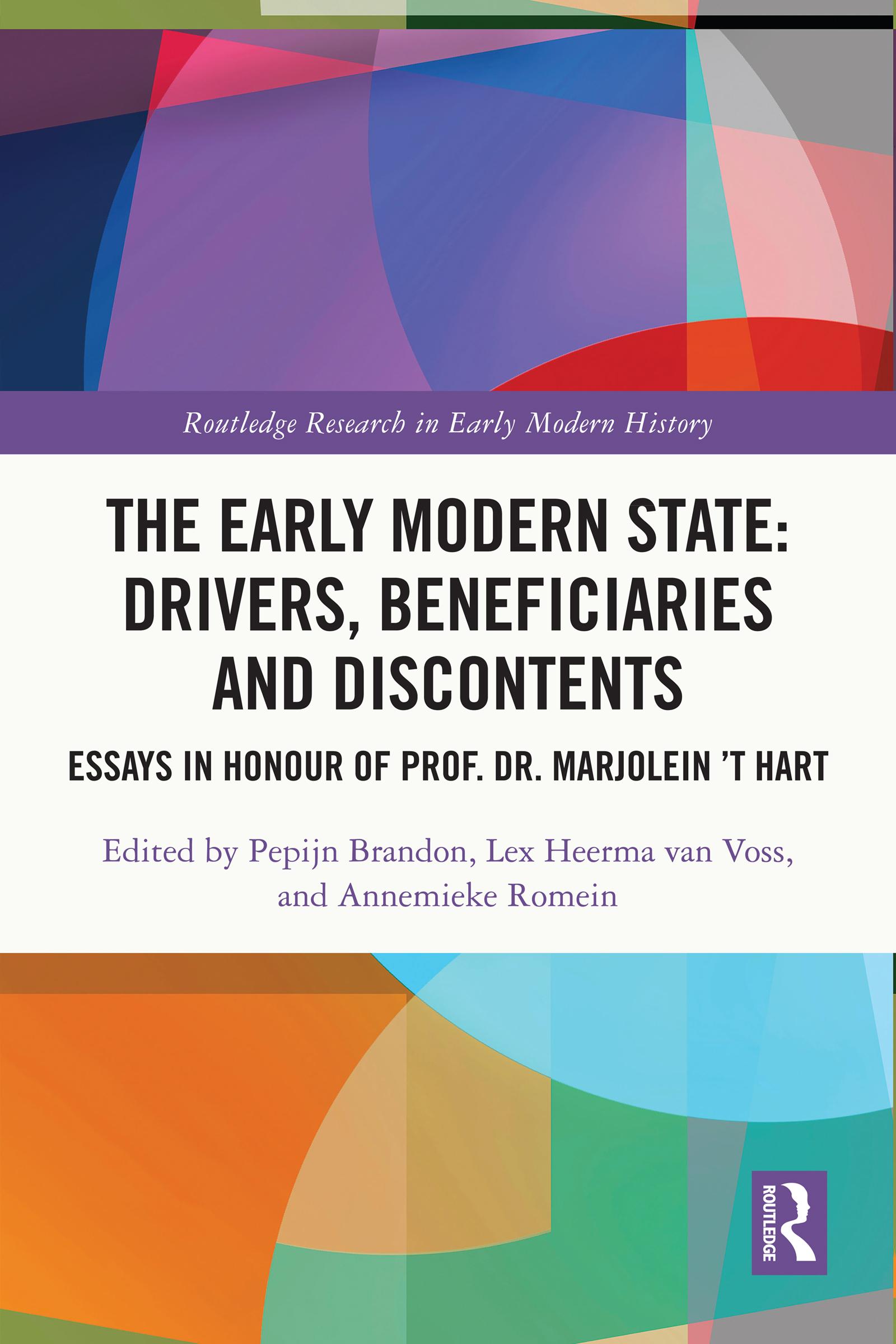
In the course of the early modern period, the capacity of European states to raise finances, wage wars, subject their own and far away populations, and exert bureaucratic power over a variety of areas of social life increased dramatically. Nevertheless, these changes were far less absolute and definitive than the literature on the rise of the "modern state" once held. While war pushed the boundaries of the emerging fiscal military states of the seventeenth and eighteenth centuries, rulers remained highly dependent on negotiations with competing elite groups and the private networks of contractors and financial intermediaries. Attempts to increase control over subjects often resulted in popular resistance, that in their turn set limits to and influenced the direction of the development of state institutions. Written in honour of the leading historian of war and state formation in the early modern Low Countries, Marjolein 't Hart, the chapters gathered in this volume examine the main drivers, beneficiaries and discontents of state formation across and beyond Europe in the early modern period.
Betaal eenvoudig met kaart, Klarna, Apple Pay of Google Pay. Niet tevreden? Je hebt altijd 14 dagen bedenktijd. Lees meer in onze voorwaarden. Heb je vragen, mail ons dan via hello@memmo.org.
Memmo maakt studeren makkelijker – waar je ook bent ter wereld. Wij brengen je cursusboeken en slimme studietools samen op één plek: samenvattingen, quizzen, podcasts en flashcards. En Ted, je studievriend die antwoord geeft op alles wat je je afvraagt. Meer dan 50.000 studenten studeren hier al – gebouwd om je sneller te laten leren en minder stress te geven.