
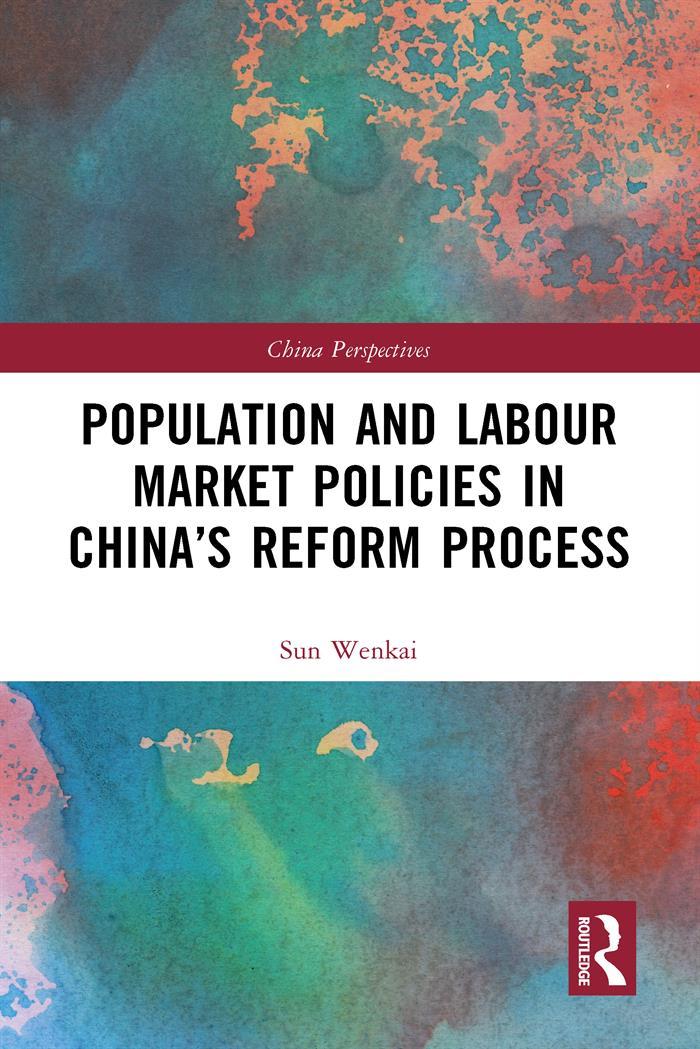
This book investigates the population and labour management reforms implemented since the reform and opening up of China in the early 1980s, giving insights into the economic and social implications of these reforms and future prospects for population governance.
The study examines three major components of China’s population management strategy in terms of its history and implementation: the household registration (Hukou) system, family planning policy, and the labour market system. Grounded in both qualitative and quantitative analysis, key metrics are introduced to better understand the Hukou system on the one hand while exploring the socio-economic issues arising from the policy, including the economic behaviour or residents, fertility, care of older people, entrepreneurship, institutional premiums and gender wage differentials. Based on these investigations, the author advances constructive suggestions to inform policymaking, aiming to deepen market-oriented reform of the economic system and improve social welfare in China.
The title will be a good reference for academics, students and policy makers interested in social policy, labour economics and especially China’s population and labour policy and Chinese economy and society.
Betaal eenvoudig met kaart, Klarna, Apple Pay of Google Pay. Niet tevreden? Je hebt altijd 14 dagen bedenktijd. Lees meer in onze voorwaarden. Heb je vragen, mail ons dan via hello@memmo.org.
Memmo maakt studeren makkelijker – waar je ook bent ter wereld. Wij brengen je cursusboeken en slimme studietools samen op één plek: samenvattingen, quizzen, podcasts en flashcards. En Ted, je studievriend die antwoord geeft op alles wat je je afvraagt. Meer dan 50.000 studenten studeren hier al – gebouwd om je sneller te laten leren en minder stress te geven.