
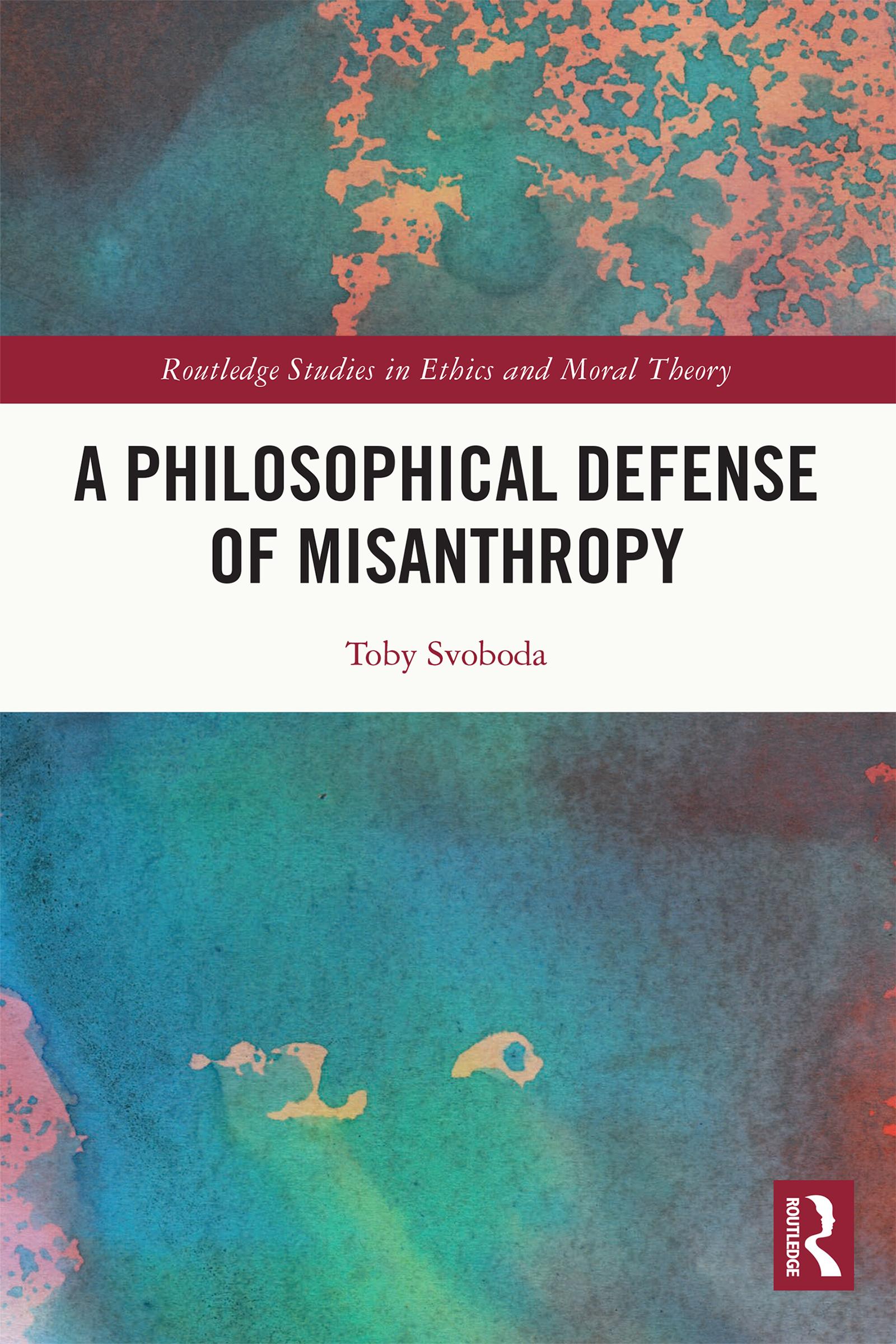
This book argues that it can be both reasonable and appropriate to adopt a certain kind of misanthropy. The author defends a cognitivist version of misanthropy, an attitude whose central feature is the judgment that humanity is morally bad.
Misanthropy is often dismissed on moral grounds. Many people hold that malice toward human persons is problematic and vulnerable to moral objections. In this book, the author advocates for cognitivist misanthropy. He defends an Asymmetry Thesis, according to which a morally bad deed carries more weight than a morally good deed, even if the harm of the former is exactly equal to the benefit of the latter. He makes the case that being misanthropic in the cognitivist sense is morally permissible and compatible with a broad range of moral reasons for action. He also considers the role of misanthropy in environmental thought, arguing that charges of misanthropy against certain "non-anthropocentric" views do not have the force they are typically thought to carry. Finally, the author investigates the practical implications of adopting cognitivist misanthropy, asking what living with such an attitude would involve.
A Philosophical Defense of Misanthropy will appeal to researchers and advanced students working in ethics and the philosophy of human nature.
Betaal eenvoudig met kaart, Klarna, Apple Pay of Google Pay. Niet tevreden? Je hebt altijd 14 dagen bedenktijd. Lees meer in onze voorwaarden. Heb je vragen, mail ons dan via hello@memmo.org.
Memmo maakt studeren makkelijker – waar je ook bent ter wereld. Wij brengen je cursusboeken en slimme studietools samen op één plek: samenvattingen, quizzen, podcasts en flashcards. En Ted, je studievriend die antwoord geeft op alles wat je je afvraagt. Meer dan 50.000 studenten studeren hier al – gebouwd om je sneller te laten leren en minder stress te geven.