
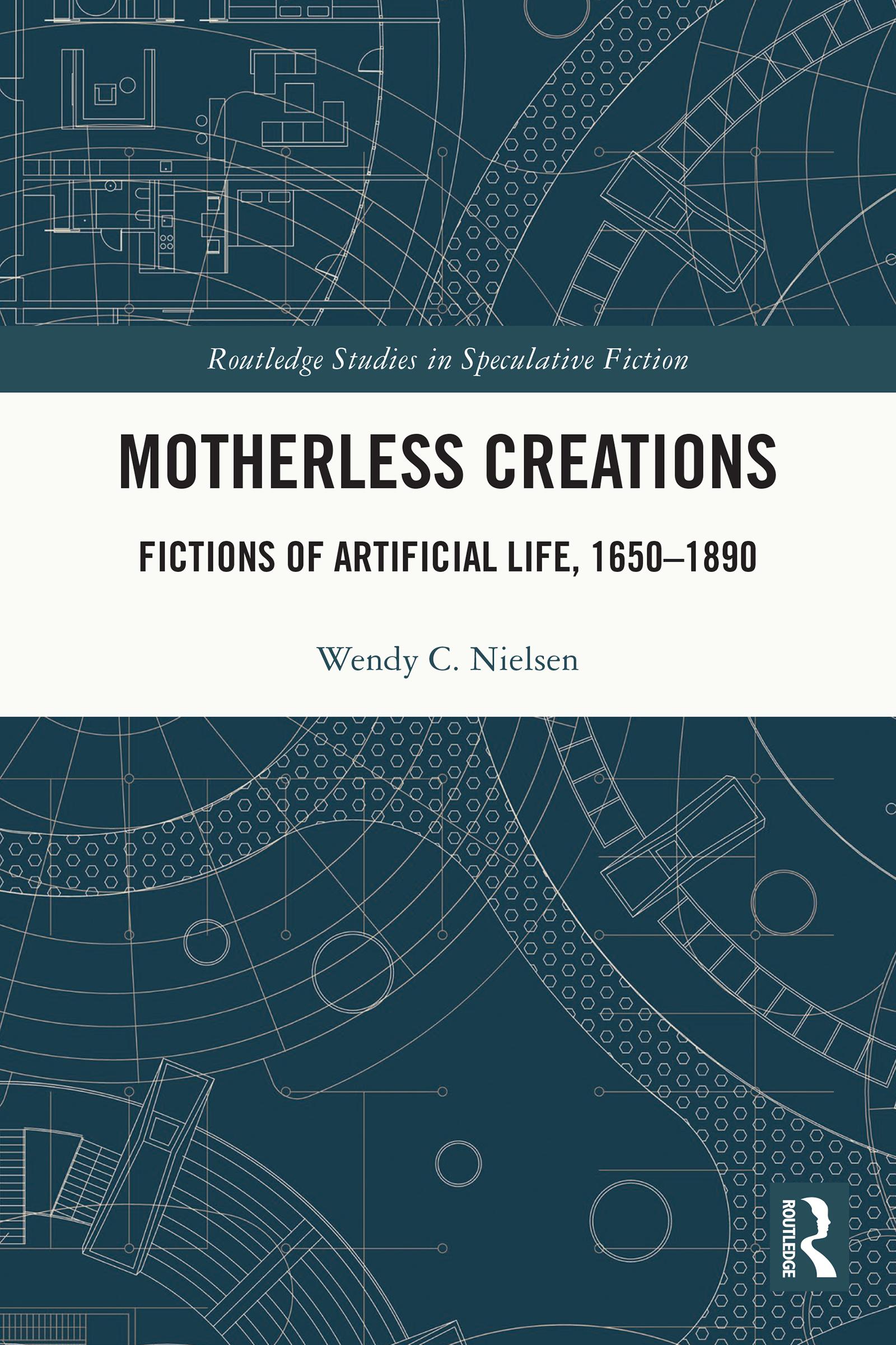
This book explains the elimination of maternal characters in American, British, French, and German literature before 1890 by examining motherless creations: Pygmalion’s statue, Frankenstein’s creature, homunculi, automata, androids, golems, and steam men. These beings typify what is now called artificial life, living systems made through manufactured means. Fantasies about creating life ex-utero were built upon misconceptions about how life began, sustaining pseudoscientific beliefs about the birthing body. Physicians, inventors, and authors of literature imagined generating life without women to control the process of reproduction and generate perfect progeny. Thus, some speculative fiction before 1890 belongs to the literary genealogy of transhumanism, the belief that technology will someday transform some humans into superior, immortal beings. Female motherless creations tend to operate as sexual companions. Male ones often emerge as subaltern figures analogous to enslaved beings, illustrating that reproductive rights inform readers’ sense of who counts as human in fictions of artificial life.
Betaal eenvoudig met kaart, Klarna, Apple Pay of Google Pay. Niet tevreden? Je hebt altijd 14 dagen bedenktijd. Lees meer in onze voorwaarden. Heb je vragen, mail ons dan via hello@memmo.org.
Memmo maakt studeren makkelijker – waar je ook bent ter wereld. Wij brengen je cursusboeken en slimme studietools samen op één plek: samenvattingen, quizzen, podcasts en flashcards. En Ted, je studievriend die antwoord geeft op alles wat je je afvraagt. Meer dan 50.000 studenten studeren hier al – gebouwd om je sneller te laten leren en minder stress te geven.