
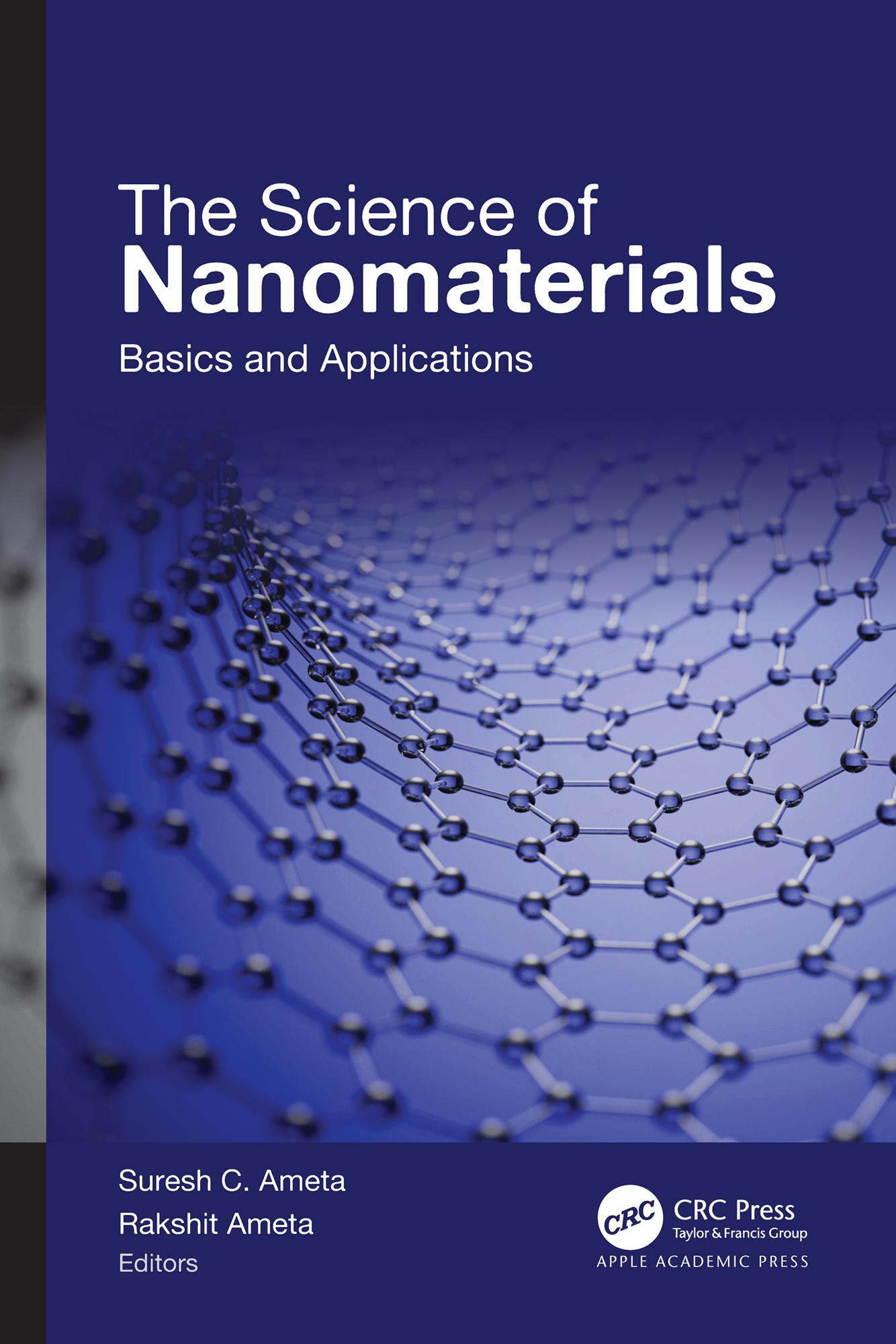
Nanoparticles have a smaller size as compared to their micro, macro, or bulk counterparts. Reduction in size of these particles provides them with some unique characteristics, such as surface-to-volume ratio, quantum confinement effect, surface plasmon response, widening of band gap, etc. These nanoparticles have attracted attention of scientists all over the globe in last few decades.
Written in a convenient and easy-to-read style, this book covers the important aspects of nanomaterials by focusing on the many issues related to the food and textile industries, treatment of polluted water, health, energy crises, targeted drug delivery, etc. The editors take an interdisciplinary approach to discussing how the scenario will change on a global level in the future and explore when these nanomaterials will replace almost all micro- and macromaterials.
The Science of Nanomaterials is a ready-at-hand guide to the many issues related to the use of nanomaterials in drug and gene delivery, sensors, photosplitting of water, wastewater treatment, microbial diagnosis, textile industries, nanocomposites, food industries (safety, security, packaging and preservation), etc.
Betaal eenvoudig met kaart, Klarna, Apple Pay of Google Pay. Niet tevreden? Je hebt altijd 14 dagen bedenktijd. Lees meer in onze voorwaarden. Heb je vragen, mail ons dan via hello@memmo.org.
Memmo maakt studeren makkelijker – waar je ook bent ter wereld. Wij brengen je cursusboeken en slimme studietools samen op één plek: samenvattingen, quizzen, podcasts en flashcards. En Ted, je studievriend die antwoord geeft op alles wat je je afvraagt. Meer dan 50.000 studenten studeren hier al – gebouwd om je sneller te laten leren en minder stress te geven.