
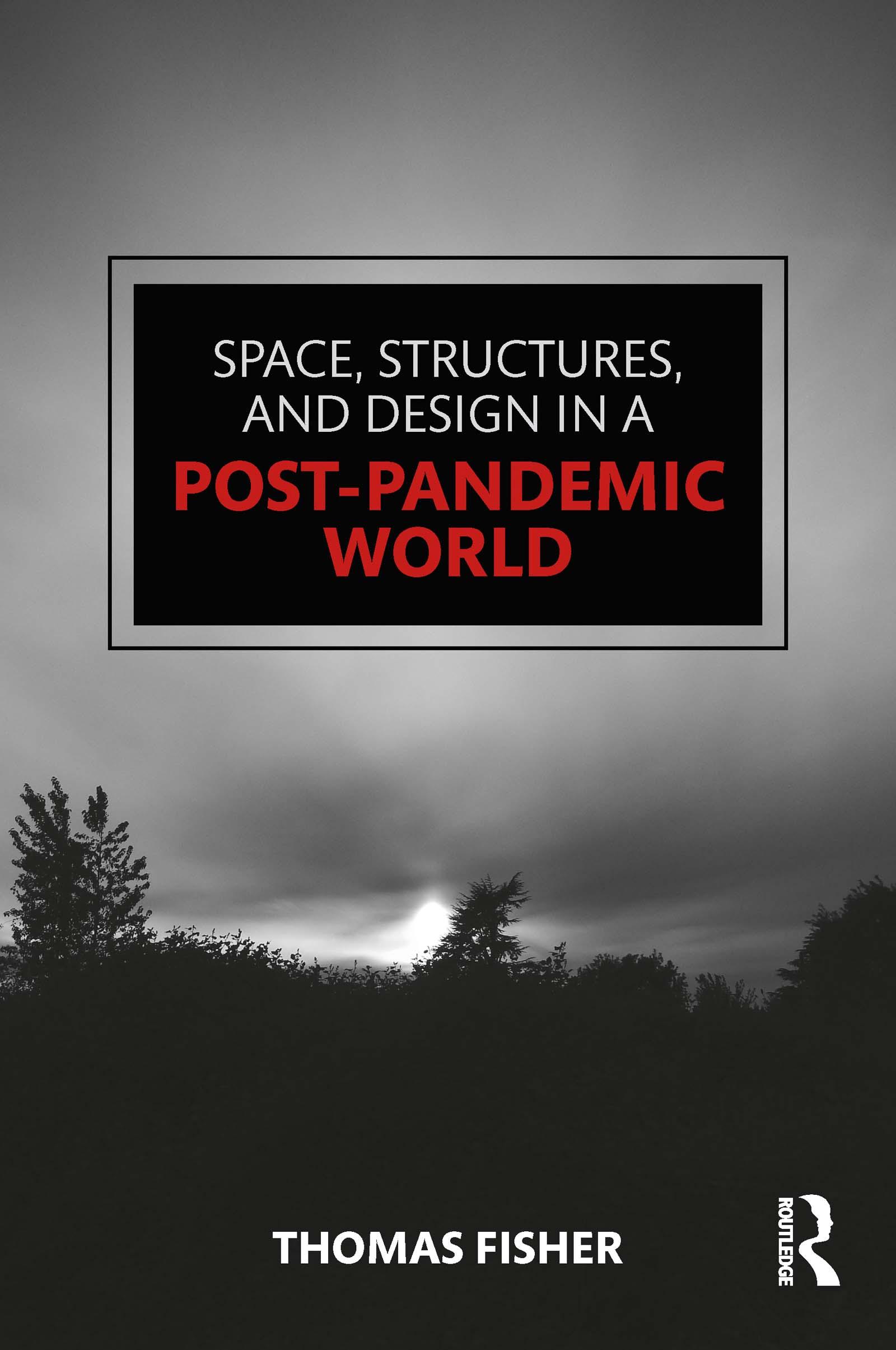
Pandemics have long-term effects on how we live and work, and the COVID-19 pandemic was no exception, accelerating us into a digital economy, in which people increasingly work, shop, and learn online, transforming how we use space in-person and remotely. Space, Structures, and Design in a Post-Pandemic World explores the rebalancing of our physical and digital interactions and what it means for the built environment going forward.
This book examines the effect of the pandemic on our use of land, interior space, energy, and transportation, as well as on our approach to design, wealth, work, and practice. Author Thomas Fisher also discusses the plagues of institutional racism and climate change that coincided with the COVID-19 pandemic and how these were interrelated. At the same time as all of this, the automation of all or part of many jobs continued unabated, eliminating much of the work that people did before COVID-19 arrived. This text discusses how we might leverage the under-utilized human talent and material assets all around us to rebuild our communities and our economy in more creative ways for a more equitable, resilient future.
Space, Structures, and Design in a Post-Pandemic World will influence anyone interested in how design thinking can transform how we see the world and those looking for new ways to understand what the COVID-19 pandemic means and what opportunities it creates for our environments.
Betaal eenvoudig met kaart, Klarna, Apple Pay of Google Pay. Niet tevreden? Je hebt altijd 14 dagen bedenktijd. Lees meer in onze voorwaarden. Heb je vragen, mail ons dan via hello@memmo.org.
Memmo maakt studeren makkelijker – waar je ook bent ter wereld. Wij brengen je cursusboeken en slimme studietools samen op één plek: samenvattingen, quizzen, podcasts en flashcards. En Ted, je studievriend die antwoord geeft op alles wat je je afvraagt. Meer dan 50.000 studenten studeren hier al – gebouwd om je sneller te laten leren en minder stress te geven.