
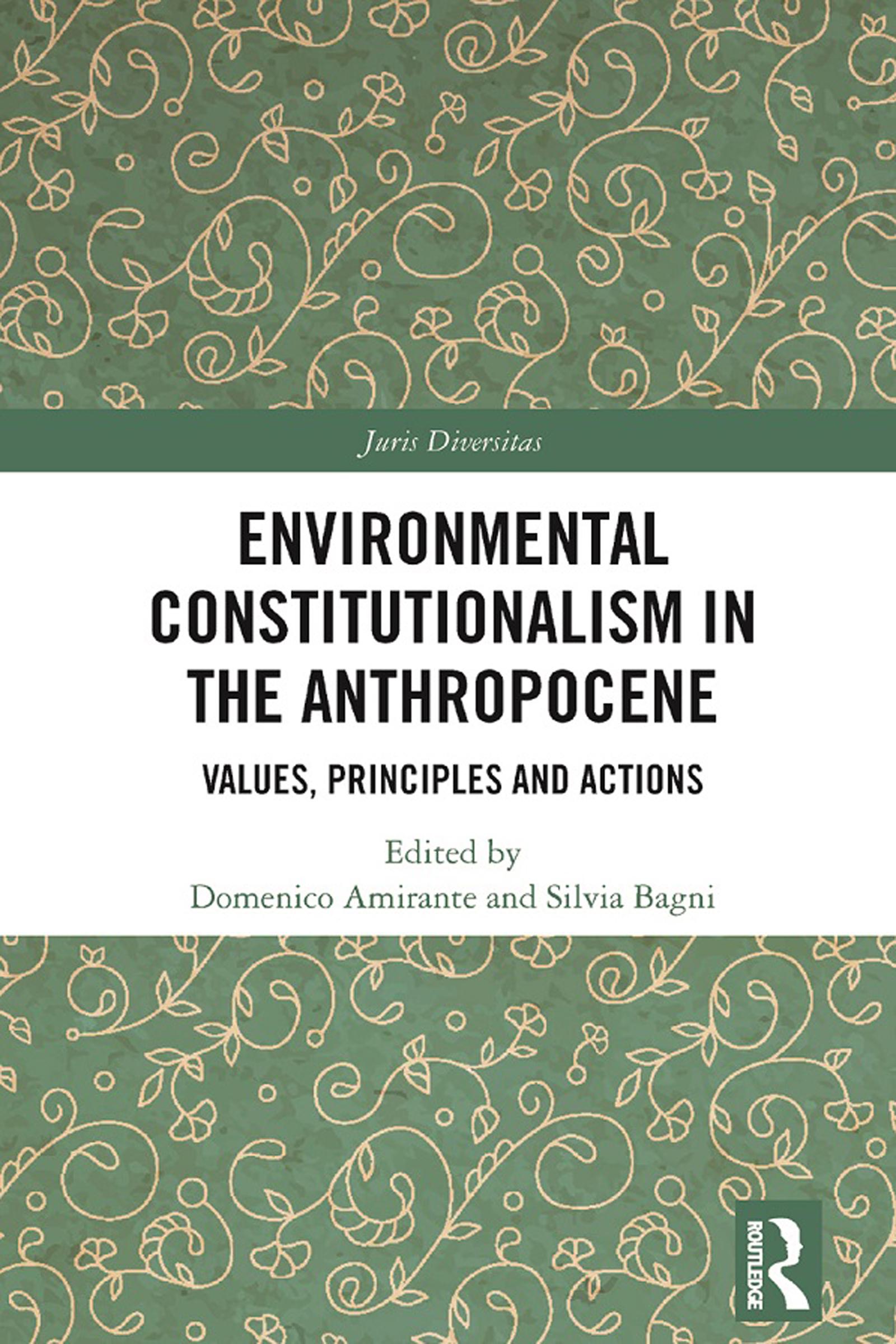
This book examines the relationship between man and nature through different cultural approaches to encourage new environmental legislation as a means of fostering acceptance at a local level.
In 2019, the International Union of Geological Sciences (IUGS) recognised that we have entered a new era, the Anthropocene, specifically characterised by the impact of one species, mankind, on environmental change. The Anthropocene is penetrating the discourse of both hard sciences and humanities and social sciences, by posing new epistemological as well as practical challenges to many disciplines. Legal sciences have so far been at the margins of this intellectual renewal, with few contributions on the central role that the notion of Anthropocene could play in forging a more effective and just environmental law. By applying a multidisciplinary approach and adopting a Law as Culture paradigm to the study of law, this book explores new paths of investigation and possible solutions to be applied. New perspectives for the constitutional framing of environmental policies, rights, and alternative methods for bottom-up participatory law-making and conflict resolution are investigated, showing that environmental justice is not just an option, but an objective within reach.
The book will be essential reading for students, academics, and policymakers in the areas of law, environmental studies and anthropology.
Betaal eenvoudig met kaart, Klarna, Apple Pay of Google Pay. Niet tevreden? Je hebt altijd 14 dagen bedenktijd. Lees meer in onze voorwaarden. Heb je vragen, mail ons dan via hello@memmo.org.
Memmo maakt studeren makkelijker – waar je ook bent ter wereld. Wij brengen je cursusboeken en slimme studietools samen op één plek: samenvattingen, quizzen, podcasts en flashcards. En Ted, je studievriend die antwoord geeft op alles wat je je afvraagt. Meer dan 50.000 studenten studeren hier al – gebouwd om je sneller te laten leren en minder stress te geven.