
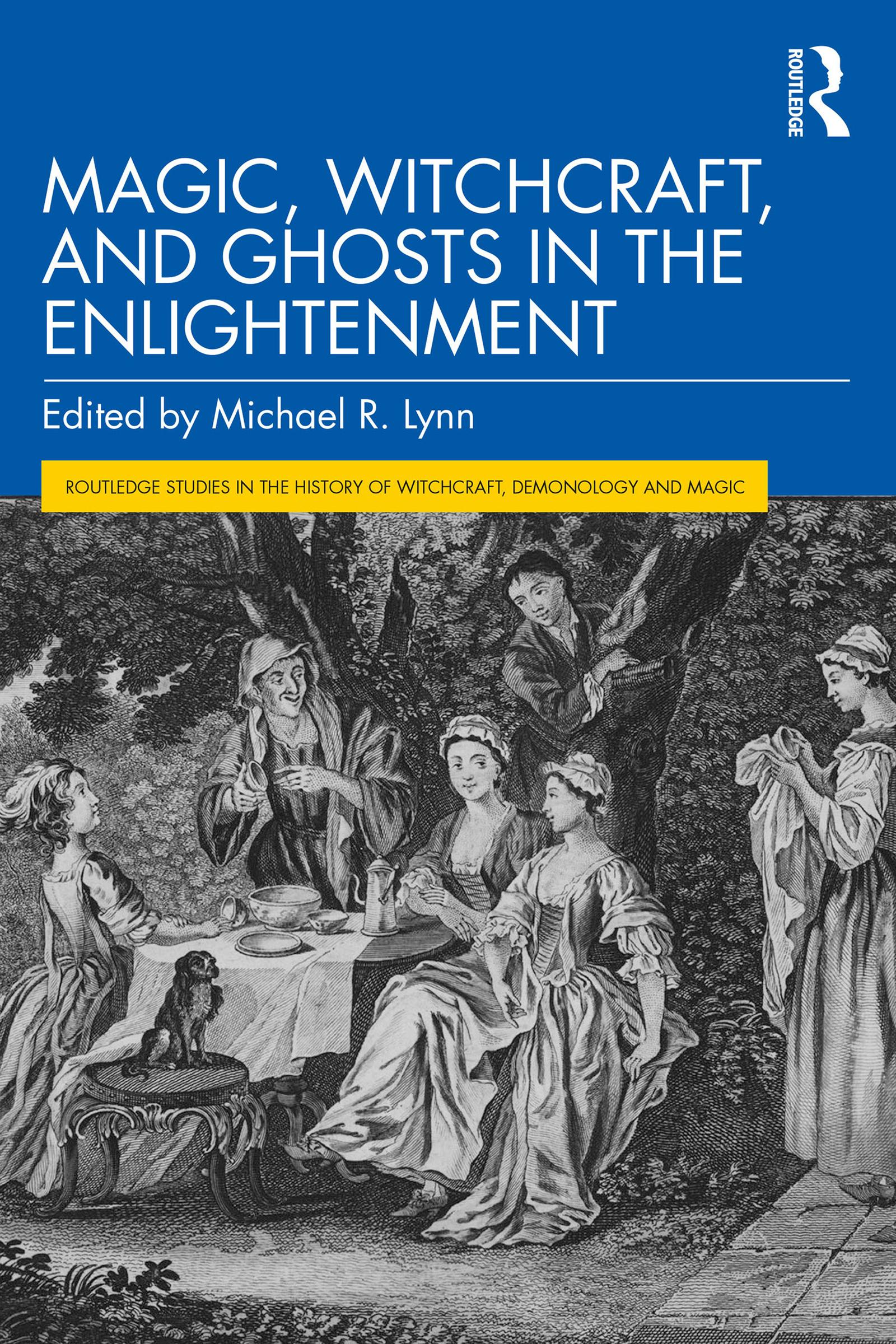
Magic, Witchcraft, and Ghosts in the Enlightenment argues for the centrality of magical practices and ideas throughout the long eighteenth century.
Although the hunt for witches in Europe declined precipitously after 1650, and the intellectual justification for natural magic came under fire by 1700, belief in magic among the general population did not come to a sudden stop. The philosophes continued to take aim at magical practices, alongside religion, as examples of superstitions that an enlightened age needed to put behind them. In addition to a continuity of beliefs and practices, the eighteenth century also saw improvement and innovation in magical ideas, the understanding of ghosts, and attitudes toward witchcraft. The volume takes a broad geographical approach and includes essays focusing on Great Britain (England and Ireland), France, Germany, and Hungary. It also takes a wide approach to the subject and includes essays on astrology, alchemy, witchcraft, cunning folk, ghosts, treasure hunters, and purveyors of magic.
With a broad chronological scope that ranges from the end of the seventeenth century to the early nineteenth century, this volume is useful for undergraduates, postgraduates, scholars, and those with a general interest in magic, witchcraft, and spirits in the Enlightenment.
Betaal eenvoudig met kaart, Klarna, Apple Pay of Google Pay. Niet tevreden? Je hebt altijd 14 dagen bedenktijd. Lees meer in onze voorwaarden. Heb je vragen, mail ons dan via hello@memmo.org.
Memmo maakt studeren makkelijker – waar je ook bent ter wereld. Wij brengen je cursusboeken en slimme studietools samen op één plek: samenvattingen, quizzen, podcasts en flashcards. En Ted, je studievriend die antwoord geeft op alles wat je je afvraagt. Meer dan 50.000 studenten studeren hier al – gebouwd om je sneller te laten leren en minder stress te geven.