
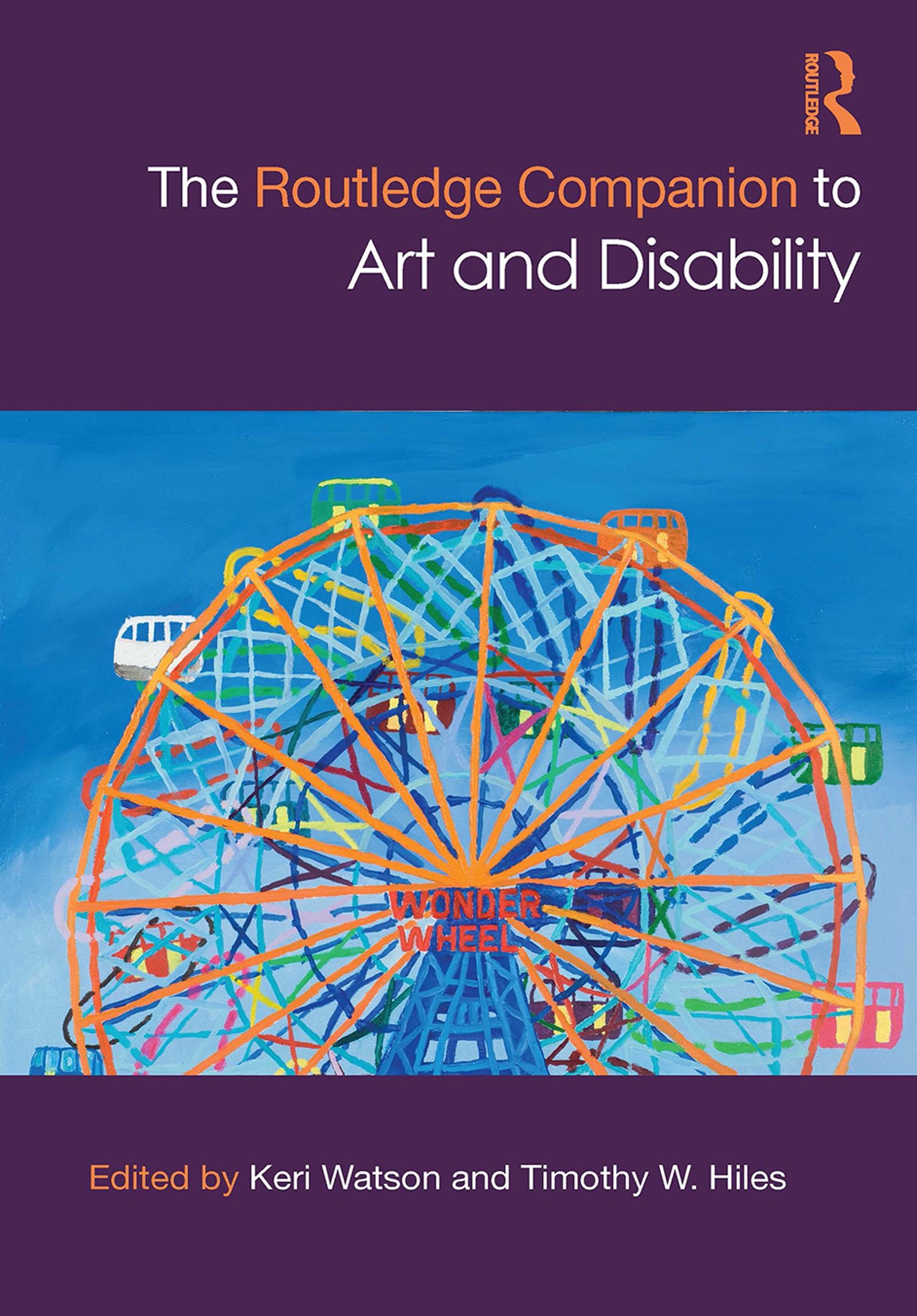
The Routledge Companion to Art and Disability explores disability in visual culture to uncover the ways in which bodily and cognitive differences are articulated physically and theoretically, and to demonstrate the ways in which disability is culturally constructed.
This companion is organized thematically and includes artists from across historical periods and cultures in order to demonstrate the ways in which disability is historically and culturally contingent. The book engages with questions such as: How are people with disabilities represented in art? How are notions of disability articulated in relation to ideas of normality, hybridity, and anomaly? How do artists use visual culture to affirm or subvert notions of the normative body? Contributors consider the changing role of disability in visual culture, the place of representations in society, and the ways in which disability studies engages with and critiques intersectional notions of gender, race, ethnicity, class, and sexuality.
This book will be particularly useful for scholars in art history, disability studies, visual culture, and museum studies.
Betaal eenvoudig met kaart, Klarna, Apple Pay of Google Pay. Niet tevreden? Je hebt altijd 14 dagen bedenktijd. Lees meer in onze voorwaarden. Heb je vragen, mail ons dan via hello@memmo.org.
Memmo maakt studeren makkelijker – waar je ook bent ter wereld. Wij brengen je cursusboeken en slimme studietools samen op één plek: samenvattingen, quizzen, podcasts en flashcards. En Ted, je studievriend die antwoord geeft op alles wat je je afvraagt. Meer dan 50.000 studenten studeren hier al – gebouwd om je sneller te laten leren en minder stress te geven.