
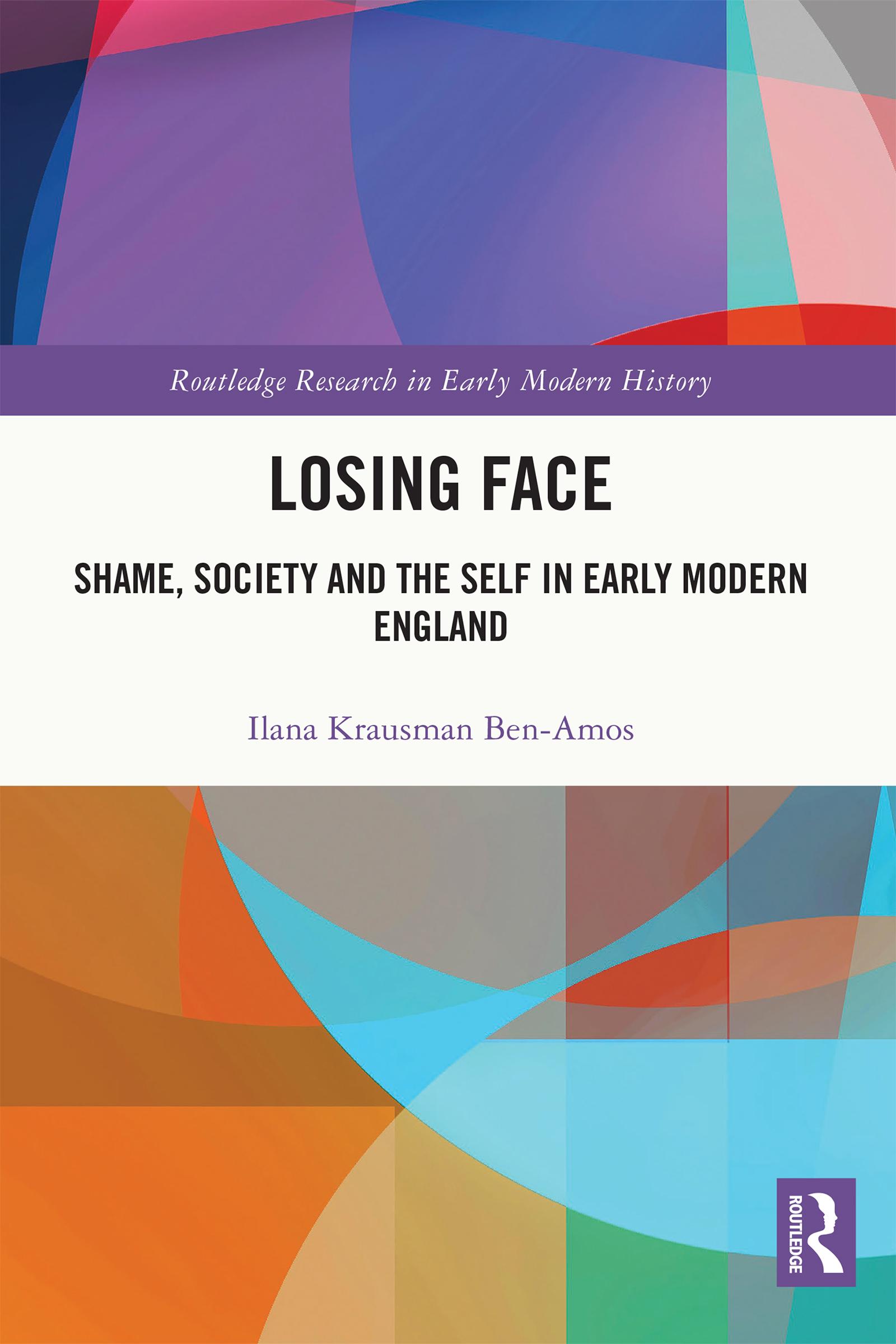
This book is a study of shame in English society in the two centuries between c.1550 and c.1750, demonstrating the ubiquity and powerful hold it had on contemporaries over the entire era. Using insights drawn from the social sciences, the book investigates multiple meanings and manifestations of shame in everyday lives and across private and public domains, exploring the practice and experience of shame in devotional life and family relations, amid social networks, and in communities or the public at large. The book pays close attention to variations and distinctive forms of shame, while also uncovering recurring patterns, a spectrum ranging from punitive, exclusionary and coercive shame through more conciliatory, lenient and inclusive forms. Placing these divergent forms in the context of the momentous social and cultural shifts that unfolded over the course of the era, the book challenges perceptions of the waning of shame in the transition from early modern to modern times, arguing instead that whereas some modes of shame diminished or disappeared, others remained vital, were reformulated and vastly enhanced.
Betaal eenvoudig met kaart, Klarna, Apple Pay of Google Pay. Niet tevreden? Je hebt altijd 14 dagen bedenktijd. Lees meer in onze voorwaarden. Heb je vragen, mail ons dan via hello@memmo.org.
Memmo maakt studeren makkelijker – waar je ook bent ter wereld. Wij brengen je cursusboeken en slimme studietools samen op één plek: samenvattingen, quizzen, podcasts en flashcards. En Ted, je studievriend die antwoord geeft op alles wat je je afvraagt. Meer dan 50.000 studenten studeren hier al – gebouwd om je sneller te laten leren en minder stress te geven.