
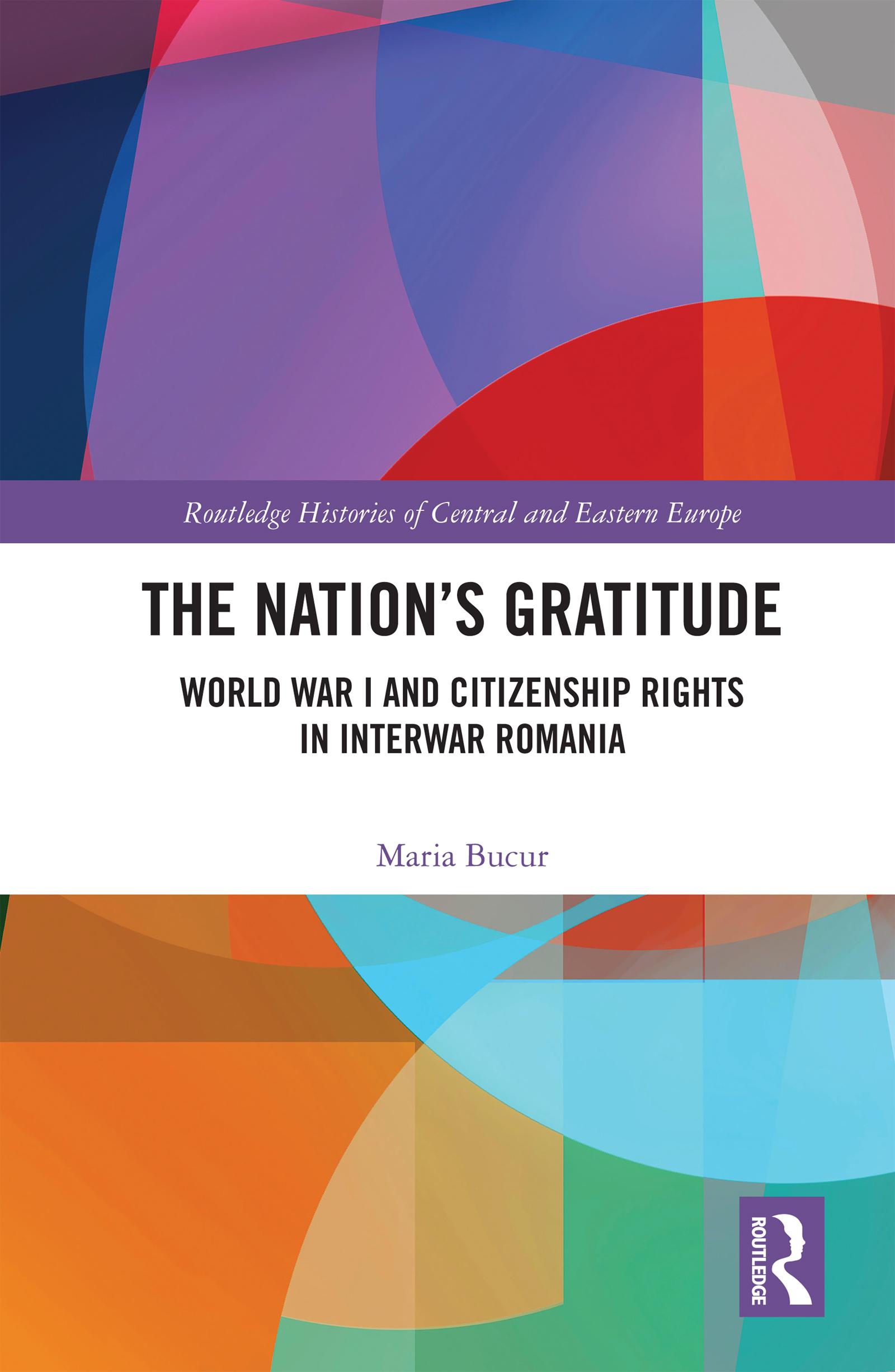
A pioneering work for the history of veterans’ rights in Romania, this study brings into focus the laws and policies the state developed in response to the unprecedented human losses in World War I. It features in lively and accessible language the varied responses of veterans, widows and orphans to those policies. The analysis emphasizes how ordinary citizens became educated about and used state institutions in ways that highlight the class, ethnic, religious and gender norms of the day. The book offers a vivid case study of how disability as a personal reality for many veterans became a point of policy making, a story that has seen little scholarly interest despite the enormous populations affected by these developments. Overall, the monograph shows how, in the postwar European states, citizenship as engaged practice was shaped by both government policies and the interpretation a large and varied group of beneficiaries gave to these policies. The analysis provides insights of great interest to scholars of these themes, while it offers examples of engaged citizenship useful for an undergraduate and nonspecialist audience.
Betaal eenvoudig met kaart, Klarna, Apple Pay of Google Pay. Niet tevreden? Je hebt altijd 14 dagen bedenktijd. Lees meer in onze voorwaarden. Heb je vragen, mail ons dan via hello@memmo.org.
Memmo maakt studeren makkelijker – waar je ook bent ter wereld. Wij brengen je cursusboeken en slimme studietools samen op één plek: samenvattingen, quizzen, podcasts en flashcards. En Ted, je studievriend die antwoord geeft op alles wat je je afvraagt. Meer dan 50.000 studenten studeren hier al – gebouwd om je sneller te laten leren en minder stress te geven.