
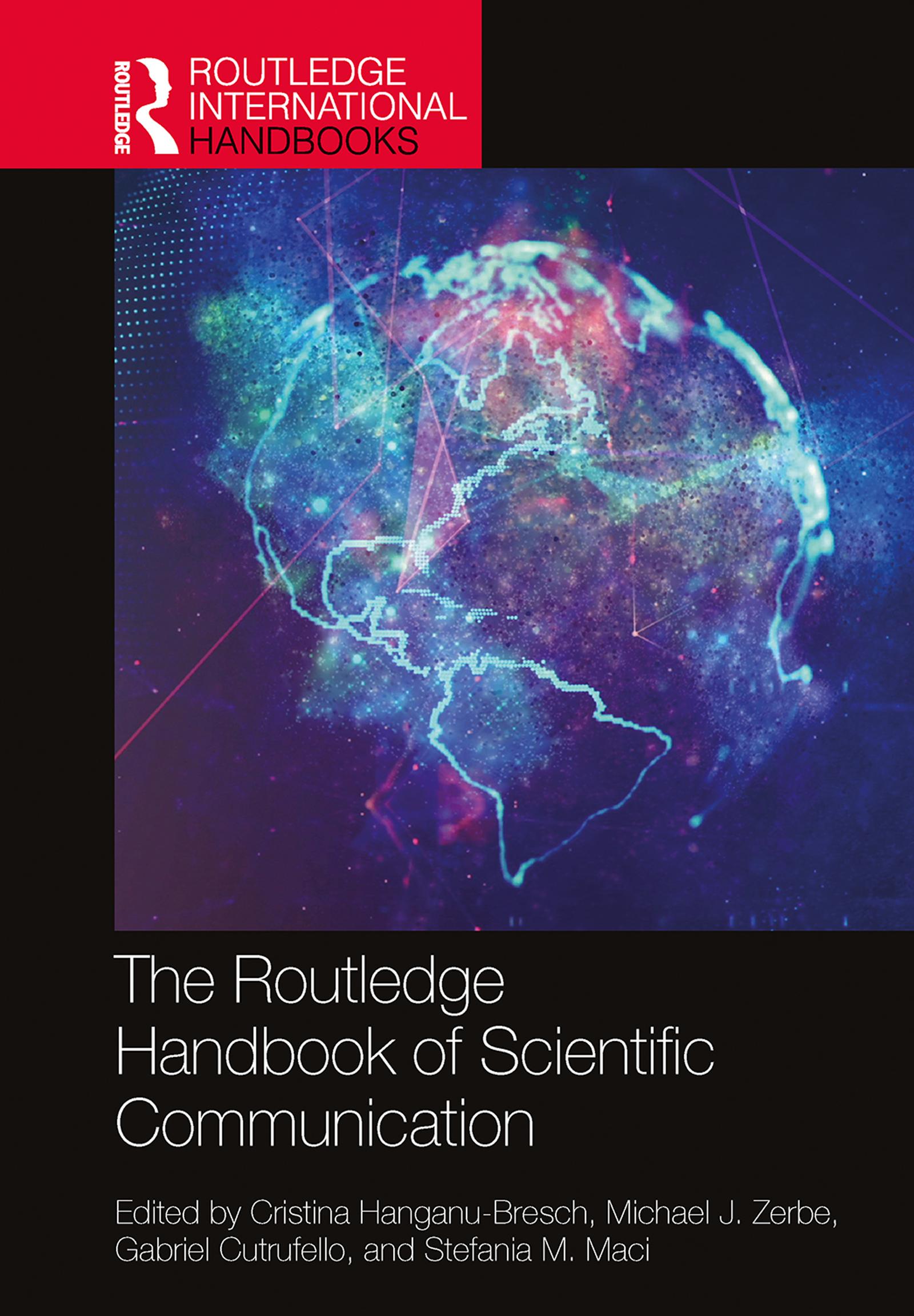
Given current science-related crises facing the world such as climate change, the targeting and manipulation of DNA, GMO foods, and vaccine denial, the way in which we communicate science matters is vital for current and future generations of scientists and publics.
The Routledge Handbook of Scientific Communication scrutinizes what we value, prioritize, and grapple with in science as highlighted by the rhetorical choices of scientists, students, educators, science gatekeepers, and lay commentators. Drawing on contributions from leading thinkers in the field, this volume explores some of the most pressing questions in this growing field of study, including:
- How do issues such as ethics, gender, race, shifts in the publishing landscape, and English as the lingua franca of science influence scientific communication practices?
- How have scientific genres evolved and adapted to current research and societal needs?
- How have scientific visuals developed in response to technological advances and communication needs?
- How is scientific communication taught to a variety of audiences?
Offering a critical look at the complex relationships that characterize current scientific communication practices in academia, industry, government, and elsewhere, this Handbook will be essential reading for students, scholars, and professionals involved in the study, practice, and teaching of scientific, medical, and technical communication.
Betaal eenvoudig met kaart, Klarna, Apple Pay of Google Pay. Niet tevreden? Je hebt altijd 14 dagen bedenktijd. Lees meer in onze voorwaarden. Heb je vragen, mail ons dan via hello@memmo.org.
Memmo maakt studeren makkelijker – waar je ook bent ter wereld. Wij brengen je cursusboeken en slimme studietools samen op één plek: samenvattingen, quizzen, podcasts en flashcards. En Ted, je studievriend die antwoord geeft op alles wat je je afvraagt. Meer dan 50.000 studenten studeren hier al – gebouwd om je sneller te laten leren en minder stress te geven.