
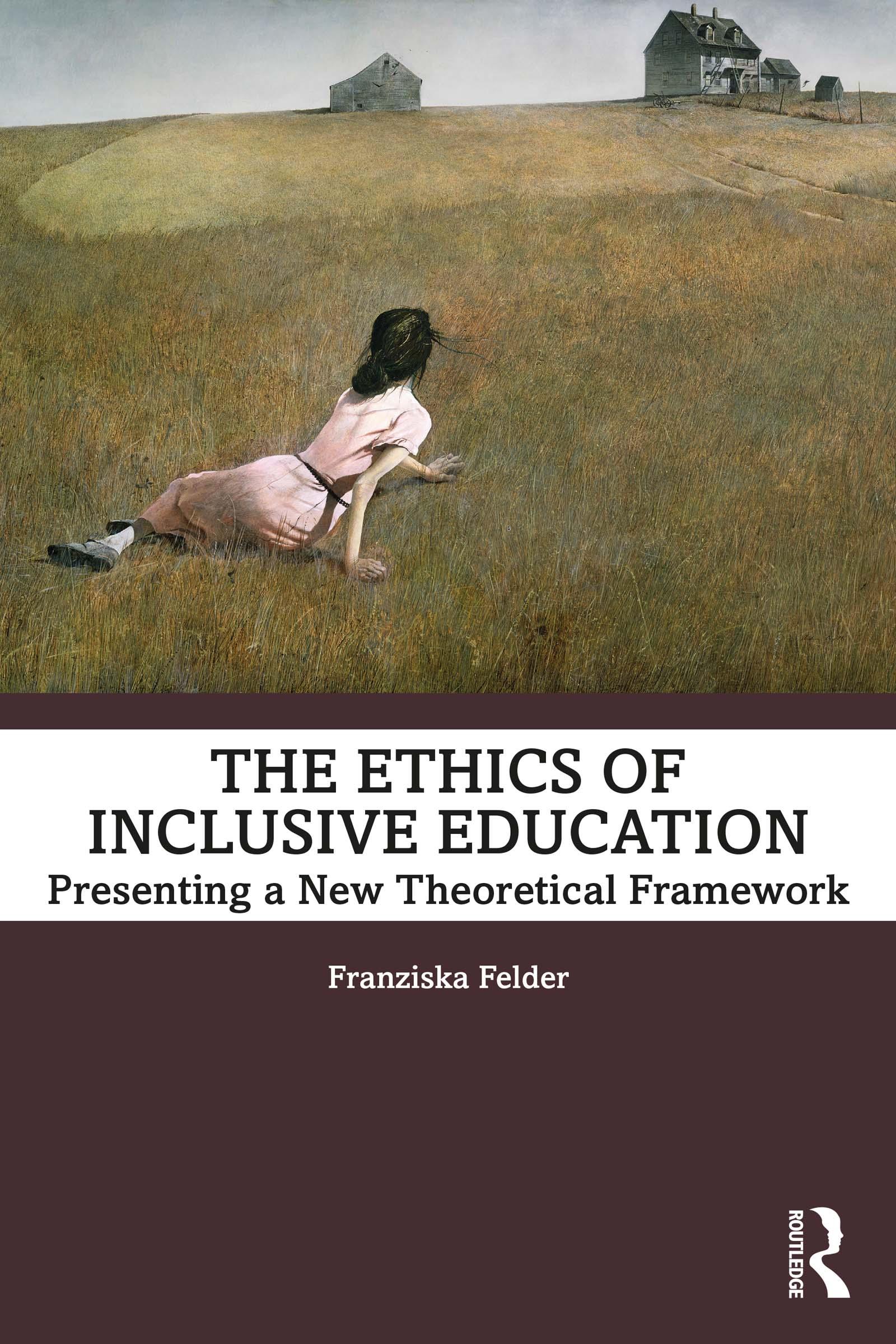
The Ethics of Inclusive Education clarifies the idea of inclusion and its normative content, and presents a coherent theoretical framework for inclusion and inclusive education. It serves as one of the first extended philosophical defenses in the field of inclusive education that goes beyond a simple assertion of educational value.
Integrating perspectives from the history, sociology and psychology of inclusive education, this book develops a holistic concept of inclusion, while clearly and systematically examining the ethical-normative content of inclusive education. It also offers:
- an interdisciplinary analysis of inclusion and inclusive schooling, ranging from historical to sociological analysis of their predecessors and preconditions, to the investigation of their philosophical and educational content,
- an in-depth analysis of the moral significance of exclusion, the value of inclusion and inclusive education from an analytical point of view, and
- practice-oriented investigations of the individual and social conditions for inclusion and inclusive education.
The Ethics of Inclusive Education serves researchers, practitioners and politicians, to make key educational decisions about how to understand, explore or realize inclusive educational aims, especially with respect to disability and special needs.
Betaal eenvoudig met kaart, Klarna, Apple Pay of Google Pay. Niet tevreden? Je hebt altijd 14 dagen bedenktijd. Lees meer in onze voorwaarden. Heb je vragen, mail ons dan via hello@memmo.org.
Memmo maakt studeren makkelijker – waar je ook bent ter wereld. Wij brengen je cursusboeken en slimme studietools samen op één plek: samenvattingen, quizzen, podcasts en flashcards. En Ted, je studievriend die antwoord geeft op alles wat je je afvraagt. Meer dan 50.000 studenten studeren hier al – gebouwd om je sneller te laten leren en minder stress te geven.