
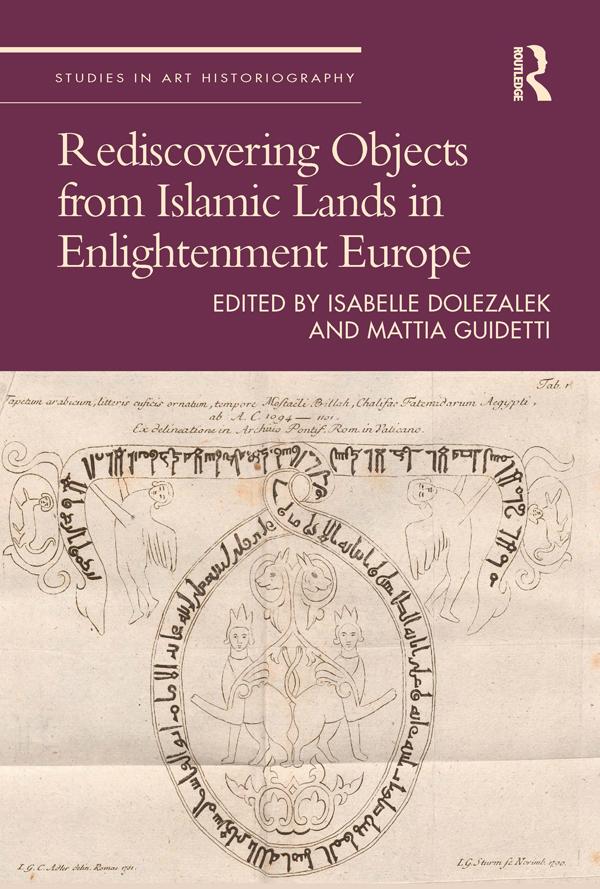
This book argues that the provenance of early modern and medieval objects from Islamic lands was largely forgotten until the "long" eighteenth century, when the first efforts were made to reconnect them with the historical contexts in which they were produced.
For the first time, these Islamicate objects were read, studied and classified – and given a new place in history. Freed by scientific interest, they were used in new ways and found new homes, including in museums. More generally, the process of "rediscovery" opened up the prehistory of the discipline of Islamic art history and had a significant impact on conceptions of cultural boundaries, differences and identity.
The book will be of interest to scholars working in the history of art, the art of the Islamic world, early modern history and art historiography.
Betaal eenvoudig met kaart, Klarna, Apple Pay of Google Pay. Niet tevreden? Je hebt altijd 14 dagen bedenktijd. Lees meer in onze voorwaarden. Heb je vragen, mail ons dan via hello@memmo.org.
Memmo maakt studeren makkelijker – waar je ook bent ter wereld. Wij brengen je cursusboeken en slimme studietools samen op één plek: samenvattingen, quizzen, podcasts en flashcards. En Ted, je studievriend die antwoord geeft op alles wat je je afvraagt. Meer dan 50.000 studenten studeren hier al – gebouwd om je sneller te laten leren en minder stress te geven.