
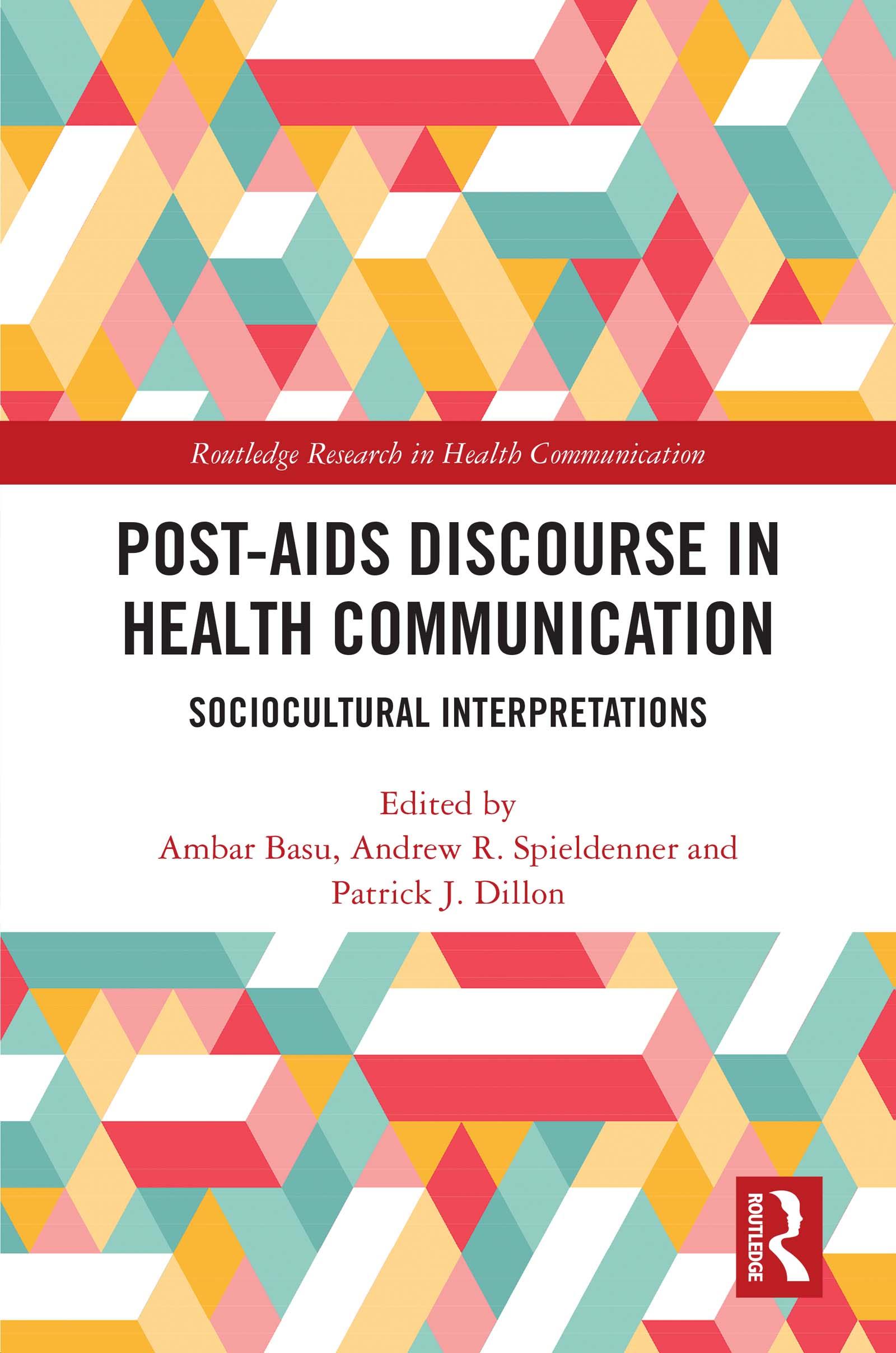
This book examines the discourse of a "post-AIDS" culture, and the medical-discursive shift from crisis and death to survival and living. Contributions from a diverse group of international scholars interrogate and engage with the cultural, social, political, scientific, historical, global, and local consumptions of the term "post-AIDS" from the perspective of meaning-making on health, illness, and well-being.
The chapters critique and connect meanings of "post-AIDS" to topics such as neoliberalism; race, gender, and advocacy; disclosure; relationships and intimacy; stigma and structural violence; family and community; migration; work; survival; normativity; NGOs, transnational organizations; aging and end-of-life care; the politics of ART and PrEP; mental illness; campaigns; social media; and religion. Using a range of methodological tools, the scholarship herein asks how "post-AIDS" or the "End of the Epidemic" is communicated and made sense of in everyday discourse, what current meanings are circulated and consumed on and around HIV and AIDS, and provides thorough commentary and critique of a "post-AIDS" time.
This book will be an essential read for scholars and students of health communication, sociology of health and illness, medical humanities, political science, and medical anthropology, as well as for policy makers and activists.
Betaal eenvoudig met kaart, Klarna, Apple Pay of Google Pay. Niet tevreden? Je hebt altijd 14 dagen bedenktijd. Lees meer in onze voorwaarden. Heb je vragen, mail ons dan via hello@memmo.org.
Memmo maakt studeren makkelijker – waar je ook bent ter wereld. Wij brengen je cursusboeken en slimme studietools samen op één plek: samenvattingen, quizzen, podcasts en flashcards. En Ted, je studievriend die antwoord geeft op alles wat je je afvraagt. Meer dan 50.000 studenten studeren hier al – gebouwd om je sneller te laten leren en minder stress te geven.