
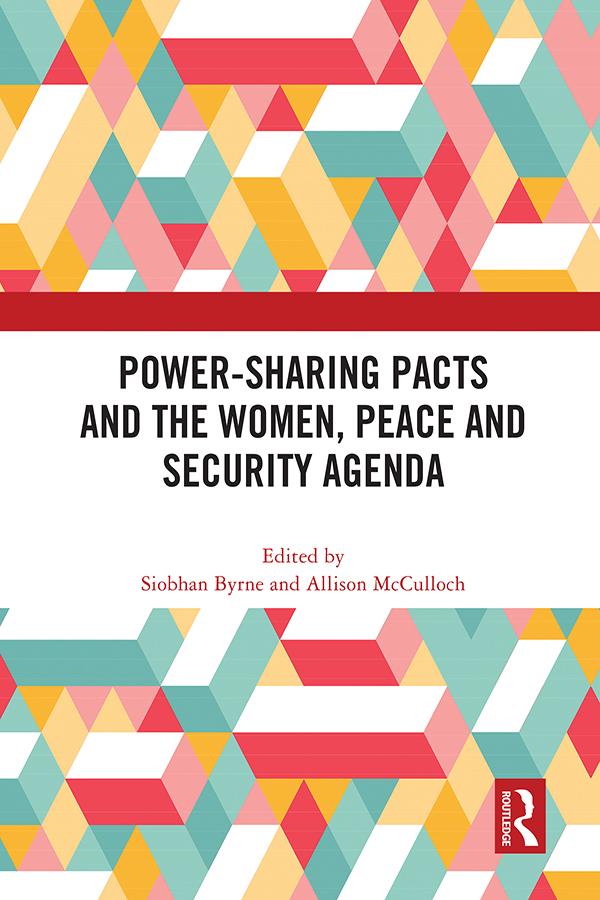
This book offers a comparative lens on the contested relationship between two leading conflict resolution norms: ethnopolitical power-sharing pacts and the women, peace and security (WPS) agenda.
Championed by national governments and international organizations over the last two decades, power-sharing and feminist scholars and practitioners tend to view them as opposing norms. Critics charge that power-sharing scholars cast gender as an inconsequential political identity that does not motivate people like ethnonationalism. From a feminist perspective, such thinking serves the interests of ethnicized elites while excluding women and other marginalized communities from key sites of political power. This edited volume takes a different tack: while recognizing the gender gaps that still exist in power-sharing theory and practice, contributors also emphasize the constructive engagements that can be built between ethnopolitical power-sharing and gender inclusion.
Three main themes are highlighted:
- The ‘gender silences’ of existing power-sharing arrangements
- The impact of gender activism and advocacy on the negotiation and implementation of power-sharing pacts in divided societies
- The opportunities for linkages between power-sharing and the women, peace and security agenda.
The chapters in this book were originally published as a special issue of the journal Nationalism and Ethnic Politics.
Betaal eenvoudig met kaart, Klarna, Apple Pay of Google Pay. Niet tevreden? Je hebt altijd 14 dagen bedenktijd. Lees meer in onze voorwaarden. Heb je vragen, mail ons dan via hello@memmo.org.
Memmo maakt studeren makkelijker – waar je ook bent ter wereld. Wij brengen je cursusboeken en slimme studietools samen op één plek: samenvattingen, quizzen, podcasts en flashcards. En Ted, je studievriend die antwoord geeft op alles wat je je afvraagt. Meer dan 50.000 studenten studeren hier al – gebouwd om je sneller te laten leren en minder stress te geven.