
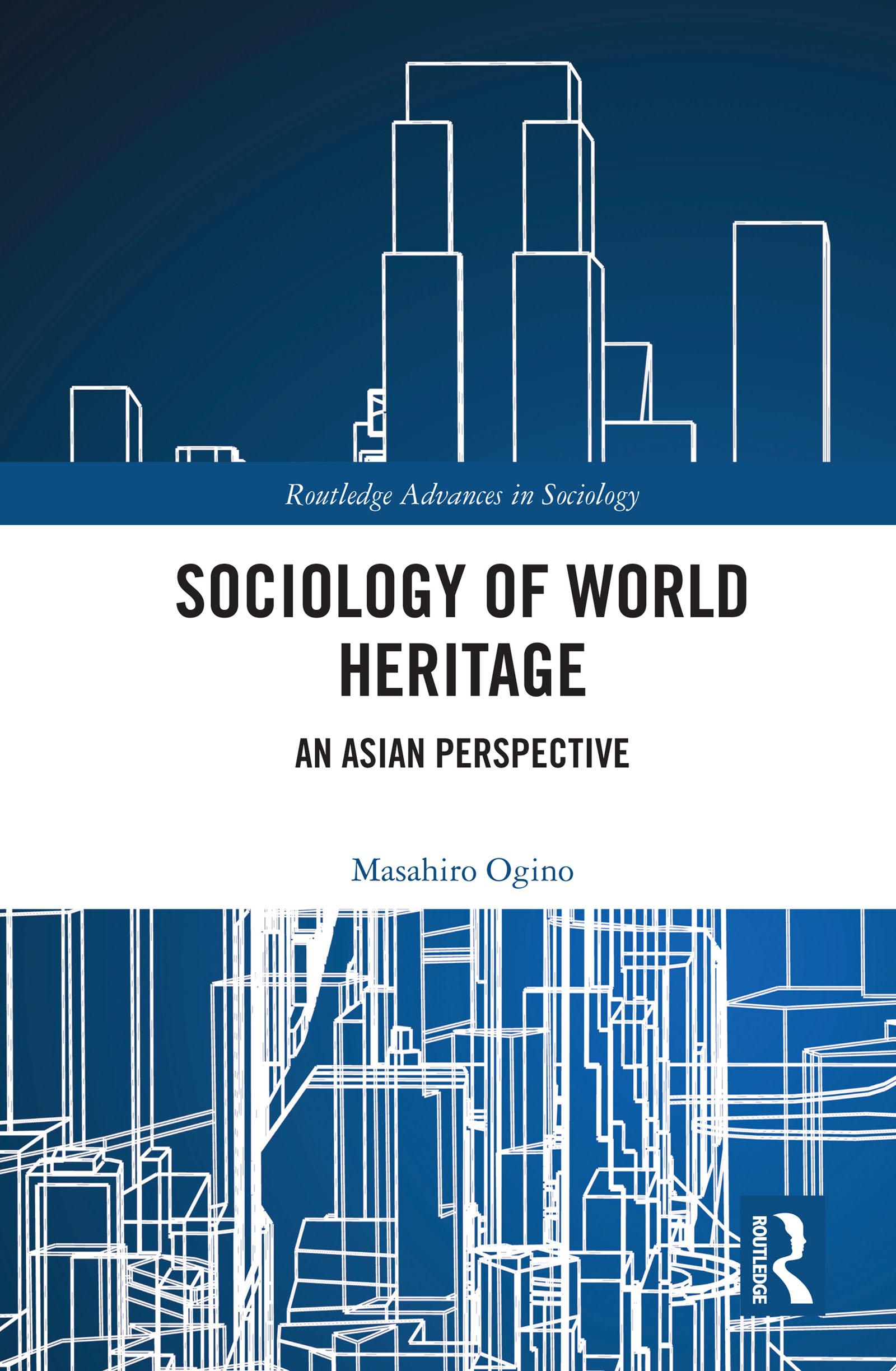
Taking mainly Japanese and other Asian case studies as examples, Ogino examines the motivations behind the preservation of objects and sites considered to be of cultural significance.
Using mainly the perspectives of Japanese approaches to cultural heritage, the book critiques the European logic of cultural heritage enshrined by UNESCO. It contrasts a Western emphasis on monuments and sites, with an Asian emphasis on more intangible forms of heritage, which place less emphasis on a linear view of time. More practically, the authors also analyse the positive and negative impacts that UNESCO-listed status has had on sites in Asia, including Angkor Wat, Nagasaki, and Lijiang. Finally, they address fundamental questions about who gets to decide what counts as cultural heritage, and what the underlying rationale is for actively preserving heritage in the first place.
This books is a thoughtful and provocative analysis of issues that will be of interest to sociologists, as well as scholars and students of cultural heritage.
Betaal eenvoudig met kaart, Klarna, Apple Pay of Google Pay. Niet tevreden? Je hebt altijd 14 dagen bedenktijd. Lees meer in onze voorwaarden. Heb je vragen, mail ons dan via hello@memmo.org.
Memmo maakt studeren makkelijker – waar je ook bent ter wereld. Wij brengen je cursusboeken en slimme studietools samen op één plek: samenvattingen, quizzen, podcasts en flashcards. En Ted, je studievriend die antwoord geeft op alles wat je je afvraagt. Meer dan 50.000 studenten studeren hier al – gebouwd om je sneller te laten leren en minder stress te geven.