
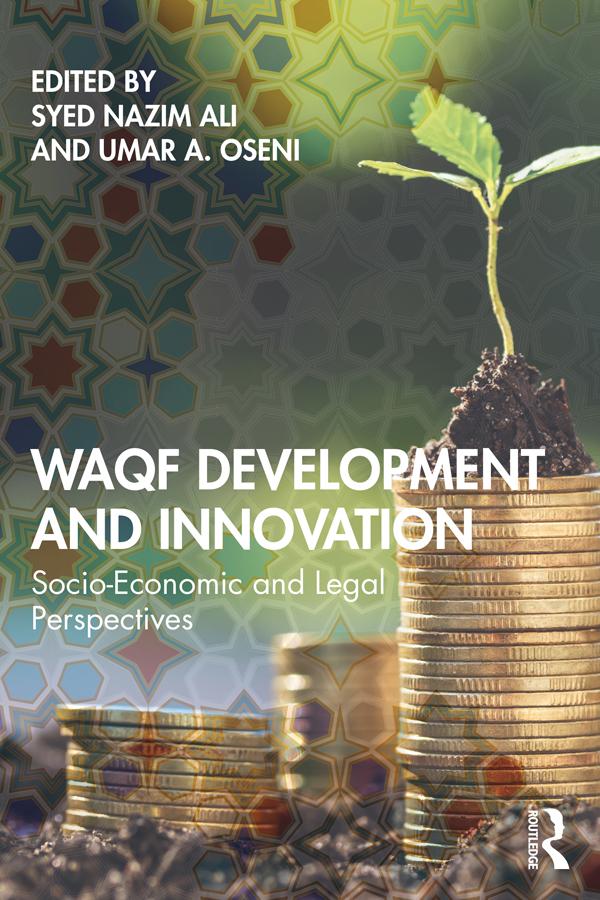
Waqf is one of the most potent socio-economic tools for reducing public sector deficit and breaking the chain of intergenerational poverty. Providing a high-level discussion on waqf development and innovation within the context of modern socio-economic and legal developments, this book examines the importance and potentials of waqf and the issues relating to its legal and regulatory framework.
The research delivers future directions for countries that plan to explore this socio-economic institution. Readers and policymakers will be able to replicate successful experiments and learn from some failed initiatives to seek alternative funding platforms to support the fiscal policies of developing countries. The volume discusses the relevance and novel application of waqf in the modern economic system and social development, it reviews applicable laws and regulations pertaining to waqf and trust laws and examines critical, cross-country case studies and experiences.
Setting an agenda for further researchers in the field of waqf, this comprehensive high-level analysis, with case studies from leading jurisdictions across the world, is a key resource for researchers, policymakers and institutions interested in charitable endowments, Islamic finance, and social finance.
Betaal eenvoudig met kaart, Klarna, Apple Pay of Google Pay. Niet tevreden? Je hebt altijd 14 dagen bedenktijd. Lees meer in onze voorwaarden. Heb je vragen, mail ons dan via hello@memmo.org.
Memmo maakt studeren makkelijker – waar je ook bent ter wereld. Wij brengen je cursusboeken en slimme studietools samen op één plek: samenvattingen, quizzen, podcasts en flashcards. En Ted, je studievriend die antwoord geeft op alles wat je je afvraagt. Meer dan 50.000 studenten studeren hier al – gebouwd om je sneller te laten leren en minder stress te geven.