
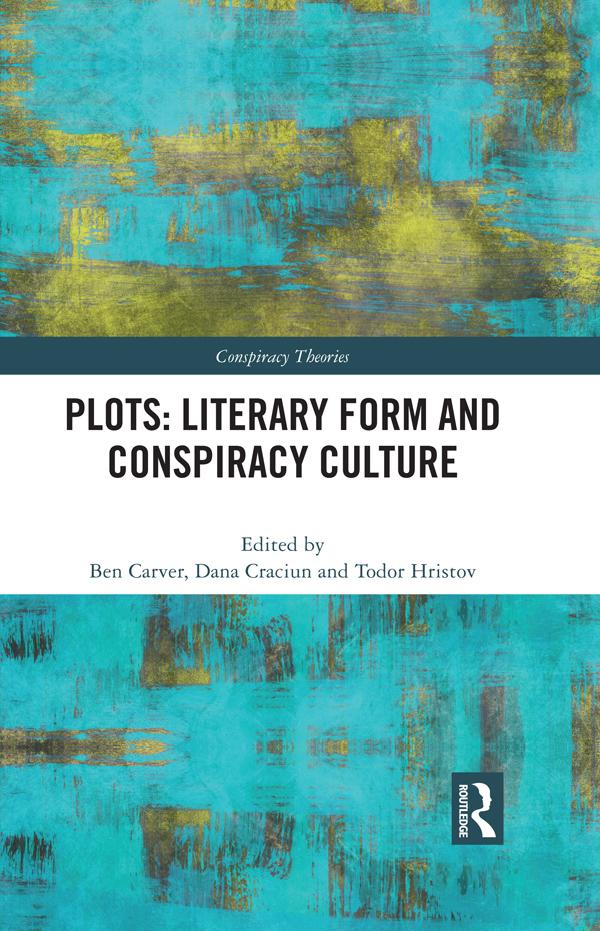
This edited collection contributes to the study of conspiracy culture by analysing the relationship of literary forms to the formation, reception, and transformation of conspiracy theories.
Conspiracy theories are narratives, and their narrative form provides the structure within which their ‘readers’ situate themselves when interpreting the world and its history. At the same time, conspiracist interpretations of the world may then be transmediated into works of literature and import popular discourse into narrative structures. The suppression and disappearance of books themselves may generate conspiracy theories and become co-opted into political dissent. Additionally, literary criticism itself is shown to adopt conspiracist modes of interpretation. By examining conspiracy plots as literary plots, with narrative, rhetorical, and symbolic characteristics, this volume is the first systematic study of how conspiracy culture in American and European history is the consequence of its interactions with literature.
This book will be of great interest to researchers of conspiracy theories, literature, and literary criticism.
Betaal eenvoudig met kaart, Klarna, Apple Pay of Google Pay. Niet tevreden? Je hebt altijd 14 dagen bedenktijd. Lees meer in onze voorwaarden. Heb je vragen, mail ons dan via hello@memmo.org.
Memmo maakt studeren makkelijker – waar je ook bent ter wereld. Wij brengen je cursusboeken en slimme studietools samen op één plek: samenvattingen, quizzen, podcasts en flashcards. En Ted, je studievriend die antwoord geeft op alles wat je je afvraagt. Meer dan 50.000 studenten studeren hier al – gebouwd om je sneller te laten leren en minder stress te geven.