
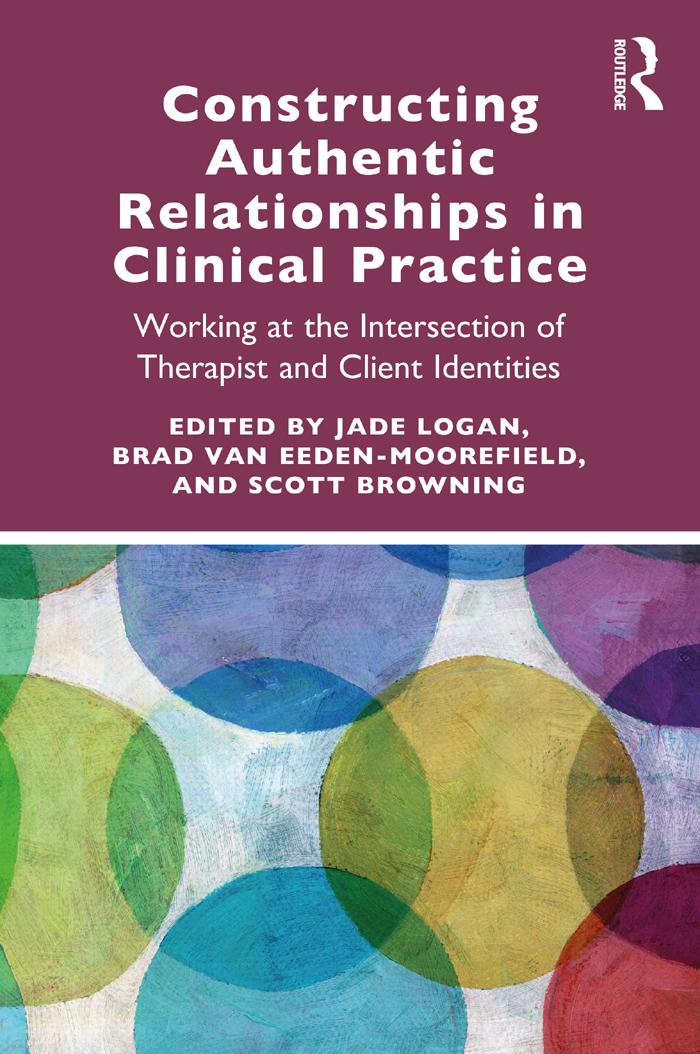
This essential text explores the intersectionality of the self in therapeutic practice, bringing together theoretical foundations and practical implications to provide clear guidance for students and practitioners.
Bringing together a collection of insightful and experienced clinicians, this book examines the ways in which intersectionality influences all phases of clinical and supervisory work, from outreach, assessment, and through to termination. Integrating research with clinical practice, chapters not only examine the theoretical, intersectional location of the self for the therapist, client, or supervisee, but they also consider how this social identity effects the therapeutic process and, crucially, work with clients. The book includes first-hand accounts, case studies, and reflections to demonstrate how interactions are influenced by gender, race, and sexuality, offering practical ideas about how to work intentionally and ethically with clients.
Engaging, informative, and practical, this book is essential reading for students, supervisors, family, marriage, and couple therapists, and clinical social workers who want to work confidently with a range of clients, as well as clinical professionals interested in the role of intersectionality in their work.
Betaal eenvoudig met kaart, Klarna, Apple Pay of Google Pay. Niet tevreden? Je hebt altijd 14 dagen bedenktijd. Lees meer in onze voorwaarden. Heb je vragen, mail ons dan via hello@memmo.org.
Memmo maakt studeren makkelijker – waar je ook bent ter wereld. Wij brengen je cursusboeken en slimme studietools samen op één plek: samenvattingen, quizzen, podcasts en flashcards. En Ted, je studievriend die antwoord geeft op alles wat je je afvraagt. Meer dan 50.000 studenten studeren hier al – gebouwd om je sneller te laten leren en minder stress te geven.