
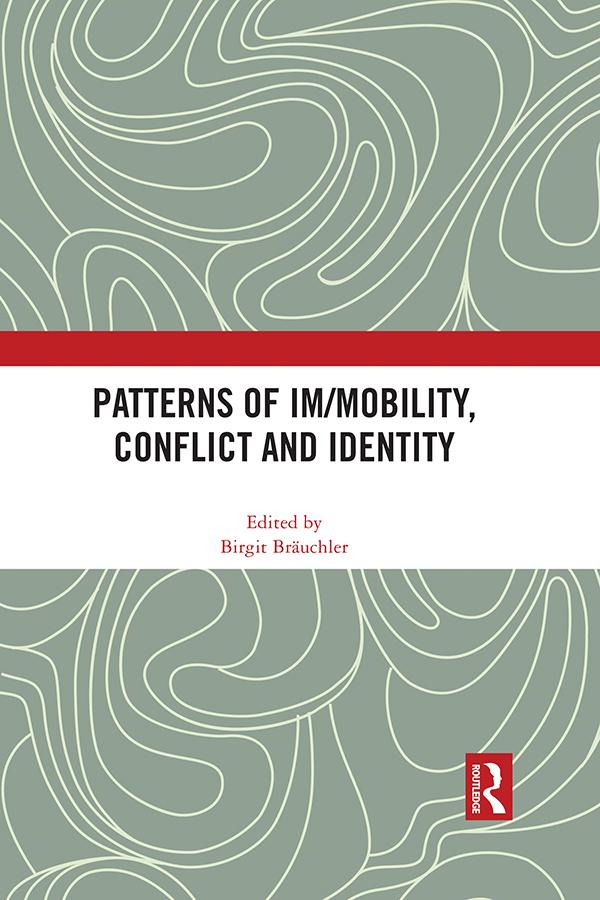
Patterns of im/mobility, collective identity and conflict are highly entangled. The im/mobility of a social or cultural group has major impact on how identity narratives, a sense of belonging and relationships to ‘others’ are shaped, and vice versa. These dynamics are closely interlinked with mechanisms of inclusion and exclusion between groups and power structures that involve a broad variety of actors from local populations, to migrants, government institutions and other intermediaries.
Mainly looking at patterns of internal mobility such as ‘traditional’ or strategic mobilities and mobilities enforced by crisis, conflict or governmental programmes and regimes, this book aims to go beyond currently predominant issues of transnational migration. Dynamics of non/integration and belonging, caused by im/mobility, are analysed on a cultural and political level, which involves questions of representation, indigeneity/autochthony, political rights and access to land and other resources. With ethnographic case studies from Kosovo, Sierra Leone, Liberia, Bangladesh, East Timor and Indonesia, this volume provides a comparative perspective on the multifold dimensions of im/mobility in contexts where changing mechanisms of inclusion and exclusion trigger or settle conflicts and social identities are constantly re/negotiated.
The chapters in this book were originally published as a special issue of Social Identities.
Betaal eenvoudig met kaart, Klarna, Apple Pay of Google Pay. Niet tevreden? Je hebt altijd 14 dagen bedenktijd. Lees meer in onze voorwaarden. Heb je vragen, mail ons dan via hello@memmo.org.
Memmo maakt studeren makkelijker – waar je ook bent ter wereld. Wij brengen je cursusboeken en slimme studietools samen op één plek: samenvattingen, quizzen, podcasts en flashcards. En Ted, je studievriend die antwoord geeft op alles wat je je afvraagt. Meer dan 50.000 studenten studeren hier al – gebouwd om je sneller te laten leren en minder stress te geven.