
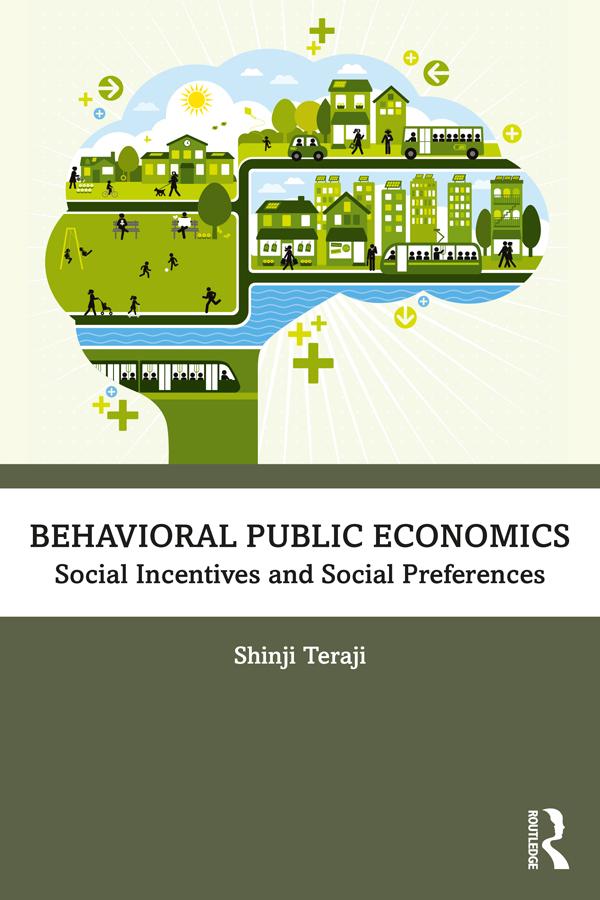
Behavioral Public Economics shows how standard public economics can be improved using insights from behavioral economics. Public economics typically lists four market failures that may justify government intervention in markets—imperfect competition (or natural monopoly), externalities, public goods, and asymmetric information. Under the rational choice paradigm (‘agents choose what is best for them’), public economics has examined the welfare effects of policy. Recent research in behavioral economics highlights a fifth market failure—individuals may make mistakes in pursuing their own well-being. This book calls for a rethinking of assumptions of individual behavior and provides a good foundation for public economic theory.
Key features:
- Introduces behavioral perspectives into public economics.
- Explains why economic incentives often undermine social preferences.
- Reveals that social incentives matter for public policy.
This book will be an invaluable resource for researchers and postgraduate students in public economics, behavioral economics, and public policy.
Betaal eenvoudig met kaart, Klarna, Apple Pay of Google Pay. Niet tevreden? Je hebt altijd 14 dagen bedenktijd. Lees meer in onze voorwaarden. Heb je vragen, mail ons dan via hello@memmo.org.
Memmo maakt studeren makkelijker – waar je ook bent ter wereld. Wij brengen je cursusboeken en slimme studietools samen op één plek: samenvattingen, quizzen, podcasts en flashcards. En Ted, je studievriend die antwoord geeft op alles wat je je afvraagt. Meer dan 50.000 studenten studeren hier al – gebouwd om je sneller te laten leren en minder stress te geven.