
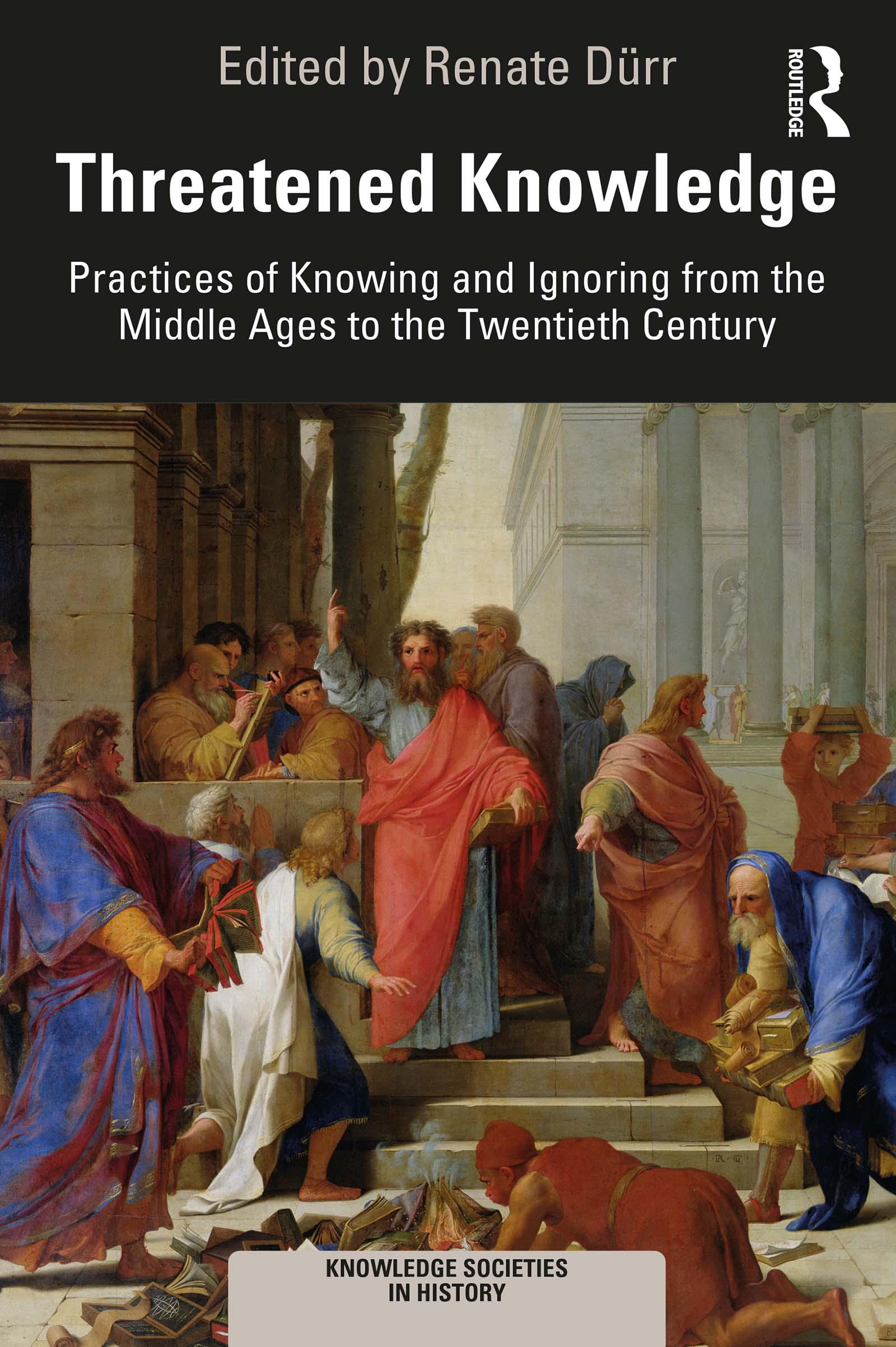
Threatened Knowledge discusses the practices of knowing, not-knowing, and not wanting to know from the Middle Ages to the twentieth century.
In times of "fake news", processes of forgetting and practices of non-knowledge have sparked the interest of historical and sociological research. The common ground between all the contributions in this volume is the assumption that knowledge does not simply increase over time and thus supplant phases of not-knowing. Moreover, the contributions show that knowing and not-knowing function in very similar ways, which means they can be analysed along similar methodological lines. Given the implied juxtaposition between emotions and rational thinking, the role of emotions in the process of knowledge production has often been trivialized in more traditional approaches to the subject. Through a broad geographical and chronological approach, spanning from prognostic texts in the Carolingian period to stock market speculation in early-twentieth-century United States, this volume demonstrates the important role of emotions in the history of science.
By bringing together cultural historians of knowledge, emotions, finance, and global intellectual history, Threatened Knowledge is a useful tool for all students and scholars of the history of knowledge and science on a global scale.
Betaal eenvoudig met kaart, Klarna, Apple Pay of Google Pay. Niet tevreden? Je hebt altijd 14 dagen bedenktijd. Lees meer in onze voorwaarden. Heb je vragen, mail ons dan via hello@memmo.org.
Memmo maakt studeren makkelijker – waar je ook bent ter wereld. Wij brengen je cursusboeken en slimme studietools samen op één plek: samenvattingen, quizzen, podcasts en flashcards. En Ted, je studievriend die antwoord geeft op alles wat je je afvraagt. Meer dan 50.000 studenten studeren hier al – gebouwd om je sneller te laten leren en minder stress te geven.