
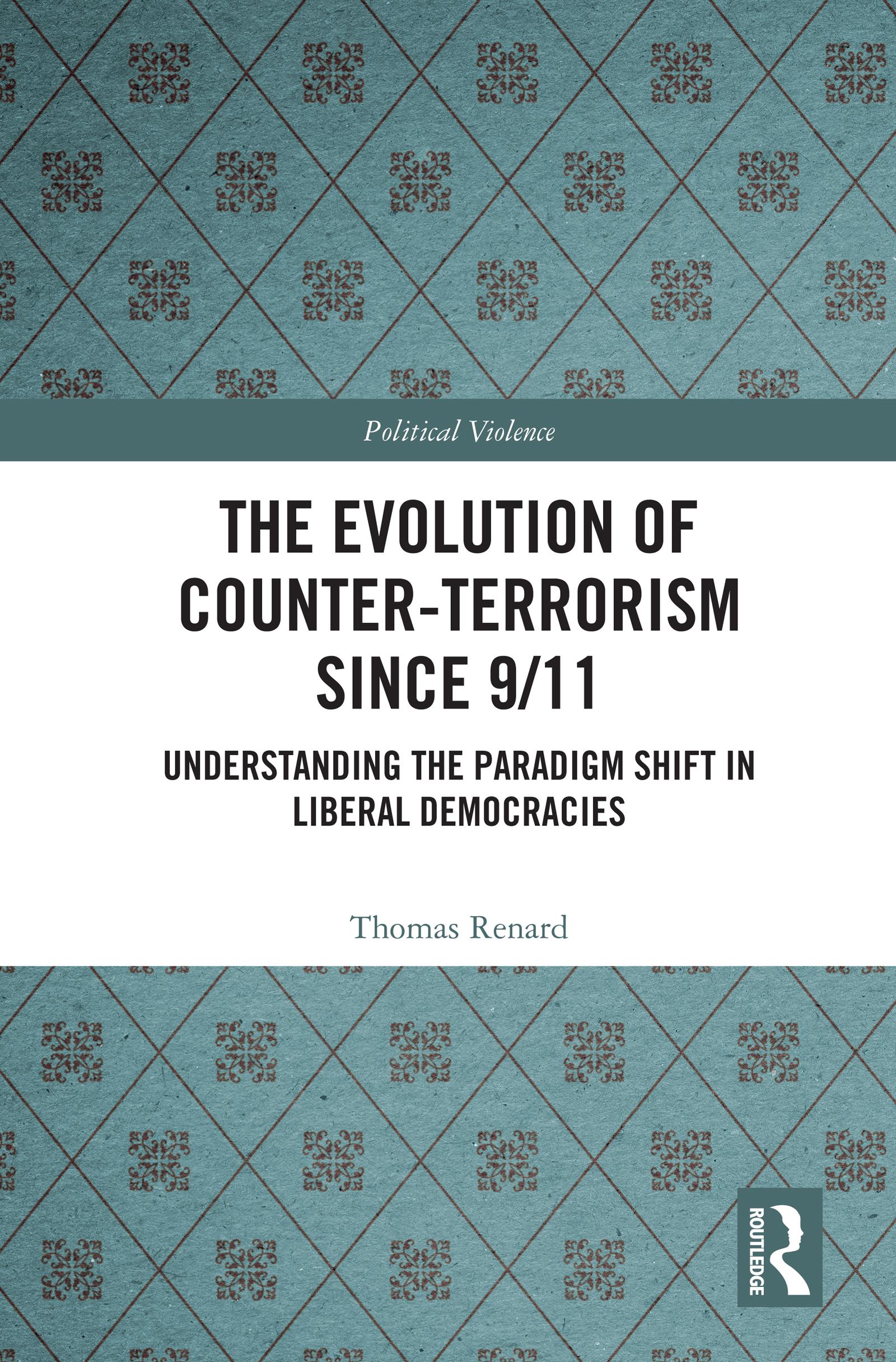
This book examines the evolution of counter-terrorism (CT) policies in liberal democracies since 2001, with a specific focus on the case of Belgium.
What is counter-terrorism (CT)? While the answer to this question may seem self-evident, it has become quite complicated to define the contours of a field that has expanded dramatically in the two decades since the 9/11 attacks. The development of "softer" policies, dealing with the prevention of radicalisation, has blurred the limits of CT.
Through the use of public policy theory and an in-depth case study on Belgium, the book identifies the key factors influencing CT policy-making, both domestically and internationally, and offers an explanation for the development of a more comprehensive CT agenda across Europe. It provides an innovative theoretical approach and is also based on extensive interviews with key counter-terrorism officials and analysis of key policy documents. The book concludes by identifying some key drivers of change and offers an embryonic theory of CT policy-making.
The book will be of much interest to students and practitioners of counter-terrorism, radicalisation, European politics and security studies.
Betaal eenvoudig met kaart, Klarna, Apple Pay of Google Pay. Niet tevreden? Je hebt altijd 14 dagen bedenktijd. Lees meer in onze voorwaarden. Heb je vragen, mail ons dan via hello@memmo.org.
Memmo maakt studeren makkelijker – waar je ook bent ter wereld. Wij brengen je cursusboeken en slimme studietools samen op één plek: samenvattingen, quizzen, podcasts en flashcards. En Ted, je studievriend die antwoord geeft op alles wat je je afvraagt. Meer dan 50.000 studenten studeren hier al – gebouwd om je sneller te laten leren en minder stress te geven.