
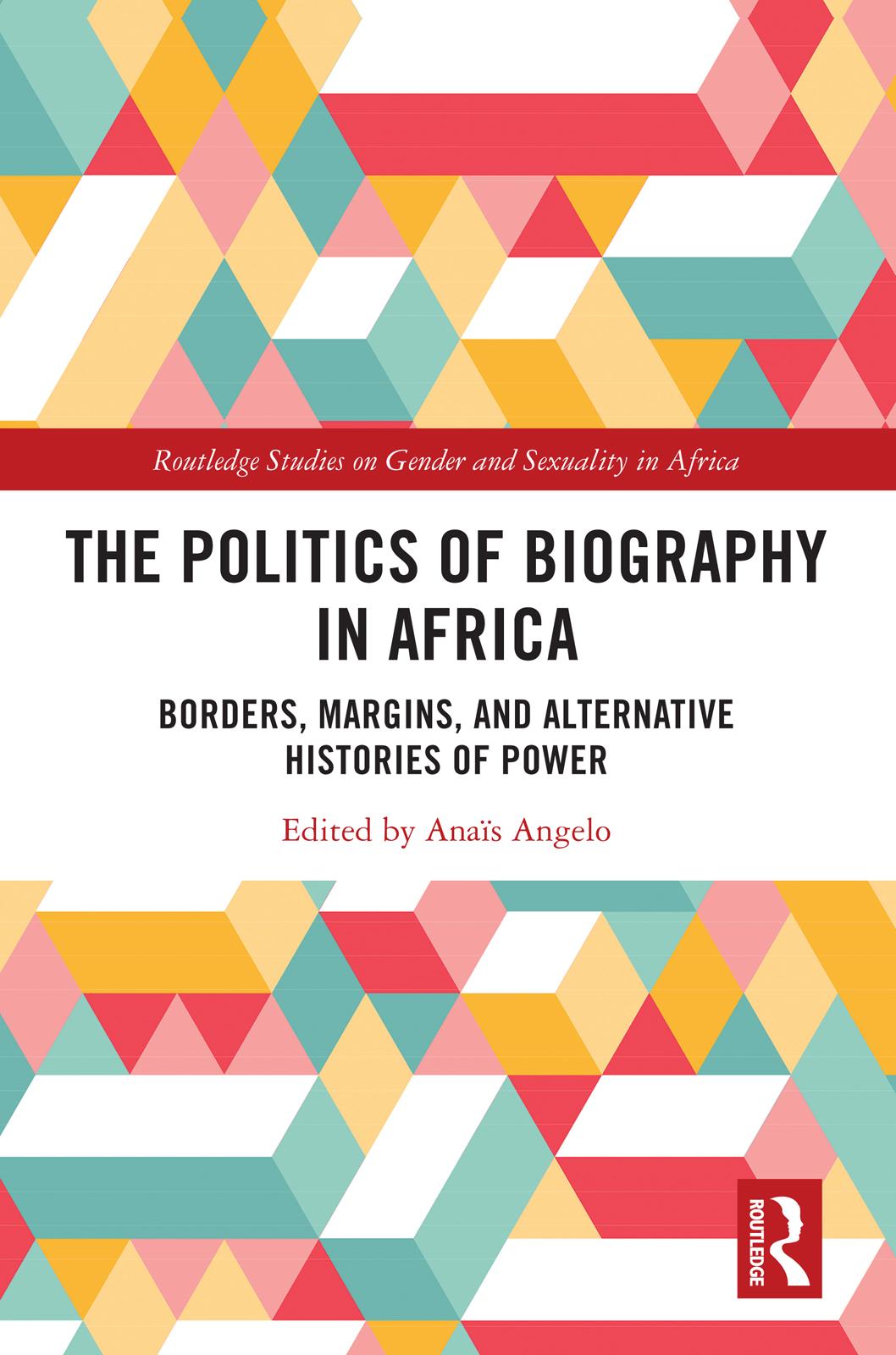
Bringing together historians, political scientists, and literary analysts, this volume shows how biographical narratives can shed light on alternative, little known or under-researched aspects of state power in African politics.
Part 1 shows how biographical narratives breathe new life into subjects who, upon decolonization, had been reduced to silence - women, workers, and radical politicians. The contributors analyze the complex relationship between biographical narratives and power, questioning either the power of biographical codes peculiar to western, colonial origins, or the power to shape public memory. Part 2 reflects on the act of (auto-)biography writing as an exercise of power, one that blurs the lines between truth and invention. (Auto-)biographical narratives appear as politicized, ambiguous stories. Part 3 focuses on female leadership during and after colonization, exploring on how women gained, lost, or reinvented "power". Brought together, the contributions of this volume show that the function of biographical narratives should no longer oscillate between romanticized narratives and historical evidence; their varied formats all offer fruitful opportunities for a multidisciplinary dialogue.
This book will be of interest to scholars from various disciplinary backgrounds working on the African postcolonial state, the decolonization process, women’s and gender studies, and biography writing.
Betaal eenvoudig met kaart, Klarna, Apple Pay of Google Pay. Niet tevreden? Je hebt altijd 14 dagen bedenktijd. Lees meer in onze voorwaarden. Heb je vragen, mail ons dan via hello@memmo.org.
Memmo maakt studeren makkelijker – waar je ook bent ter wereld. Wij brengen je cursusboeken en slimme studietools samen op één plek: samenvattingen, quizzen, podcasts en flashcards. En Ted, je studievriend die antwoord geeft op alles wat je je afvraagt. Meer dan 50.000 studenten studeren hier al – gebouwd om je sneller te laten leren en minder stress te geven.