
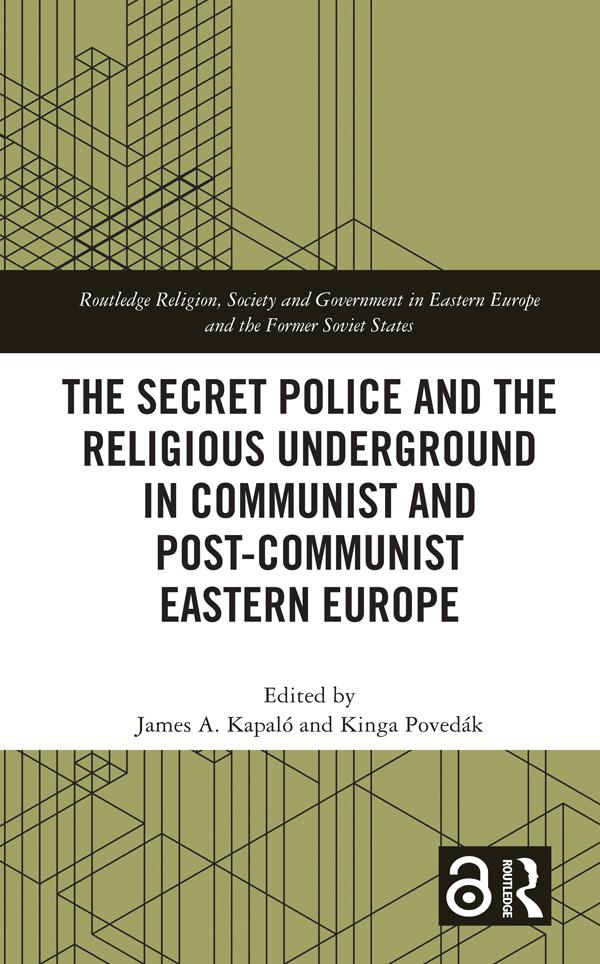
This book addresses the complex intersection of secret police operations and the formation of the religious underground in communist-era Eastern Europe. It discusses how religious groups were perceived as dangerous to the totalitarian state whilst also being extremely vulnerable and yet at the same time very resourceful. It explores how this particular dynamic created the concept of the "religious underground" and produced an extremely rich secret police archival record. In a series of studies from across the region, the book explores the historical and legal context of secret police entanglement with religious groups, presents case studies on particular anti-religious operations and groups, offers methodological approaches to the secret police materials for the study of religions, and engages in contemporary ethical and political debates on the legacy and meaning of the archives in post-communism.
Betaal eenvoudig met kaart, Klarna, Apple Pay of Google Pay. Niet tevreden? Je hebt altijd 14 dagen bedenktijd. Lees meer in onze voorwaarden. Heb je vragen, mail ons dan via hello@memmo.org.
Memmo maakt studeren makkelijker – waar je ook bent ter wereld. Wij brengen je cursusboeken en slimme studietools samen op één plek: samenvattingen, quizzen, podcasts en flashcards. En Ted, je studievriend die antwoord geeft op alles wat je je afvraagt. Meer dan 50.000 studenten studeren hier al – gebouwd om je sneller te laten leren en minder stress te geven.