
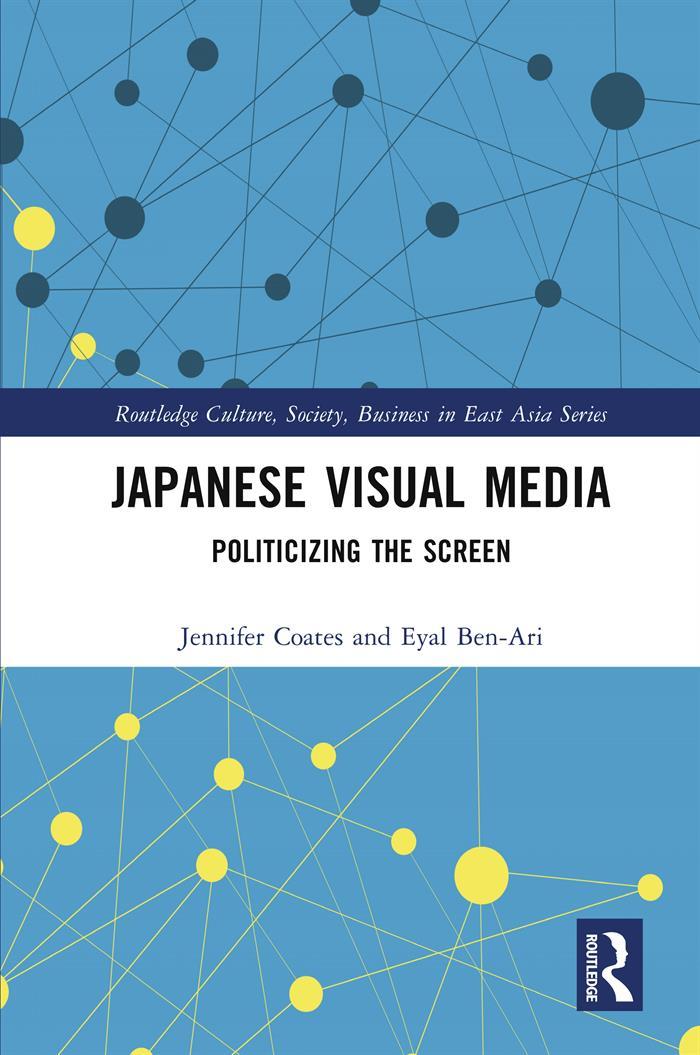
This book uncovers and explains the ways by which politics is naturalized and denaturalized, and familiarized and de-familiarized through popular media. It explores the tensions between state actors such as censors, politicized and nonpoliticized audiences, and visual media creators, at various points in the history of Japanese visual media. It offers new research on a wide array of visual media texts including classical narrative cinema, television, documentary film, manga, and animated film. It spans the militarized decades of the 1930s and 1940s, through the Asia Pacific War into the present day, and demonstrates how processes of politicization and depoliticization should be understood as part of wider historical developments including Japan’s postwar devastation and poverty, subsequent rapid modernization and urbanization, and the aging population and economic struggles of the twenty-first century.
Betaal eenvoudig met kaart, Klarna, Apple Pay of Google Pay. Niet tevreden? Je hebt altijd 14 dagen bedenktijd. Lees meer in onze voorwaarden. Heb je vragen, mail ons dan via hello@memmo.org.
Memmo maakt studeren makkelijker – waar je ook bent ter wereld. Wij brengen je cursusboeken en slimme studietools samen op één plek: samenvattingen, quizzen, podcasts en flashcards. En Ted, je studievriend die antwoord geeft op alles wat je je afvraagt. Meer dan 50.000 studenten studeren hier al – gebouwd om je sneller te laten leren en minder stress te geven.