
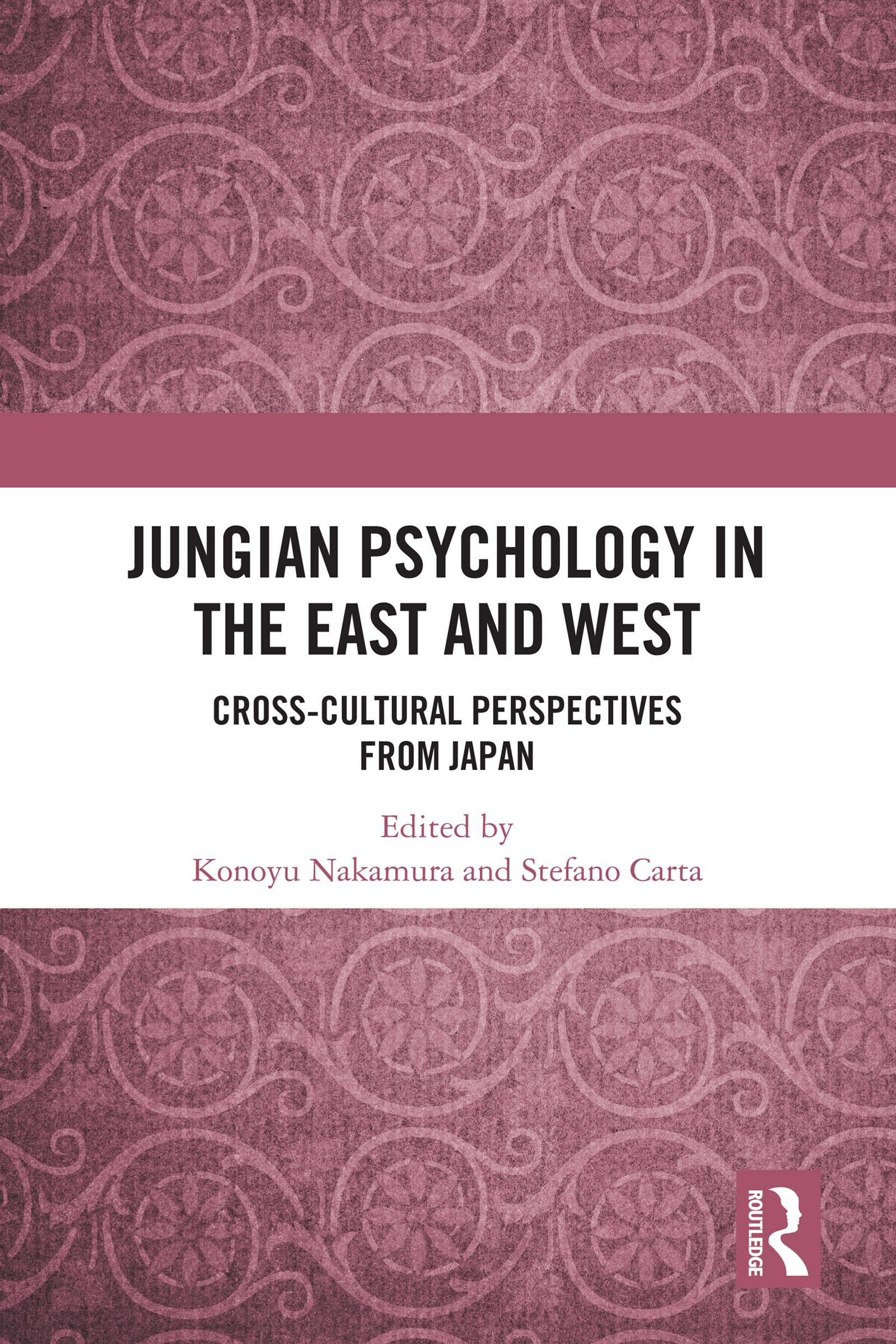
It is well known that Jung’s investigation of Eastern religions and cultures supplied him with an abundance of cross-cultural comparative material, useful to support his hypotheses of the existence of archetypes, the collective unconscious and other manifestations of psychic reality. However, the specific literature dealing with this aspect has previously been quite scarce. This unique edited collection brings together contributors writing on a range of topics that represent an introduction to the differences between Eastern and Western approaches to Jungian psychology.
Readers will discover that one interesting feature of this book is the realization of how much Western Jungians are implicitly or explicitly inspired by Eastern traditions – including Japanese – and, at the same time, how Jungian psychology – the product of a Western author – has been widely accepted and developed by Japanese scholars and clinicians.
Scholars and students of Jungian studies will find many new ideas, theories and practices gravitating around Jungian psychology, generated by the encounter between East and West. Another feature that will be appealing to many readers is that this book may represent an introduction to Japanese philosophy and clinical techniques related to Jungian psychology.
Betaal eenvoudig met kaart, Klarna, Apple Pay of Google Pay. Niet tevreden? Je hebt altijd 14 dagen bedenktijd. Lees meer in onze voorwaarden. Heb je vragen, mail ons dan via hello@memmo.org.
Memmo maakt studeren makkelijker – waar je ook bent ter wereld. Wij brengen je cursusboeken en slimme studietools samen op één plek: samenvattingen, quizzen, podcasts en flashcards. En Ted, je studievriend die antwoord geeft op alles wat je je afvraagt. Meer dan 50.000 studenten studeren hier al – gebouwd om je sneller te laten leren en minder stress te geven.