
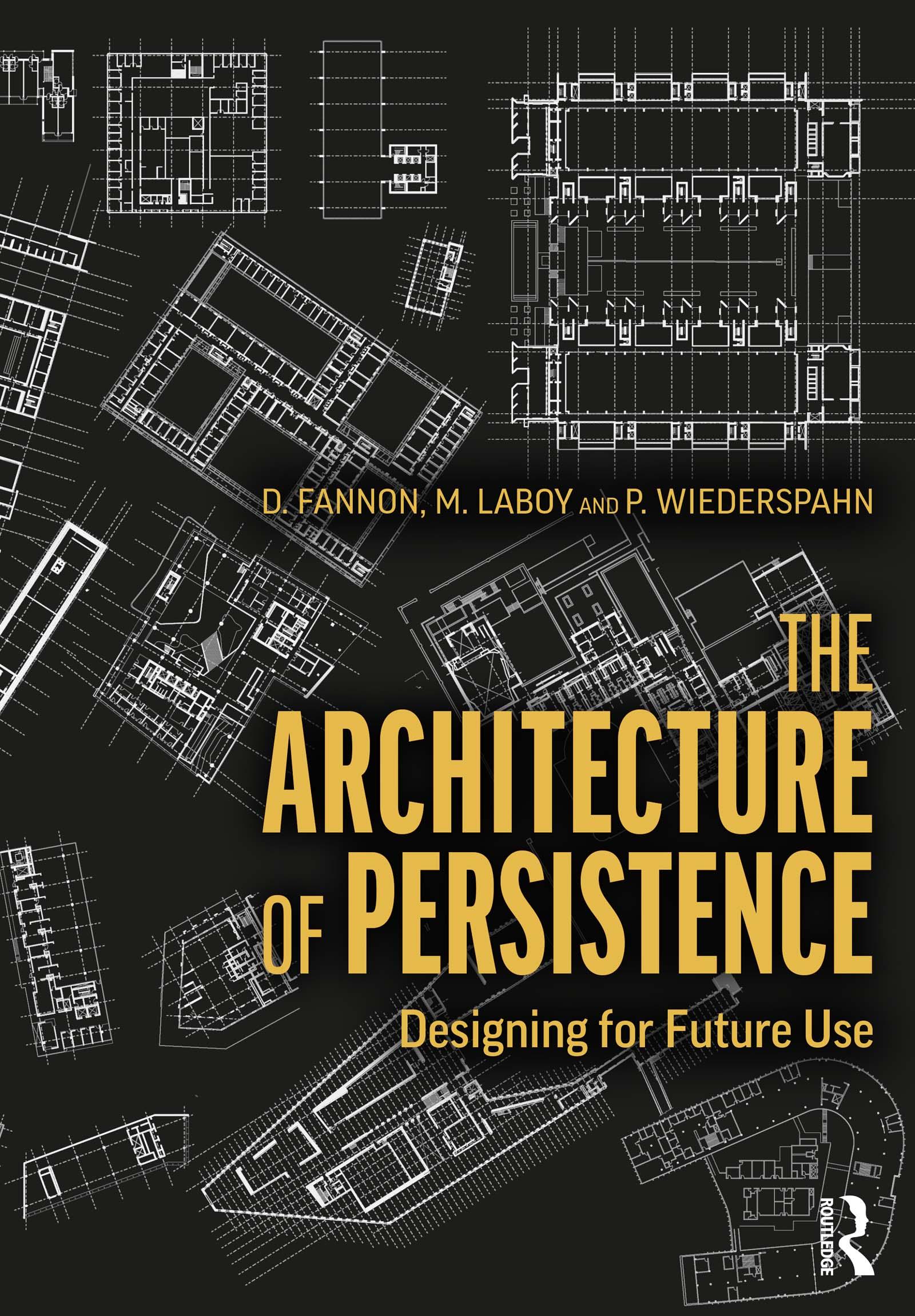
The Architecture of Persistence argues that continued human use is the ultimate measure of sustainability in architecture, and that expanding the discourse about adaptability to include continuity as well as change offers the architectural manifestation of resilience. Why do some buildings last for generations as beloved and useful places, while others do not? How can designers today create buildings that remain useful into the future? While architects and theorists have offered a wide range of ideas about building for change, this book focuses on persistent architecture: the material, spatial, and cultural processes that give rise to long-lived buildings.
Organized in three parts, this book examines material longevity in the face of constant physical and cultural change, connects the dimensions of human use and contemporary program, and discusses how time informs the design process. Featuring dozens of interviews with people who design and use buildings, and a close analysis of over a hundred historic and contemporary projects, the principles of persistent architecture introduced here address urgent challenges for contemporary practice while pointing towards a more sustainable built environment in the future.
The Architecture of Persistence: Designing for Future Use offers practitioners, students, and scholars a set of principles and illustrative precedents exploring architecture’s unique ability to connect an instructive past, a useful present, and an unknown future.
Betaal eenvoudig met kaart, Klarna, Apple Pay of Google Pay. Niet tevreden? Je hebt altijd 14 dagen bedenktijd. Lees meer in onze voorwaarden. Heb je vragen, mail ons dan via hello@memmo.org.
Memmo maakt studeren makkelijker – waar je ook bent ter wereld. Wij brengen je cursusboeken en slimme studietools samen op één plek: samenvattingen, quizzen, podcasts en flashcards. En Ted, je studievriend die antwoord geeft op alles wat je je afvraagt. Meer dan 50.000 studenten studeren hier al – gebouwd om je sneller te laten leren en minder stress te geven.