
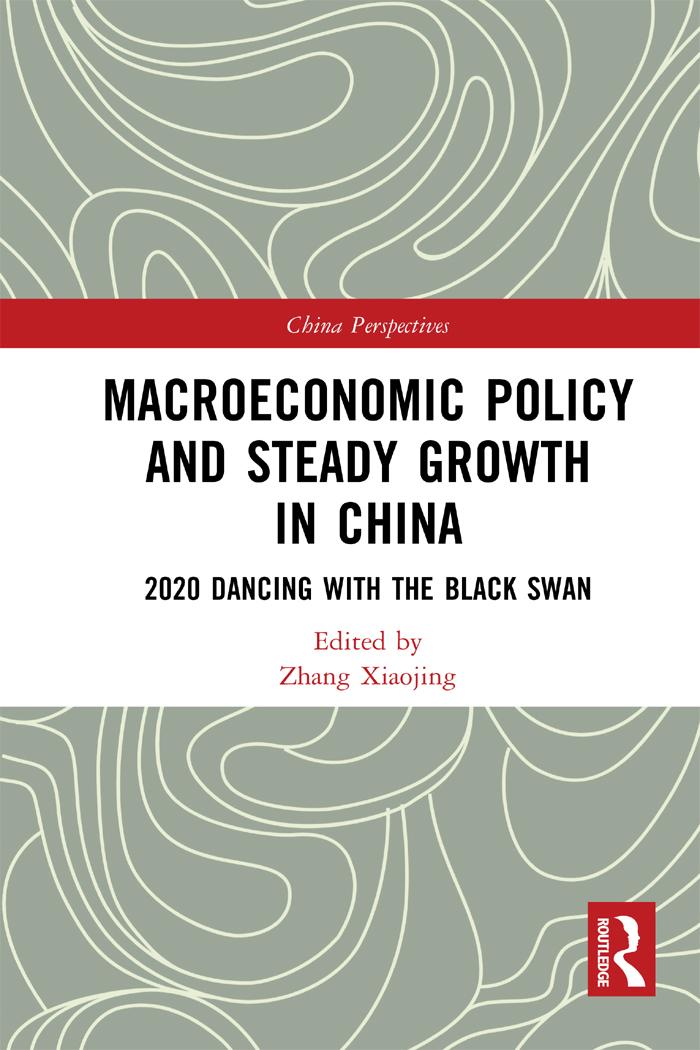
Since the appearance of macroeconomics in the 1940s, economists have created many theoretical frameworks to explain the origin and mechanism of economic fluctuations. However, few of these have managed to gain explanatory power over reality; nor can they solve real-life problems. This book proposes a new macroeconomic paradigm that makes breakthroughs in these areas.
Based on a balance sheet approach and macro-financial linkage analysis, this book carries out a comprehensive analysis of the trends within China’s macroeconomy in 2020. The author argues that the COVID-19 pandemic created a great degree of uncertainty—therefore, supply-side structural reform and improved total factor productivity have been promoted to ensure a policy of steady growth. Given the declining economic growth rate in percentage terms, China has needed to adapt to a moderate increase in the leverage ratio while applying more effective fiscal policies to achieve a dynamic balance between stable growth and risk prevention.
Scholars and students of economics and finance, especially Chinese economics, will find this book a useful reference.
Betaal eenvoudig met kaart, Klarna, Apple Pay of Google Pay. Niet tevreden? Je hebt altijd 14 dagen bedenktijd. Lees meer in onze voorwaarden. Heb je vragen, mail ons dan via hello@memmo.org.
Memmo maakt studeren makkelijker – waar je ook bent ter wereld. Wij brengen je cursusboeken en slimme studietools samen op één plek: samenvattingen, quizzen, podcasts en flashcards. En Ted, je studievriend die antwoord geeft op alles wat je je afvraagt. Meer dan 50.000 studenten studeren hier al – gebouwd om je sneller te laten leren en minder stress te geven.