
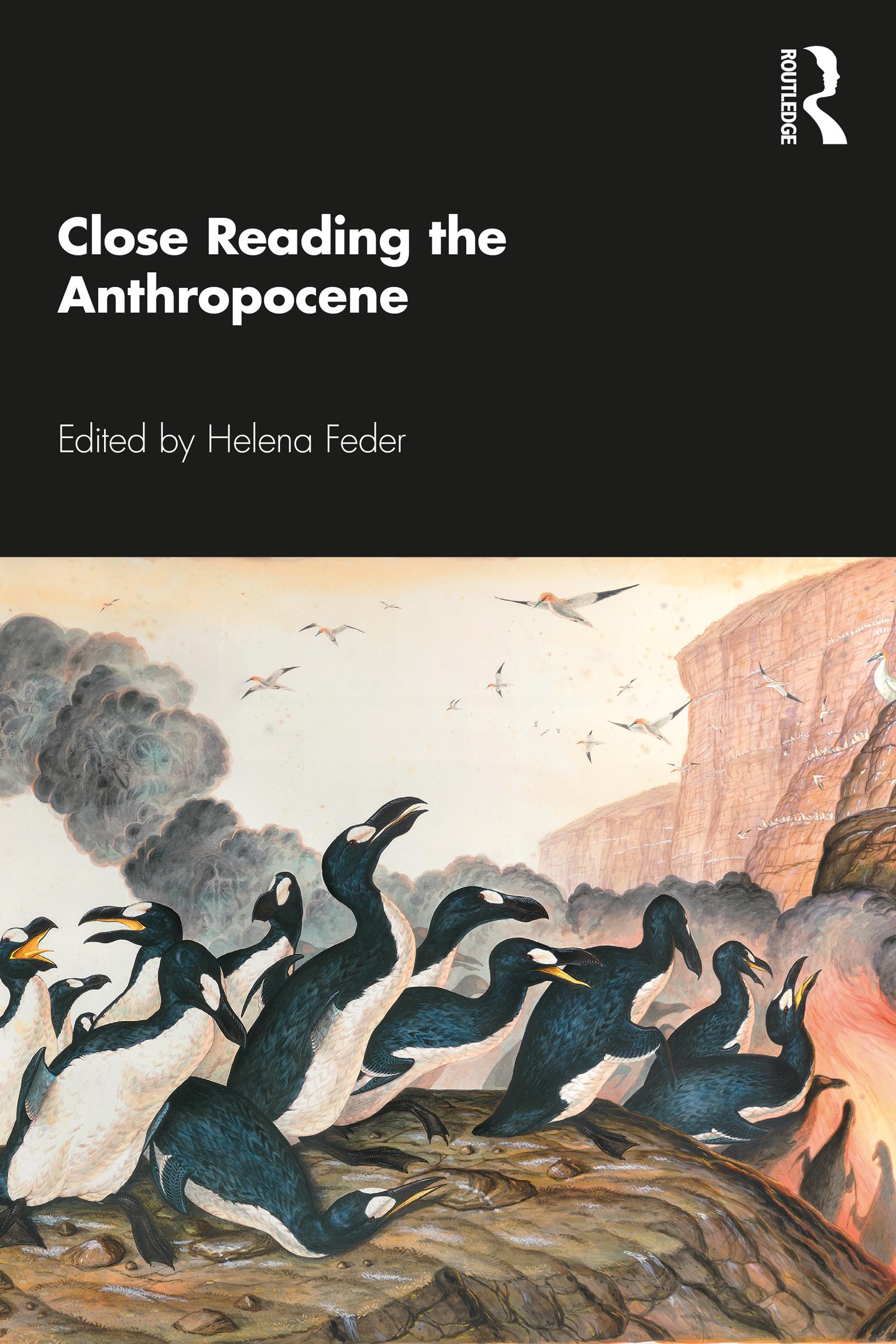
Reading poetry and prose, images and art, literary and critical theory, science and cultural studies, Close Reading the Anthropocene explores the question of meaning, its importance and immanent potential for loss, in the new geological epoch of the Anthropocene. Both close reading and scientific ecology prioritize slowing down and looking around to apprehend similarities and differences, to recognize and value interconnections. Here "close" suggests careful attention to both the reading subject and read "object." Moving between places, rocks, plants, animals, atmosphere, and eclipses, this interdisciplinary edited collection grounds the complex relations between text and world in the environmental humanities.
The volume’s wide-ranging chapters are critical, often polemical, engagements with the question of the Anthropocene and the changing conversation around reading, interpretation, and textuality. They exemplify a range of work from across the globe and will be of great interest to scholars and students of the environmental humanities, ecocriticism, and literary studies.
Betaal eenvoudig met kaart, Klarna, Apple Pay of Google Pay. Niet tevreden? Je hebt altijd 14 dagen bedenktijd. Lees meer in onze voorwaarden. Heb je vragen, mail ons dan via hello@memmo.org.
Memmo maakt studeren makkelijker – waar je ook bent ter wereld. Wij brengen je cursusboeken en slimme studietools samen op één plek: samenvattingen, quizzen, podcasts en flashcards. En Ted, je studievriend die antwoord geeft op alles wat je je afvraagt. Meer dan 50.000 studenten studeren hier al – gebouwd om je sneller te laten leren en minder stress te geven.