
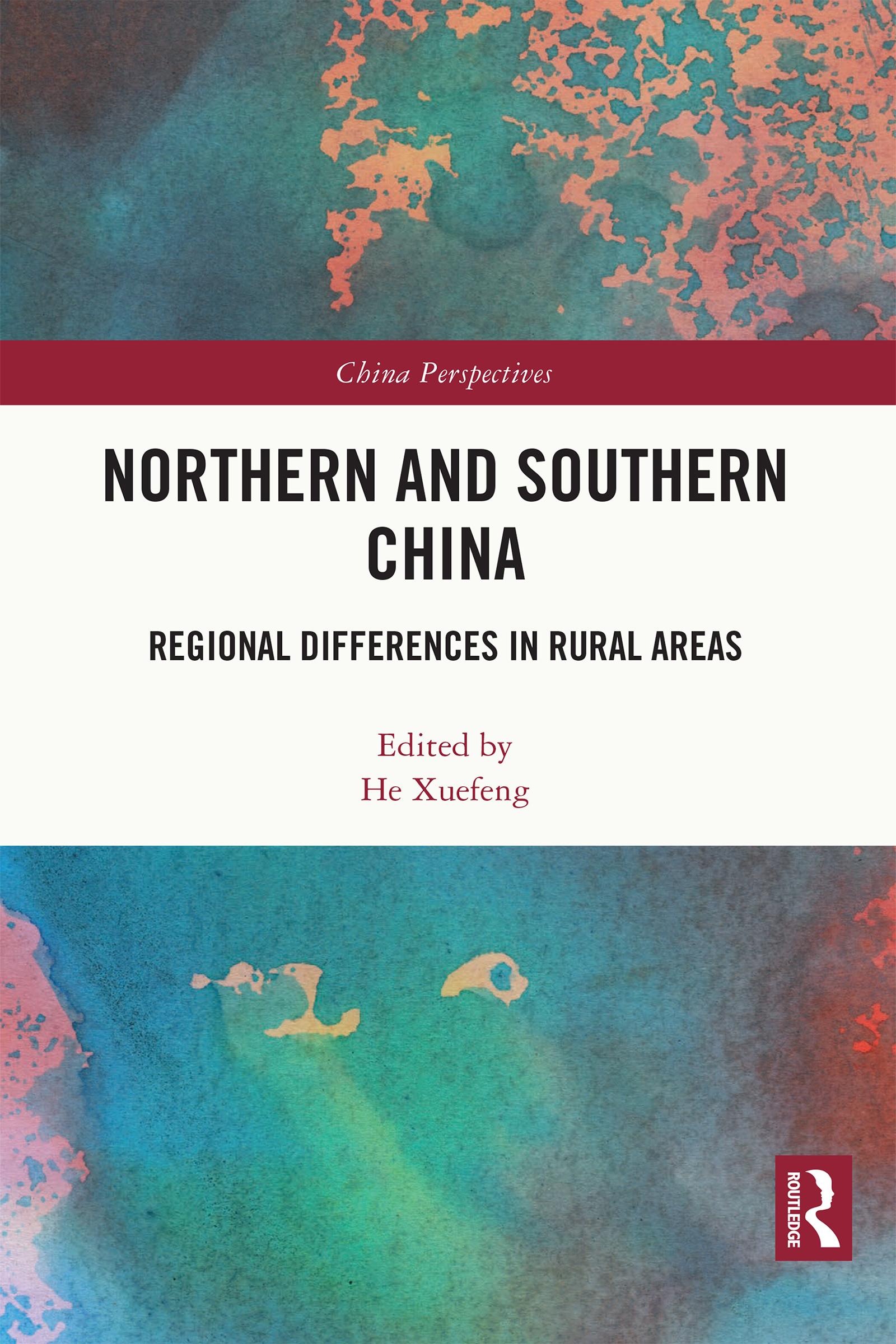
This edited volume examines regional differences in social structure in rural China and elaborates the characteristics, reasons and practical implications to policymaking.
In contrast to many existing studies, the book spotlights regional disparities that stem from the varied social compositions of villages and their social relations in rural areas of Northern, Central and Southern China. Three types of rural community structures, ranging from the north to the south of China, are identified, including the segmented village comprised of kinship groups with a high degree of atomization, and the united village resting on a patrilineage-based organization. The editor draws on middle-range theory, organically combining a theoretical framework of the regional variations with empirical studies based on years of fieldwork in rural China. This approach is used throughout the book to analyze topics in four aspects: family relations, social interactions, other notable social issues and rural governance.
The volume will appeal to scholars and students of sociology and Chinese studies, as well as general readers interested in rural Chinese society.
Betaal eenvoudig met kaart, Klarna, Apple Pay of Google Pay. Niet tevreden? Je hebt altijd 14 dagen bedenktijd. Lees meer in onze voorwaarden. Heb je vragen, mail ons dan via hello@memmo.org.
Memmo maakt studeren makkelijker – waar je ook bent ter wereld. Wij brengen je cursusboeken en slimme studietools samen op één plek: samenvattingen, quizzen, podcasts en flashcards. En Ted, je studievriend die antwoord geeft op alles wat je je afvraagt. Meer dan 50.000 studenten studeren hier al – gebouwd om je sneller te laten leren en minder stress te geven.