
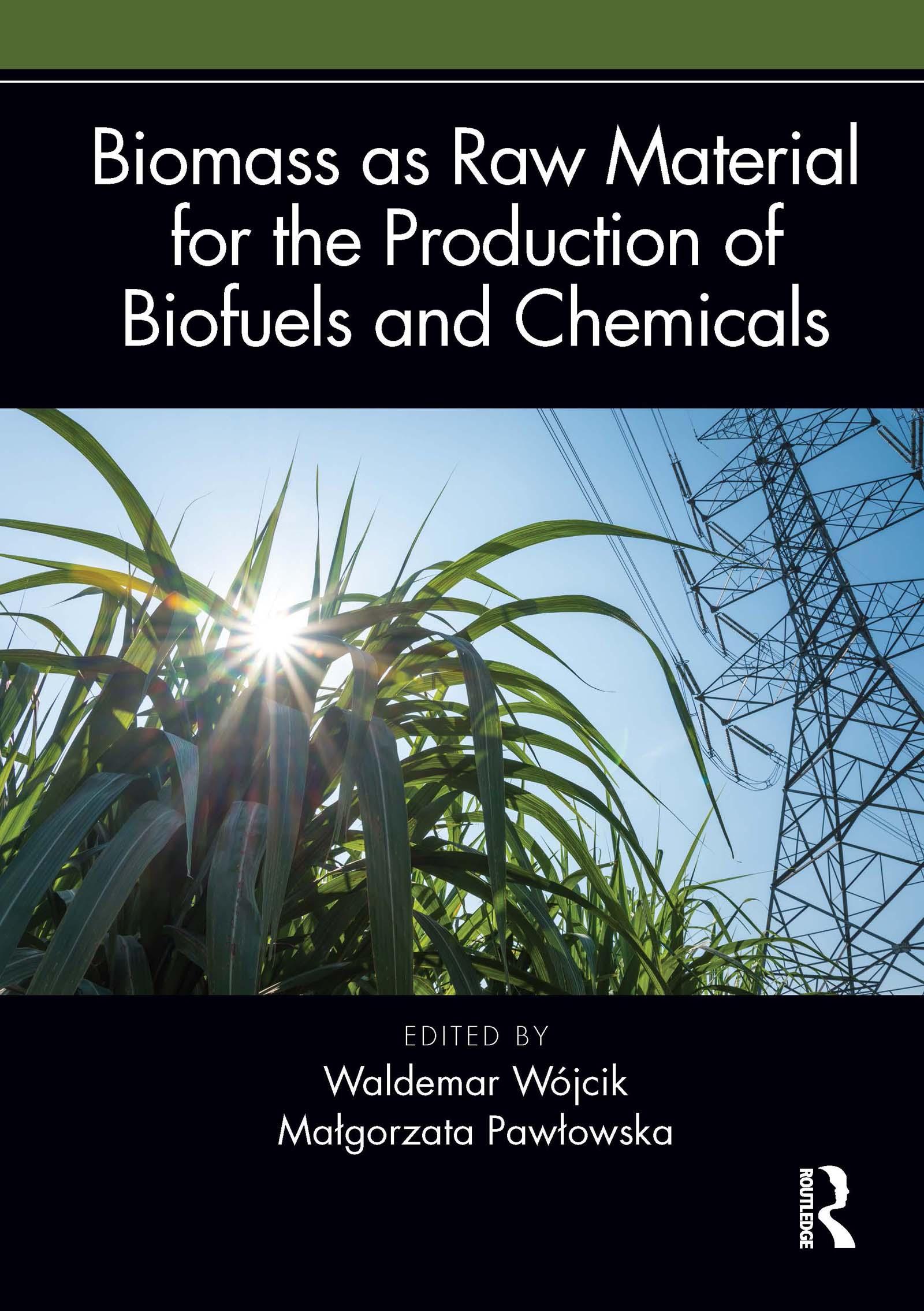
For the power industry, biomass is just a modern name for the ancient material of plant origin that was converted into energy in the simple technology of burning. This book discusses biomass as a raw material for the production of liquid or gaseous biofuels and valuable chemicals. Such biomass processing should be beneficial from both economic and environmental points of view. Classic technologies of biogas production are still being improved, but they always generate waste that differs in terms of chemical parameters, depending on the feedstock digested. These parameters dictate the manner of their final managing. Various biotechnologies allow the use of the biomass of hydrobionts, such as cyanobacteria as a raw substance for obtaining different products, e.g. hyaluronic acid, biopolymers, fertilizers, or even drugs. Animal fats or algae can be used to produce biodiesel which in turn is used in environmentally friendly urban transport. Even municipal solid waste can be a source of useful biomass. The authors show how its volume and composition can be predicted, by which form of processing it can be converted into valuable products, as well as in which ways its negative environmental impact can be limited.
Betaal eenvoudig met kaart, Klarna, Apple Pay of Google Pay. Niet tevreden? Je hebt altijd 14 dagen bedenktijd. Lees meer in onze voorwaarden. Heb je vragen, mail ons dan via hello@memmo.org.
Memmo maakt studeren makkelijker – waar je ook bent ter wereld. Wij brengen je cursusboeken en slimme studietools samen op één plek: samenvattingen, quizzen, podcasts en flashcards. En Ted, je studievriend die antwoord geeft op alles wat je je afvraagt. Meer dan 50.000 studenten studeren hier al – gebouwd om je sneller te laten leren en minder stress te geven.
Misschien vind je dit ook leuk
Koop het boek0